Afrasiab isn’t just a quiet hill on the edge of Samarkand—it’s where the pulse of one of Central Asia’s oldest cities once beat strongest. Today, the wind sweeps dust across its empty slopes, and the few visitors who wander among the ruins try to imagine what this place looked like when its name carried weight from China to the Mediterranean. Afrasiab is an archaeological site, but more than that, it’s a witness to history that began long before Samarkand became legendary.
The city that once stood here was called Marakanda, founded sometime between the 7th and 6th centuries BCE, though some evidence suggests people lived here even earlier. It was a key stop on the Silk Road, a place where merchants, diplomats, and conquerors crossed paths. Alexander the Great’s armies passed through, Sogdian kings ruled here, and later, the city became part of the Samanid Empire. By the 10th century, Marakanda was destroyed during a nomadic invasion, and a new Samarkand rose in its place, shifting to the other side of the Siab River while inheriting the old city’s fame.
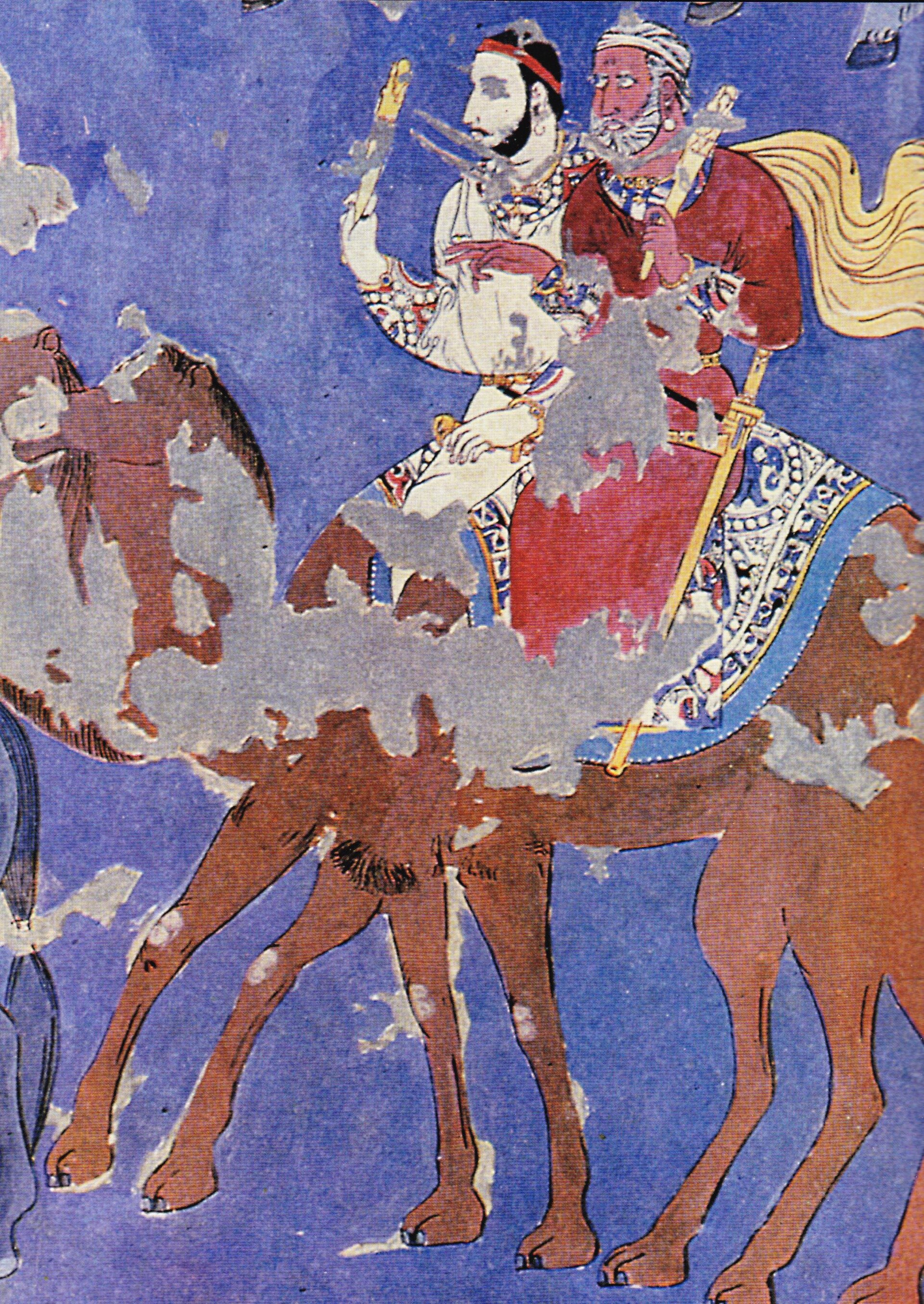
Now, Afrasiab is a sprawling mound covering about two square kilometers, crisscrossed by trenches and excavation pits. Archaeologists have been working here since the late 19th century, and each layer of earth reveals fragments of the past—remnants of fortress walls, residential quarters, workshops, and even an ancient water supply system. Among the most remarkable finds are the frescoes discovered in one of the palaces, vivid scenes of processions, feasts, and hunts that offer a glimpse into the lives of Sogdian nobility in the 7th and 8th centuries. The originals are now in a museum, but copies remain at the site, preserving the unique style of the era.
Walking through Afrasiab feels like stepping back in time. There are no grand palaces or towering mosques here, just the quiet weight of history in every stone and shard of pottery. You can wander the remnants of old streets, imagining the bustle of a marketplace, the murmur of different languages, the haggling of traders from distant lands. In some places, traces of fires and destruction remain—a reminder that this city’s story was far from peaceful.
One of the most intriguing spots on Afrasiab is the mausoleum of the prophet Daniel, known locally as Daniylar. The modest building houses a long sarcophagus said to contain the remains of the biblical figure. According to legend, Amir Timur brought the relics here from Iran to protect his capital. Today, pilgrims and visitors come to the mausoleum, and some believe the water from a nearby spring has healing properties.
Afrasiab isn’t just about the past—it’s also a place where modern Samarkand comes into view. From the hill, you can see the domes of mosques, the minarets of madrasas, and the green gardens along the river. On clear days, the Zaravshan Mountains rise in the distance, the same natural barrier that once shielded the city. Standing here, at the crossroads of time, you can feel how history and everyday life intertwine. Locals sometimes come to sit on the grass, watch the sunset, or chat, as if Afrasiab is still part of their world.
Visiting Afrasiab isn’t like a typical tourist stop. There are no crowds, no loud guides, no flashy signs. It’s a place for those who want to listen to the silence and try to hear the echoes of what once was. The best times to come are early morning, when the sun first lights up the hill, or late afternoon, when the shadows stretch long and the air cools. In those moments, Afrasiab stops being just an open-air museum—it becomes a living witness to centuries that have passed but left their mark behind.
For those fascinated by history, Afrasiab offers a chance to touch the roots of one of Central Asia’s greatest civilizations. Here, you can see how borders shifted, cultures blended, and empires rose and fell. But even if history isn’t your main interest, the site is still worth a visit. Because Afrasiab isn’t just about what was—it’s about how fragile and enduring human legacy can be. Among the dust and stones, you can almost feel the breath of time itself.