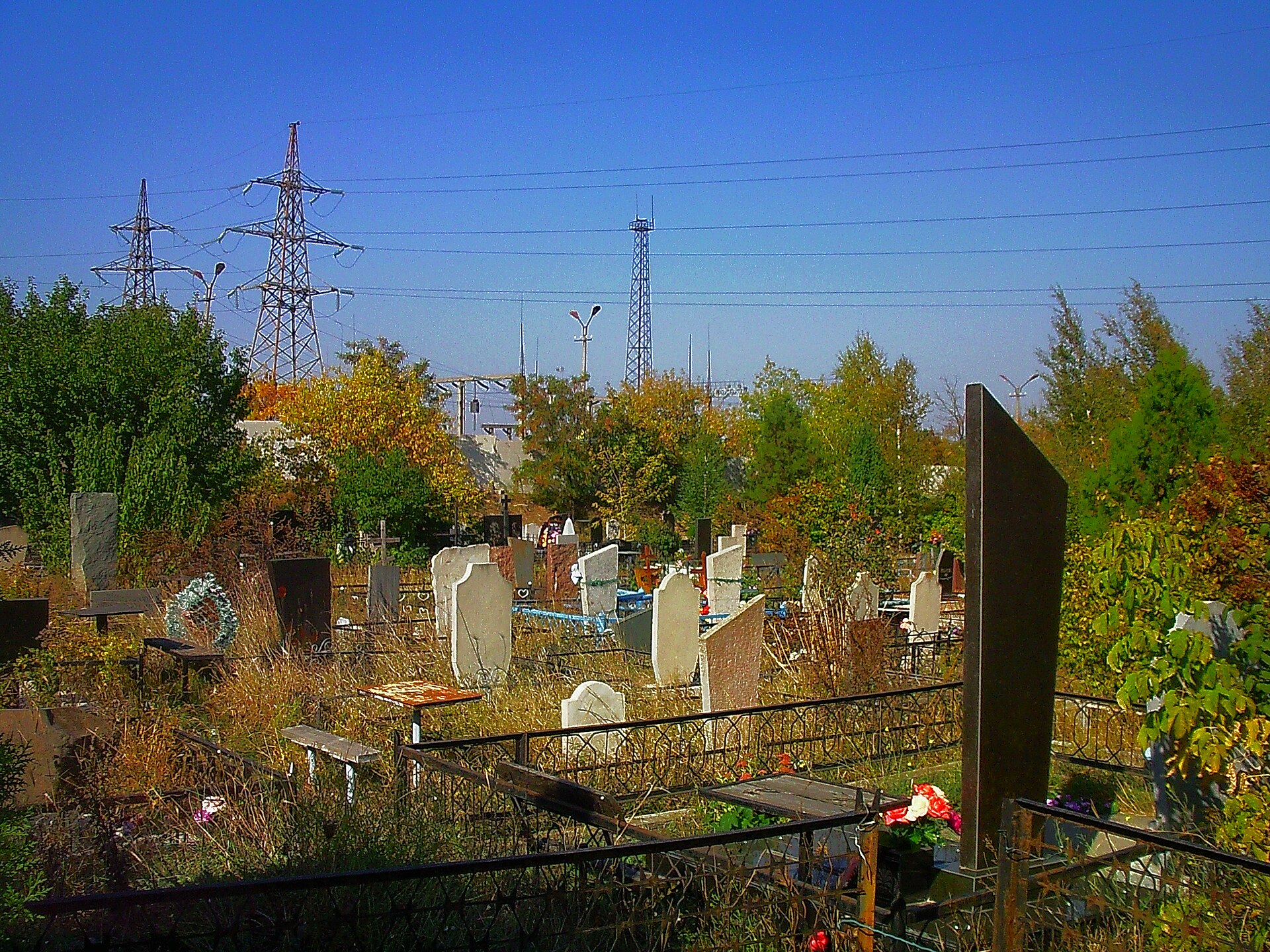
Abdal is one of Simferopol’s most unassuming neighborhoods, a place where the city’s everyday rhythm unfolds far from tourist maps. Tucked away on the outskirts, it offers a glimpse of life as it’s actually lived—slower, quieter, and more personal than the polished facades of central streets. Here, people still greet each other by name, and the past lingers in the cracks of weathered walls rather than in grand monuments. It’s not a place you visit for landmarks, but for the chance to see how the city breathes when no one’s watching.
The story of Abdal begins in the mid-19th century, when migrants from across Crimea and Russia settled here in search of work. Artisans, small traders, and farmers built their lives around practicality, not grandeur. The name itself likely comes from a Turkic word meaning "outskirts" or "suburb," and that’s exactly what it was—a working-class district where homes and workshops grew side by side. By the early 20th century, the area hummed with industry: tanneries, soap factories, and mills supplied the city with goods, while narrow streets wound between modest houses. The factories are mostly gone now, but their empty shells still stand among the homes, a quiet reminder of the neighborhood’s laboring past.
The architecture here is unpretentious, shaped by necessity rather than design. Most buildings are one or two stories tall, built from local stone or brick, with small windows and even smaller courtyards. Some retain traces of late provincial classicism or Art Nouveau, though time has softened their edges. Soviet-era apartment blocks rise here and there, their balconies still occupied by families who’ve lived in the neighborhood for generations. The streets twist and turn, following the contours of the hills that slope down toward the Salgir River. There are no grand boulevards—just houses arranged wherever the land allowed, creating a maze of alleys that feel more like a village than part of a city.
For much of its history, Abdal was defined by its workshops and factories. In the early 1900s, the air smelled of leather and soap, and the clatter of machinery mixed with the voices of workers. Later, food processing plants took over, producing bread and preserves for the city. Many of those factories have since closed, their buildings repurposed as auto repair shops or storage spaces. Yet the neighborhood hasn’t lost its working-class character. The same streets that once echoed with the sounds of industry now host corner stores, barbershops, and pharmacies, all serving the same tight-knit community.
Today, Abdal moves at its own pace. There are no trendy cafes or souvenir stalls, just the quiet routines of daily life. In the mornings, children hurry to school; in the evenings, elderly residents gather on benches outside their homes. Summers bring the scent of blooming cherry and apricot trees, while autumn fills the air with woodsmoke from burning leaves. Winters are gentle here, with snow dusting the rooftops and turning the narrow streets into winding paths. It’s a place where time feels slower, where the past isn’t preserved in museums but in the stories of the people who still live here.
What makes Abdal special is its authenticity. There are no grand historical sites or curated exhibits—just the lived-in details that tell the real story of the city. A peeling sign on a shuttered workshop, a courtyard where neighbors share homemade jam, the way the light slants across a crumbling factory wall at dusk. The neighborhood doesn’t try to impress visitors, and that’s precisely why it feels so genuine. For those who venture here, it offers a rare chance to see Simferopol as it truly is, not as a postcard but as a place where people have built their lives, one generation after another.
The area is also a quiet testament to Crimea’s cultural diversity. Russians, Ukrainians, Crimean Tatars, and Armenians have all left their mark here, shaping the neighborhood’s character in small but meaningful ways. Mosques and Orthodox churches stand within walking distance of each other, and the local market buzzes with a mix of languages. This isn’t the kind of diversity you find in tourist brochures—it’s the everyday kind, where traditions blend over shared meals and neighbors help each other with repairs or harvests. The result is a place where identity isn’t performed for outsiders but lived naturally, without fanfare.
For travelers who’ve grown tired of crowded attractions and polished facades, Abdal can be a revelation. There are no luxury hotels or fine-dining restaurants, just the quiet hum of a neighborhood that has always existed on its own terms. Walking its streets, you might stumble upon a hidden courtyard where old men play dominoes, or a half-forgotten alley lined with fruit trees. It’s the kind of place that doesn’t reveal itself all at once but rewards those who take the time to look. In a region often seen through the lens of tourism, Abdal offers something far more valuable: a chance to see Crimea not as a destination, but as a home.