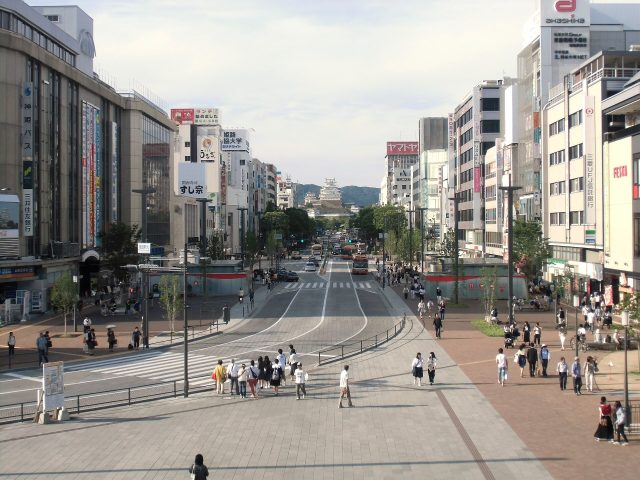
Zugló
Hungary · 8 places
Photo: Kővári Elvira, CC BY-SA 3.0
Zugló is the kind of Budapest neighborhood that doesn’t announce itself with grand landmarks or tourist crowds, yet it’s where the city’s everyday rhythm feels most alive. Tucked away on the eastern bank of the Danube, it sits quietly between the bustling downtown, the upscale districts, and the industrial outskirts. There are no souvenir stands or selfie sticks here—just narrow streets lined with low-rise houses, corner cafés where the scent of fresh pastries drifts onto the sidewalk in the mornings, and parks where locals walk their dogs or push strollers. Zugló is Budapest without the polish, but that’s precisely what makes it worth exploring.
The area’s story is woven into the city’s 19th-century transformation, when Budapest was becoming one of Europe’s most dynamic capitals. Back then, Zugló was on the fringes, a place where factory workers and craftsmen settled as the city expanded. Some of that industrial past lingers in the old brick buildings, a few of which have been repurposed into lofts, offices, or cultural spaces. But the neighborhood hasn’t lost its old-world charm—many streets still feature the ornate facades typical of Hungarian architecture, with stucco details and wrought-iron balconies that hint at a slower, more deliberate way of life.
At the heart of Zugló is its main square, a place that moves at its own unhurried pace. The centerpiece is the Church of St. Ladislaus, a sturdy neo-Romanesque structure built in the early 20th century, its towers looming over the square. On weekdays, it feels more like a neighborhood gathering spot than a monument—pensioners play chess under the trees, kids race their bikes along the paths, and a small market sets up in the mornings, selling everything from ripe tomatoes to local cheeses. There’s no rush here, just the quiet hum of daily life, the kind that invites you to sit on a bench and watch the world go by.
Zugló isn’t trying to be a tourist hotspot, and that’s exactly why it appeals to those who want to experience Budapest like a local. There are no luxury hotels, just cozy guesthouses and apartments where you can settle in for a few days and feel like part of the neighborhood. It’s well-connected—downtown is just a 20-minute metro or tram ride away—but the pace is different. In the summer, locals flock to Nagyerdő Park, one of the city’s greenest spaces, where shaded paths wind through trees and families spread out picnics on the grass. The park is a reminder that Zugló, despite its urban setting, still has room to breathe.
Wandering through Zugló’s streets can feel like getting lost in a maze, but that’s half the fun. Unlike the orderly grid of the city center, the neighborhood’s layout is organic, with each turn revealing something unexpected—a century-old pastry shop still baking traditional Hungarian sweets, a tiny bookstore with rare finds, or a courtyard where grapevines twist around a pergola. The area doesn’t cater to visitors; it simply exists as it always has, and that authenticity is its greatest draw. If you’ve had enough of the tourist trail and want to see Budapest as it really is, Zugló offers a glimpse of the city beyond the postcards.
Stay
0 placesNothing in this category yet — the catalogue is still growing.
All placesPlaces on the map
Marker colour follows the categoryClimate and weather
Detailed weather: Zugló- Average temperature
- 12 °C
- Precipitation per year
- 0 mm
Average air temperature
°C
1
3
7
12
17
21
22
23
17
12
6
2
Jan
Feb
Mar
Apr
May
Jun
Jul
Aug
Sep
Oct
Nov
Dec