Khotyn
Ukraine · 8 places
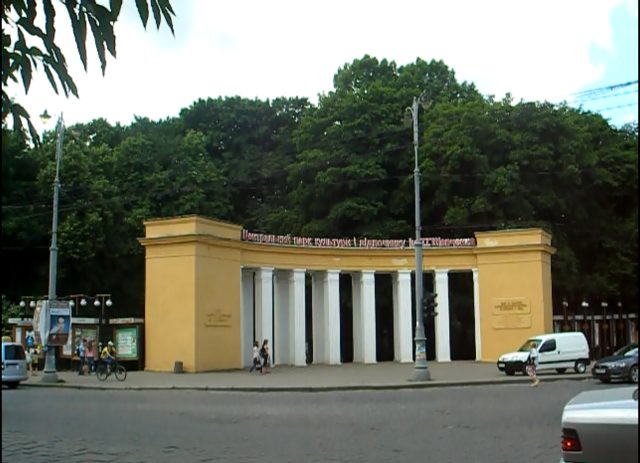
Photo: Rbrechko, CC BY-SA 4.0
Nestled along the banks of the Dniester River, Khotyn is a place where history lingers in the air like the scent of old stone. This small Ukrainian town sits on the border with Moldova, a location that has shaped its identity over centuries. Here, cultures have collided and coexisted, leaving behind a quiet but unmistakable imprint on the streets, the architecture, and even the way people speak. Khotyn has never been a bustling metropolis, nor does it aspire to be one. Instead, it offers something far more enduring—a chance to step into the past, to walk where generations before have walked, and to feel the weight of time in the silence between footsteps.
The heart of Khotyn is its fortress, one of the best-preserved medieval strongholds in Ukraine. Perched above the river, its thick walls and towering battlements command a sweeping view of the Dniester winding through the surrounding hills. The fortress has stood through countless conflicts, its stones bearing the marks of Moldavian princes, Polish kings, and Ottoman conquerors. Inside, the past feels almost tangible: damp casemates echo with the imagined footsteps of soldiers, deep wells hint at the ingenuity of survival, and narrow passageways twist like veins through the earth. In summer, the fortress comes alive with festivals and historical reenactments, the clash of swords and the blare of trumpets cutting through the stillness. For a few days, the past isn’t just remembered—it’s relived.
Yet Khotyn is more than just its fortress. The town itself carries the quiet charm of a place where time moves at its own pace. The central streets are lined with old houses, their wooden shutters carved with intricate patterns, their tiled roofs weathered by decades of sun and rain. The local market is a sensory delight—stalls overflow with fresh cheeses, golden honey, and bottles of wine from nearby villages. There’s no rush here, no urgency to fill the silence. Instead, conversations unfold slowly, often over a cup of strong coffee or a glass of homemade horilka. Locals speak of Khotyn not as a tourist destination, but as a living, breathing entity, a town that has seen empires rise and fall yet remains stubbornly itself.
The Dniester River is the town’s constant companion, its waters shaping the landscape and the rhythm of life. In summer, the riverbanks hum with activity—families picnic under the shade of willows, fishermen cast their lines into the slow-moving current, and small boats drift lazily downstream. Autumn transforms the scene, painting the hills in fiery hues of red and gold, while the air grows crisp and clear. Winter brings a different kind of beauty, the fortress dusted with snow like something out of a fairy tale, the town hushed beneath a blanket of white. Even in the quietest months, the river flows on, a reminder that some things endure.
Khotyn doesn’t try to impress. There are no neon lights, no crowded promenades, no souvenir shops peddling mass-produced trinkets. What it offers instead is something far rarer—a sense of stillness, a connection to history that feels personal rather than performative. This is a place for those who seek more than just sights to check off a list, for those who want to wander without a map, to sit by the river and listen to the water, to wonder about the countless lives that have passed through these streets. In Khotyn, time doesn’t just stand still; it invites you to step inside and stay awhile.
See & Do
All of them
Places on the map
Marker colour follows the categoryClimate and weather
Detailed weather: Khotyn- Average temperature
- 10 °C
- Precipitation per year
- 613 mm
- Sunshine hours per day
- 5.8 h
Average air temperature
°C
-1
1
5
11
15
20
21
21
16
10
4
1
Jan
Feb
Mar
Apr
May
Jun
Jul
Aug
Sep
Oct
Nov
Dec