- Home
- Philippines
- Kholo

Kholo
Philippines · 8 places
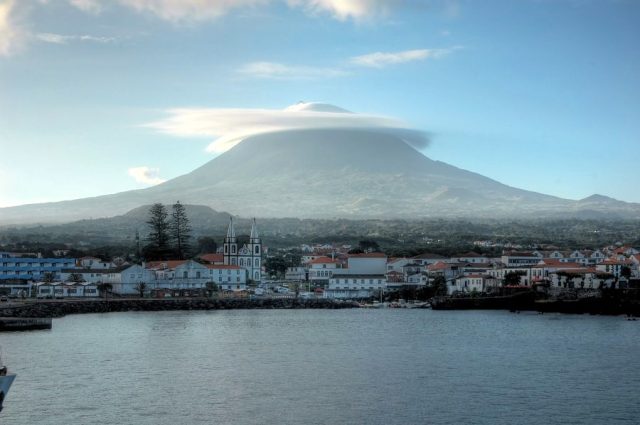
Photo: Agtillah, CC BY-SA 3.0
Jolo is one of those places that slips through the cracks of most travel itineraries, and that’s precisely what makes it so compelling. Tucked away on its namesake island in the Sulu Archipelago, it moves to a rhythm far removed from the frenetic pace of the Philippines’ bigger cities. There are no towering hotels or crowded promenades here—just quiet streets where time seems to slow, and locals greet visitors with an easy warmth that feels entirely unforced. As the administrative heart of Sulu Province, Jolo’s pulse isn’t set by tourism but by the steady hum of daily life: the clatter of market stalls, the creak of fishing boats returning at dawn, and the quiet persistence of traditions passed down through generations.
The city’s architecture tells a story of layered history. In the center, Spanish colonial buildings stand with their thick walls and weathered wooden balconies, remnants of a time when Catholic missionaries tried to leave their mark on this predominantly Muslim region. Yet just a stone’s throw away, mosques rise with slender minarets, their presence a reminder that Islam took root in Sulu long before the first Europeans arrived. The most striking of these is the Jami Mosque, one of the oldest in the Philippines, its white domes visible from afar. Walking through Jolo is like flipping through the pages of a history book where each neighborhood offers a different chapter—some peaceful, others marked by the tensions of a place that has seen more than its share of conflict.
The natural beauty surrounding Jolo is as rich as its cultural tapestry. The island is ringed by waters so clear they seem almost unreal, where coral reefs teem with life and stretches of powdery white sand remain untouched by development. Beyond the town, mangrove forests provide sanctuary for rare birds, while gentle hills offer sweeping views of the sea and the scattered islands beyond. Fishermen still set out in traditional vintas, their colorful sails dotting the horizon, and the local markets overflow with the day’s catch—tuna so fresh it melts in your mouth, strange and wonderful shellfish you won’t find anywhere else. The water stays warm year-round, and even during the rainy season, the sea retains a certain softness, as if inviting you to linger.
Life in Jolo unfolds at its own unhurried pace, and that slowness seeps into everything—the way people stroll down the street, the way festivals stretch on for days. During Eid, the city comes alive with prayer, laughter, and the sharing of food, while the rhythmic beats of the *kundang*, a traditional percussion instrument, fill the air during celebrations. The local cuisine is a revelation in itself: fiery seafood curries, coconut milk sweets so rich they border on decadent, and rice cakes cooked over open flames. There’s a sense here that visitors aren’t just passing through but are being folded, however briefly, into the fabric of daily life.
This isn’t a place for those who crave constant entertainment or the polished comforts of a resort town. Jolo has no luxury spas or neon-lit bars, no carefully curated experiences designed to keep tourists occupied. What it does have is authenticity—a chance to see the Philippines as it once was, before mass tourism reshaped so many of its corners. The city exists on its own terms, and that’s what makes it special. If you’ve grown weary of well-trodden paths and are looking for a place where time moves differently, Jolo waits. It’s quiet, it’s welcoming, and it’s full of surprises for those willing to step off the map.
Stay
0 placesNothing in this category yet — the catalogue is still growing.
All placesPlaces on the map
Marker colour follows the categoryClimate and weather
Detailed weather: Kholo- Average temperature
- 29 °C
- Precipitation per year
- 1378 mm
Average air temperature
°C
28
28
29
29
29
29
28
28
28
28
29
28
Jan
Feb
Mar
Apr
May
Jun
Jul
Aug
Sep
Oct
Nov
Dec