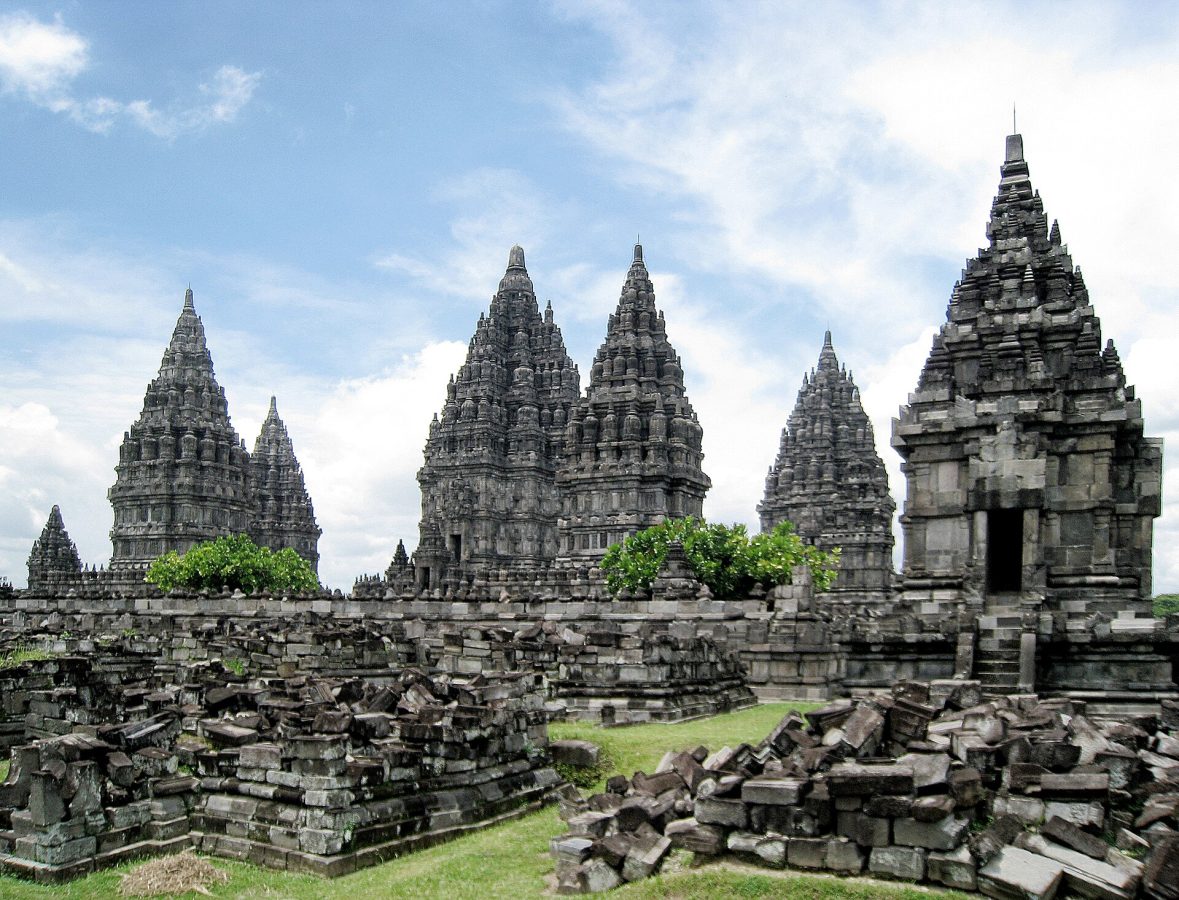
Wukirsari
Indonesia · 3 places
Photo: Gunawan Kartapranata, CC BY-SA 3.0
Wukirsari sits quietly in the heart of Java, a place where life moves to the rhythm of rice fields and age-old traditions rather than the hum of traffic or the chatter of crowds. The streets are narrow and unhurried, lined with wooden houses whose carved facades tell stories of generations past. Elders sit on doorsteps, some counting prayer beads, others sipping sweet tea, their presence a reminder that time here doesn’t rush—it lingers. There are no grand boulevards or tourist traps, just the quiet pulse of a town that has chosen to remain itself, untouched by the haste of the outside world.
The land around Wukirsari rolls gently into terraced hills, where rice paddies stretch like patchwork quilts toward a winding river. Farmers still work the fields as their ancestors did, guiding water buffalo through the mud, turning the soil with wooden plows, their hands shaping the earth with a patience that feels almost meditative. In the rainy season, the paddies become vast mirrors, reflecting the sky until it’s hard to tell where the land ends and the clouds begin. When the dry season comes, the fields turn golden, swaying under the wind like a living sea. Walking the paths between them, you’ll hear nothing but the drone of cicadas and the occasional murmur of voices as farmers tend to their crops, their movements deliberate, unhurried.
Wukirsari is a town of craftsmen, where skills are passed down like heirlooms. In small workshops tucked away on side streets, artisans weave batik, shape rattan into baskets, and carve wooden masks for traditional dances. The town is especially known for its blacksmiths, who forge *kris*—the sacred, wavy-bladed daggers of Javanese culture. Visitors can step into these workshops, watch the process unfold, and even try their hand at a craft under the guidance of a master. There’s no rush here, no pressure to produce—just the steady, rhythmic work of hands that have done this for decades.
For all its small size, Wukirsari holds a few quiet treasures. There’s an old mosque with a wooden minaret, its walls adorned with intricate carvings that have weathered time and colonial history. Inside, the air is cool and dim, the only light filtering through latticed shutters. Nearby, a morning market hums with life, stalls piled high with fresh fruit, spices, and fragrant homemade pastries. This is where you’ll find the real flavors of the town—sticky rice sweetened with coconut, bananas fried to a crisp golden brown, or tea steeped with ginger and lemongrass, its warmth cutting through the morning chill.
Life in Wukirsari follows its own unspoken rules, the most important being respect for the way things have always been. The people are warm but never intrusive, and if you arrive with an open heart, they’ll welcome you in return—sharing stories over a meal, inviting you to a family celebration, or simply letting you wander without expectation. The town doesn’t try to be a tourist destination, and that’s precisely what makes it special. There are no must-see checklists here, no grand performances for visitors. Just the chance to slow down, to watch, to listen, and to let the quiet rhythm of the place settle into your bones.
Eat & Drink
0 placesNothing in this category yet — the catalogue is still growing.
All placesPlaces on the map
Marker colour follows the categoryClimate and weather
Detailed weather: Wukirsari- Average temperature
- 28 °C
- Precipitation per year
- 0 mm
Average air temperature
°C
28
28
28
28
28
28
28
27
28
29
28
28
Jan
Feb
Mar
Apr
May
Jun
Jul
Aug
Sep
Oct
Nov
Dec


