Windhoek
Namibia · 12 places
Photo: Bries, CC BY-SA 2.5
Windhoek sits among the rolling hills of central Namibia, where the air is dry and carries the scent of dust and acacia. The sky stretches endlessly, almost always clear. There’s a quiet rhythm here—an African pace softened by its European past.
The city reveals itself slowly. Walk its streets first, let your eyes linger on the details—the way sunlight catches the edges of old buildings, the way vendors arrange their goods.
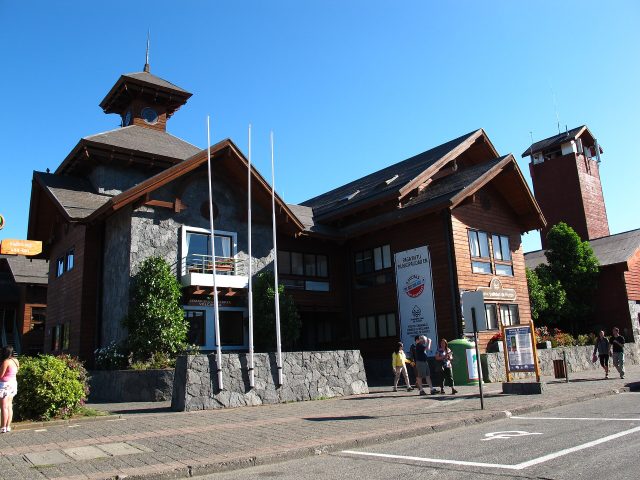
Windhoek wasn’t always Namibia’s capital. Once, it was a German colonial outpost, and that era remains in its architecture. The city center has colonial buildings with high ceilings, wooden shutters, and red-tiled roofs. The Catholic cathedral, with its twin spires, stands where the city was once called Windhuk. Nearby, the old fort now houses a museum. Modern offices rise beside traditional markets where vendors sell handmade crafts and fresh fruit under canvas awnings.
If you want to know Namibia’s story, the museums offer a starting point. The Owambo Museum shows the traditions and daily life of one of the country’s largest ethnic groups. The National Museum has exhibits on geology, wildlife, and the road to independence. Outside the city, nature reserves let you see giraffes at acacia trees and zebras on the plains. When you return, cafés serve beef or kapana—grilled meat with local spices, eaten with your hands.
This is a city that serves as a gateway. From here, you can head north to Etosha National Park or west to the Namib Desert. Windhoek isn’t a tourist hub. There are no luxury resorts, just quiet streets where life moves naturally. The people reflect Namibia’s diversity—Herero women in Victorian-style dresses, German-speaking descendants of settlers, Damara craftsmen shaping wood. They’re friendly but not pushy.
Spend a few days here, and you’ll notice the little things—conversations unfolding at their own pace, café owners brewing coffee slowly, the setting sun turning the hills gold. There’s no rush. Windhoek lets you be.
See & Do
12 places




Places on the map
Marker colour follows the categoryClimate and weather
Detailed weather: Windhoek- Average temperature
- 21 °C
- Precipitation per year
- 306 mm
Average air temperature
°C
24
24
22
20
18
15
15
18
22
24
25
25
Jan
Feb
Mar
Apr
May
Jun
Jul
Aug
Sep
Oct
Nov
Dec