Pont du Gard
France · 4 places
Photo: Sefjo, CC BY-SA 3.0
Nestled in the sun-drenched hills of Provence, where the air carries the scent of wild herbs and the slow murmur of the Gardon River, lies the quiet town of Vers-Pont-du-Gard. It’s a place where the past isn’t just remembered—it’s still standing, in the form of a towering Roman aqueduct that arches gracefully over the valley. Built nearly two thousand years ago to carry water to the city of Nîmes, the Pont du Gard remains one of the most striking examples of ancient engineering, its golden limestone blocks fitted together without mortar, as if defying time itself. The structure isn’t just a relic; it’s a living part of the landscape, its three tiers of arches stretching across the river like a bridge between eras. On summer evenings, when the light softens and the cicadas grow louder, the aqueduct seems to glow, its stones warmed by the day’s heat, its presence both imposing and strangely serene.
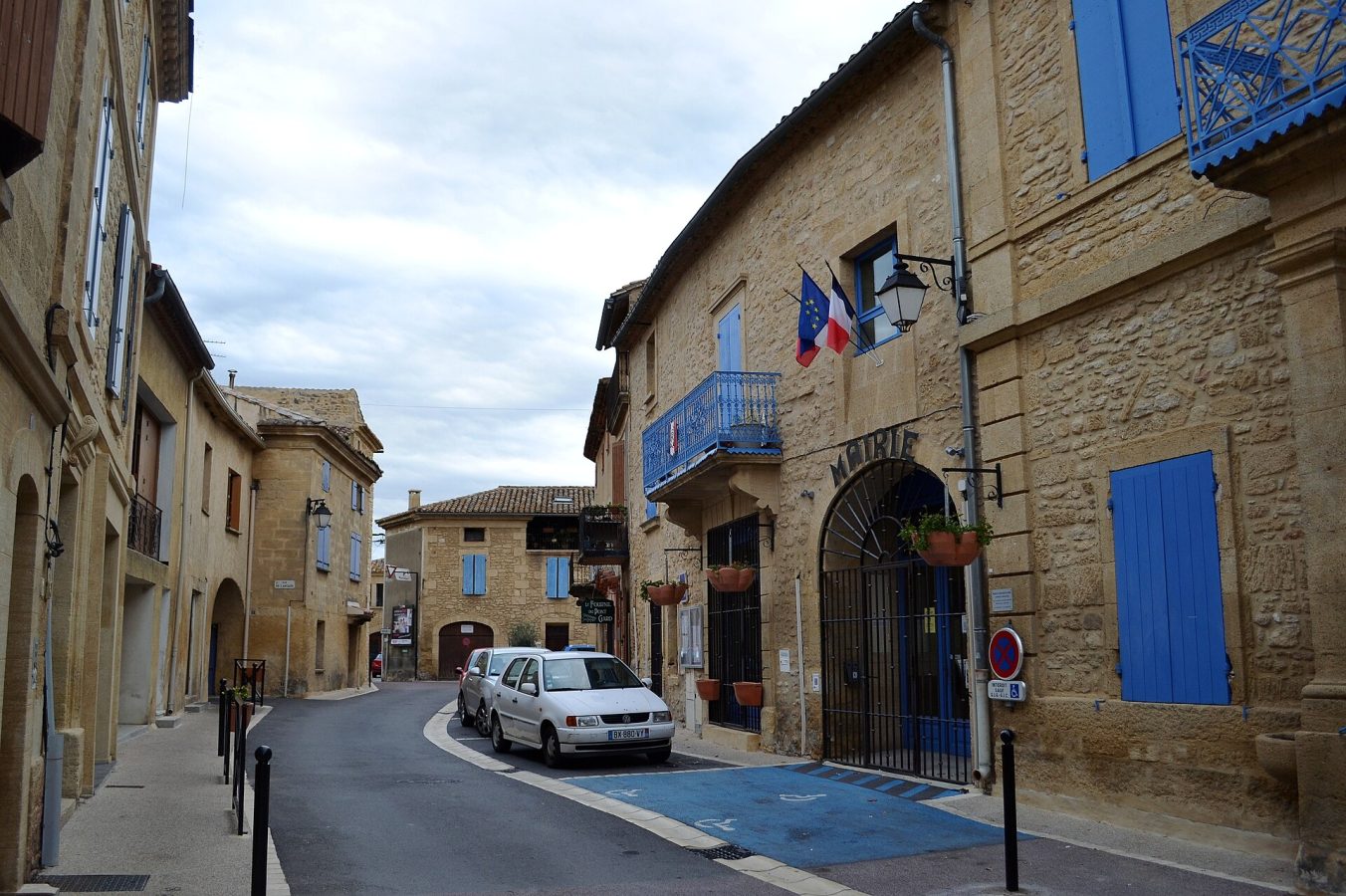
The town itself is small, unhurried, the kind of place where life moves to the rhythm of the seasons rather than the clock. Narrow streets wind between old stone houses, their shutters painted in faded blues and greens, their walls draped with wisteria or ivy. At the heart of Vers-Pont-du-Gard is a square shaded by plane trees, where locals gather for coffee in the morning and pastis in the afternoon. There’s no rush here—just the occasional clink of glasses, the murmur of conversation, and the distant sound of water lapping against the riverbanks. In the summer, the air is thick with the scent of lavender and freshly baked bread, while in the cooler months, a mist often rises from the Gardon, curling around the aqueduct’s pillars like smoke. It’s a place where the simplest pleasures—a long lunch, a walk along the river, the taste of a local rosé—feel like revelations.
The Pont du Gard isn’t just a monument to admire from afar; it’s a place to experience. You can walk across its upper tier, where the wind carries the sound of the river below, and the view stretches over rolling vineyards and the patchwork of fields that make up the Provençal countryside. Below, where the aqueduct’s shadow falls across the water, families picnic on the grassy banks, children splash in the shallows, and swimmers float in the cool current. The Romans built it to last, and it has—though now it serves a different purpose, as a backdrop for lazy afternoons and a reminder of how little some things change. Nearby, a small museum tells the story of its construction, but the real history is written in the stones themselves, worn smooth by centuries of wind and water.
Beyond the aqueduct, Vers-Pont-du-Gard is a gateway to the slower, richer side of southern France. The surrounding countryside is dotted with family-run vineyards, where winemakers still press grapes the way they have for generations, producing bold reds and crisp whites that taste of the sun-baked earth. Markets in nearby towns overflow with olives, goat cheeses, and bundles of dried herbs, while roadside stalls sell jars of honey and bottles of olive oil pressed from groves just down the road. In the summer, the town comes alive with open-air concerts and festivals, where music spills into the streets and the aqueduct is lit up against the night sky. But even in the quieter months, there’s a sense of timelessness here, a feeling that the land and its people have found a way to live that doesn’t need to be hurried.
To visit Vers-Pont-du-Gard is to step into a rhythm that feels almost forgotten elsewhere. There’s no need to fill the days with sightseeing; the best moments often come from doing very little at all. Wander the footpaths along the river, where the water glints in the sunlight and the only sounds are the rustle of reeds and the occasional splash of a fish. Stop in a small shop to browse handmade pottery or woven baskets, or sit at a café table with a glass of wine and watch the light change over the hills. As the sun sets, the aqueduct takes on a golden hue, its reflection shimmering in the river below. It’s a place that doesn’t just invite you to look—it asks you to stay awhile, to let the hours slip by unnoticed, to feel the weight of history in the stones beneath your feet and the warmth of the sun on your skin. Here, time doesn’t rush. It lingers, like the last notes of a song, or the taste of something sweet on your tongue.
Eat & Drink
0 placesNothing in this category yet — the catalogue is still growing.
All placesPlaces on the map
Marker colour follows the categoryClimate and weather
Detailed weather: Pont du Gard- Average temperature
- 16 °C
- Precipitation per year
- 751 mm
Average air temperature
°C
7
8
11
14
18
22
25
25
21
16
11
8
Jan
Feb
Mar
Apr
May
Jun
Jul
Aug
Sep
Oct
Nov
Dec