Wieliczka Salt Mine
Poland · 5 places
Photo: Magistratwieliczka, CC BY-SA 4.0
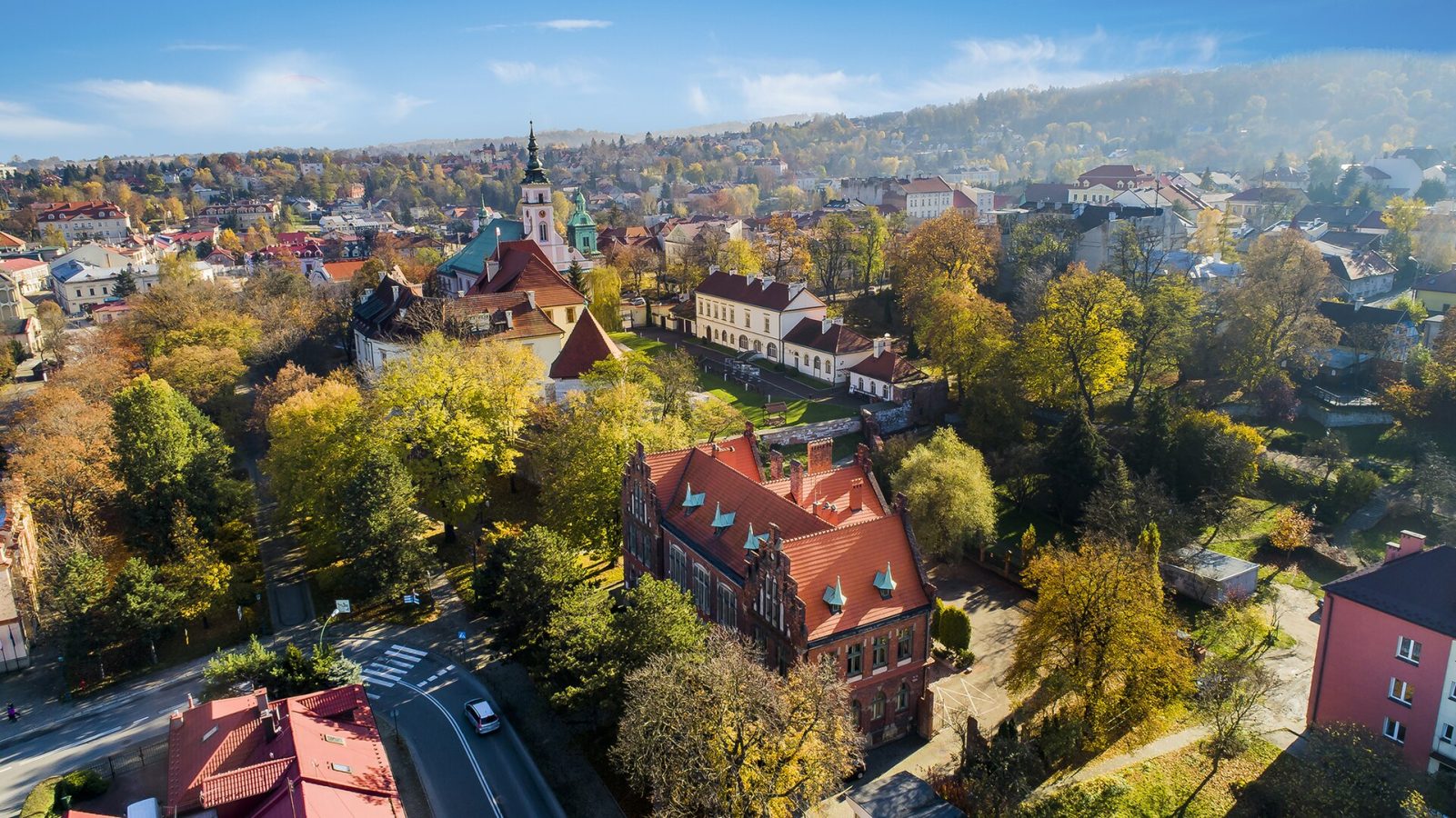
Nestled just a stone’s throw from Kraków, Wieliczka feels like a place where time has settled into a gentler rhythm. The town carries the quiet charm of a medieval chronicle brought to life, its narrow cobblestone streets winding past houses with intricately carved facades and flower-filled window boxes. There are no bustling boulevards or crowds here—just the kind of stillness that makes it easy to imagine merchants haggling over salt centuries ago, their carts rumbling over the same stones that now echo with the footsteps of visitors. Yet beneath this unassuming surface lies something extraordinary: one of Europe’s oldest salt mines, a labyrinth of tunnels and chambers that has shaped Wieliczka’s identity for over seven hundred years.
Descending into the mine is like stepping into another world. The air grows cooler, the light dimmer, and the walls glisten with the faint sheen of salt crystals. What was once a place of grueling labor has been transformed into an underground wonder, where entire chapels, sculptures, and even chandeliers have been carved from the rock salt itself. The most breathtaking of these is the Chapel of St. Kinga, a cavernous space where every detail—from the altar to the life-sized statues—seems to glow in the soft candlelight. The mine’s lower levels reveal even more surprises: underground lakes so still they mirror the flickering lanterns above, and narrow passageways lined with tools that tell the stories of the miners who once worked here. Legends of ghostly figures lingering in the shadows add a touch of mystery, though the real magic lies in the sheer craftsmanship that turned a working mine into a subterranean masterpiece.
Above ground, Wieliczka moves at a slower pace, untouched by the frenetic energy of nearby Kraków. The town square is anchored by a sturdy Renaissance town hall, its clock tower offering a sweeping view of red-tiled roofs and rolling green hills. In summer, the square buzzes with open-air markets where vendors sell local honey, smoked cheeses, and fresh pierogi, while winter brings twinkling lights and the scent of mulled wine drifting through the air. Beyond the town center, the landscape softens into forests and meadows, perfect for leisurely walks or cycling along quiet country roads. A short climb up a nearby hill rewards visitors with a panoramic view of the Małopolska countryside, where wooden churches dot the valleys and time seems to stand still.
Wieliczka’s history is one of both wealth and hardship. In the Middle Ages, salt was so valuable that the town thrived as a trading hub, its prosperity evident in the grand merchant houses and ornate churches that still stand today. The Church of St. Clement, with its stunning stained glass and intricate altarpiece, was built with the riches of the salt trade, a testament to the town’s golden age. Yet the mine was also a place of backbreaking labor, and Wieliczka hasn’t forgotten the generations of miners who toiled underground. Memorials and small museums pay tribute to their lives, offering a glimpse into the harsh realities behind the town’s glittering legacy.
Today, Wieliczka attracts visitors not just for its famous mine, but for the chance to experience a side of Poland that feels untouched by modernity. There’s no rush here—just the simple pleasures of wandering past pastel-colored houses, stopping for a slice of homemade cake in a cozy café, or browsing the stalls of local artisans selling handcrafted pottery and lace. The town comes alive during its festivals, whether it’s the medieval reenactments that fill the streets with music and laughter or the Christmas markets that transform the square into a winter wonderland. On those days, Wieliczka feels like a place where the past isn’t just remembered—it’s still very much alive.
Eat & Drink
0 placesNothing in this category yet — the catalogue is still growing.
All placesPlaces on the map
Marker colour follows the categoryClimate and weather
Detailed weather: Wieliczka Salt Mine- Average temperature
- 10 °C
- Precipitation per year
- 712 mm
Average air temperature
°C
-1
2
4
9
14
19
20
20
15
10
5
1
Jan
Feb
Mar
Apr
May
Jun
Jul
Aug
Sep
Oct
Nov
Dec