Turda
Romania · 3 places
Photo: Ana Maria Catalina, CC BY-SA 4.0
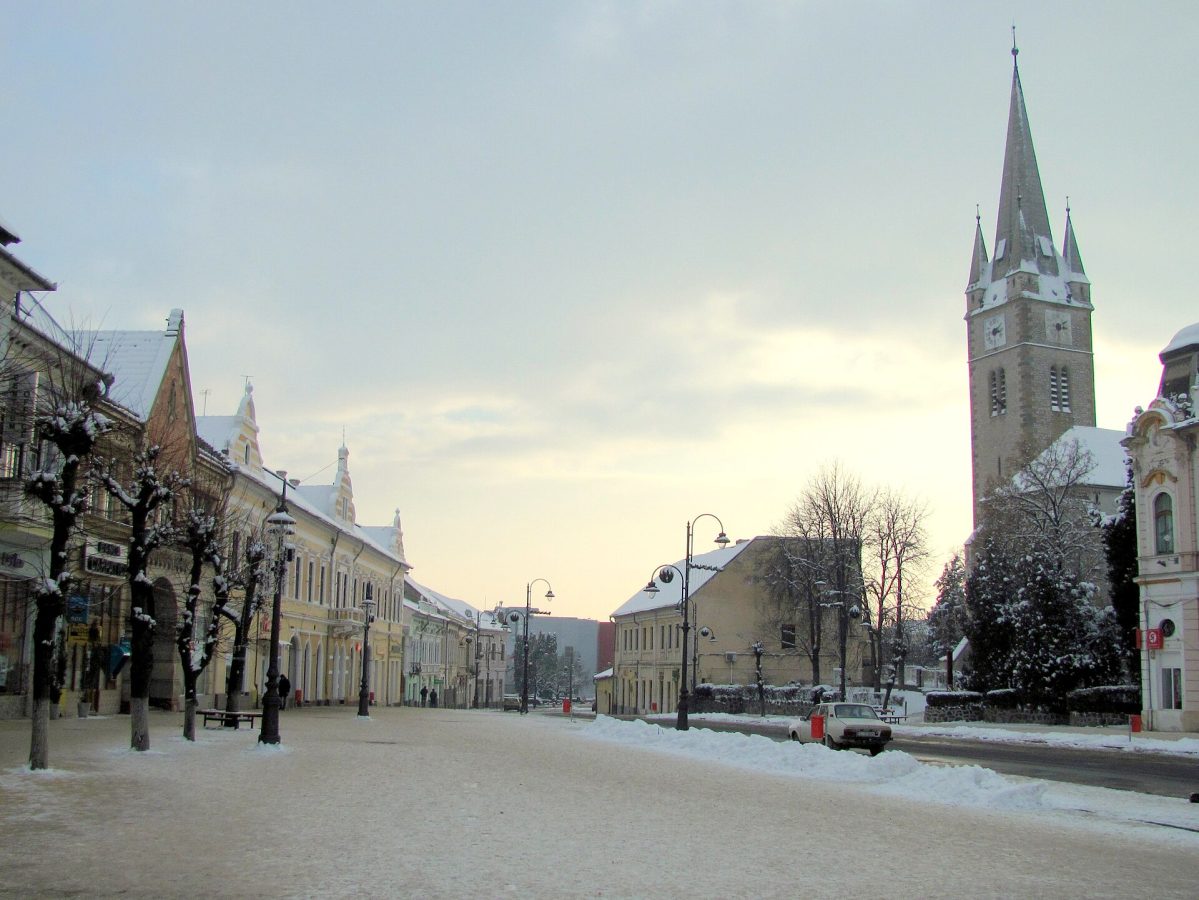
Turda is the kind of place you might drive right past on your way from Cluj to the mountains, and that’s part of its quiet charm. There are no medieval fortresses here to draw the crowds, no neon signs or tourist traps—just a slow, unhurried rhythm that feels like stepping into another era. The streets are lined with pastel-colored houses, their shutters often left ajar, and if you linger long enough, you’ll notice the way neighbors greet each other by name, the way old men gather under the shade of linden trees to play chess, the way the scent of fresh bread drifts from a bakery before dawn. This isn’t the Transylvania of vampire legends; it’s the real thing, where shepherds still guide their flocks over rolling hills and the days unfold at their own pace.
The city’s most unexpected treasure lies underground. The Turda Salt Mine isn’t just a museum—it’s a subterranean world that feels like something out of a dream. Once a working mine, its vast chambers have been transformed into a surreal landscape of lakes, wooden boats, and even a Ferris wheel, all bathed in the soft glow of reflected light off the white salt walls. The air here is famously pure, said to be good for the lungs, and locals sometimes come just to breathe it in. Descend deeper, and you’ll find the old mining equipment, rusted but still standing, a reminder of the labor that shaped this place. It’s easy to lose track of time down there, wandering between the echoing halls and the still, mirror-like waters.
Above ground, Turda has its own understated appeal. The central square, with its Baroque town hall and ornate facades, hints at the city’s past as a bustling trade hub. Nearby, the Aries River flows under an 18th-century stone bridge, its waters reflecting the warm glow of streetlamps at dusk. The riverbank is a favorite spot for evening strolls, where you might stop at a small café for a glass of *pălincă*—the local fruit brandy, sipped slowly over long conversations. The pace here is deliberate, unhurried, as if the city itself is in no rush to move on to the next thing.
Turda also serves as a gateway to the wild beauty of the Apuseni Mountains. Within an hour’s drive, you can find yourself in a landscape of deep gorges, hidden waterfalls, and valleys where cows graze in summer and snow blankets the ground in winter. The locals know these trails well, and if you ask, they’ll gladly point you toward the Turda Gorge, a dramatic cleft in the earth with sheer cliffs and rushing water. Or you might wander into one of the nearby villages, where life hasn’t changed much in generations—wooden churches, tiled roofs, and people who still farm the land as their grandparents did.
What makes Turda special is that it doesn’t try to be anything other than itself. There are no crowds, no lines, no scripted tours. It’s a place for those who want to see Romania without the gloss, to feel the weight of its history and the ease of its present. You could spend a day here or a week, wandering the quiet streets, browsing the small shops selling honey and homemade cheese, or simply sitting in the park with a book. And if you’re lucky, you might stumble upon a local festival—a craft fair, a folk music gathering—where the air fills with the sound of violins and accordions, and the scent of grilled meat and wine lingers long into the night.
Eat & Drink
0 placesNothing in this category yet — the catalogue is still growing.
All placesPlaces on the map
Marker colour follows the categoryClimate and weather
Detailed weather: Turda- Average temperature
- 11 °C
- Precipitation per year
- 588 mm
- Sunshine hours per day
- 5.5 h
Average air temperature
°C
-1
2
6
11
15
20
21
21
16
10
5
1
Jan
Feb
Mar
Apr
May
Jun
Jul
Aug
Sep
Oct
Nov
Dec