
Tibnin
Lebanon · 8 places
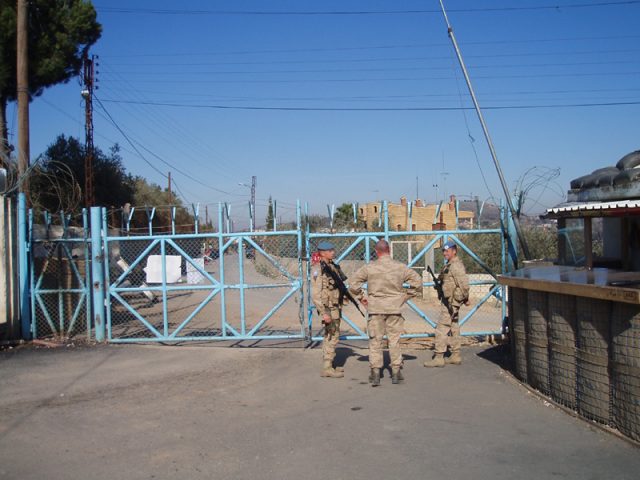
Photo: Tdakroub, CC BY-SA 3.0
Tibnin is one of those quiet corners of Lebanon that most travelers overlook, and that’s precisely what makes it worth discovering. Tucked away in the south of the country, it feels worlds apart from the well-trodden paths of Beirut or Byblos, yet it’s only a couple of hours’ drive from the capital. There are no crowds here, no souvenir stalls hawking trinkets, no guides shouting over each other to offer the same tour. Instead, the streets move at their own unhurried pace, lined with low-slung houses where neighbors greet each other with a nod or a quiet word. The rhythm of life is slower, more deliberate—less about spectacle, more about the small, unscripted moments that make a place feel real.
History lingers in Tibnin like a quiet guest who never quite leaves. The town has seen empires rise and fall—Phoenician traders, Roman legions, Ottoman pashas, and French administrators all passed through, each leaving their mark. But it’s the Crusaders who left the most visible trace. In the 12th century, they built a fortress here, a sturdy stone sentinel that still overlooks the town today. Unlike the grand citadels of Sidon or Beirut, Tibnin’s castle is modest, almost intimate. Its weathered walls and crumbling towers don’t dominate the landscape so much as blend into it, as if they’ve grown out of the hillside over centuries. Climbing up to the ramparts, you can look out over the rolling green hills and imagine the clatter of armor, the murmur of negotiations, the weight of decisions that once shaped the region. The view is unassuming, but that’s part of its charm—no grand vistas, just the quiet persistence of time.
Life in Tibnin unfolds at a pace that feels almost old-fashioned. Mornings begin with the call to prayer drifting from the minarets, mingling with the scent of fresh bread from the local bakeries. The central square is the heart of the town, where men gather under the shade of trees to play backgammon, children kick a ball between the benches, and women in brightly colored headscarves haggle over the day’s produce. There are no supermarkets here, no chain stores—just small shops where you can buy everything from handmade sweets to jars of olive oil pressed from nearby groves. The weekly market is the best time to visit, when farmers from the surrounding villages arrive with crates of just-picked figs, pomegranates, and honey so thick it coats the spoon. The flavors are simple but unforgettable, the kind that make you realize how much of what we eat is stripped of its essence by the time it reaches a supermarket shelf.
Beyond the town, the landscape opens up in ways that surprise even those who think they know Lebanon. A short drive away, nature reserves and oak forests offer quiet trails where the only sounds are the rustle of leaves and the occasional call of a bird. In summer, the heat is gentler here than on the coast, and in winter, the hills sometimes dust with snow, turning the countryside into something out of a storybook. Locals are quick to share their favorite spots—a hidden spring with water so clear it looks like glass, an old Ottoman-era mill still standing by the river, or a hilltop with a view that stretches all the way to the Bekaa Valley. There’s no need for grand attractions; the land itself is the draw.
Tibnin isn’t a place for those seeking luxury or entertainment. There are no five-star hotels, no trendy restaurants, no nightlife to speak of. What it offers instead is something rarer: authenticity. This is Lebanon without the filter, a town where life isn’t performed for visitors but simply lived. You can wander its narrow alleys without a plan, duck into a café where the owner will insist on serving you coffee, or sit on a bench watching the day unfold at its own pace. It’s the kind of place that stays with you—not because of any single landmark, but because of the way it makes you feel, as if time here has a different texture. Those who visit once often find themselves returning, not for the sights, but for the quiet certainty that some places are meant to be savored slowly.
See & Do
8 places
Places on the map
Marker colour follows the categoryClimate and weather
Detailed weather: Tibnin- Average temperature
- 17 °C
- Precipitation per year
- 426 mm
Average air temperature
°C
7
8
11
16
20
23
25
24
23
19
14
10
Jan
Feb
Mar
Apr
May
Jun
Jul
Aug
Sep
Oct
Nov
Dec


