Štutovo
Poland · 7 places
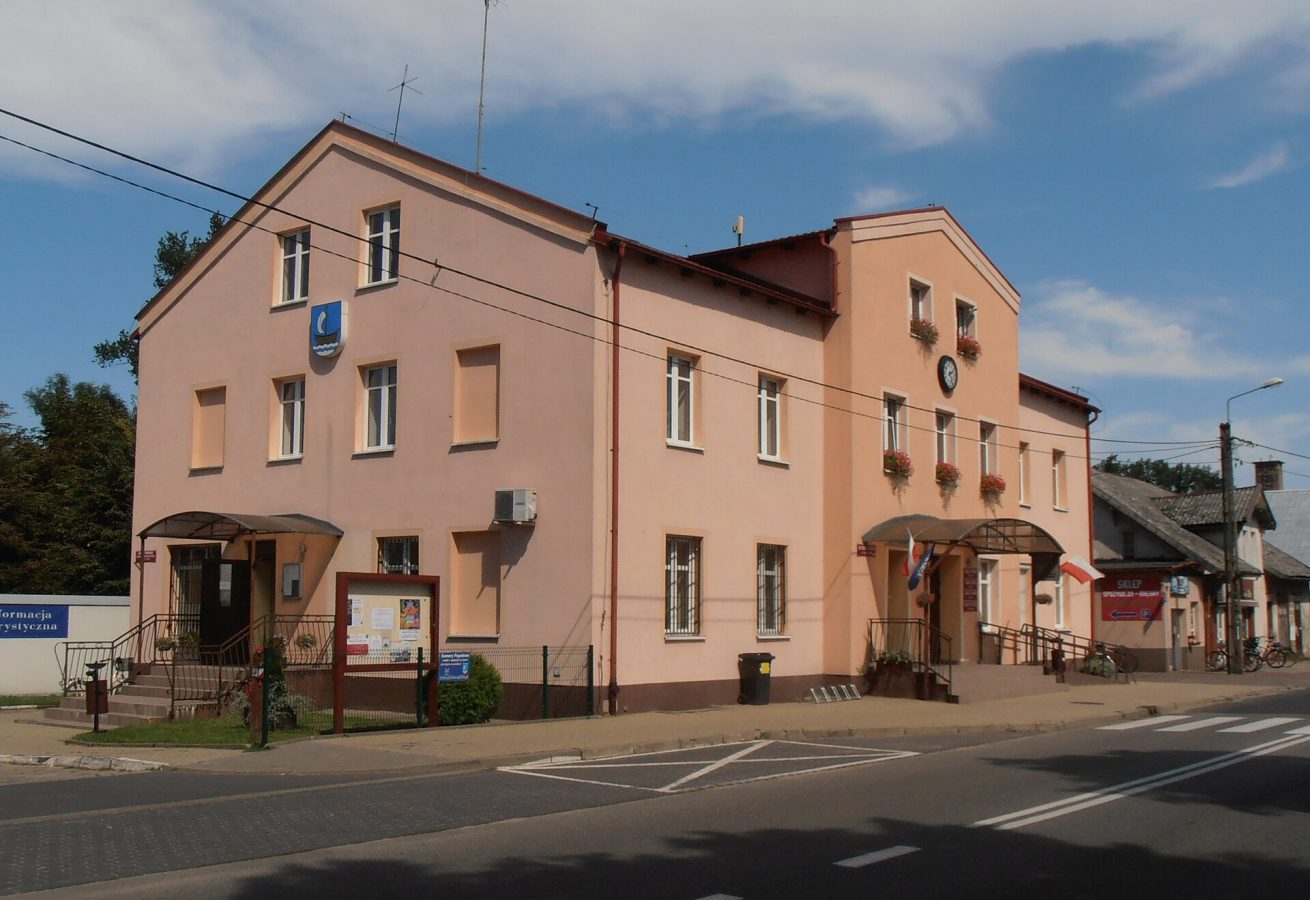
Photo: Grzegorz W. Tężycki, CC BY-SA 4.0
Štutovo sits where the Baltic Sea meets the quiet rhythm of northern Poland, a slender strip of land caught between the sheltered waters of the Vistula Lagoon and the open sea. The town unfolds along narrow streets lined with timber-framed houses, their red-tiled roofs weathered by salt and wind. There’s no rush here, no grand attractions vying for attention—just the slow pulse of a place that has learned to exist on its own terms. The air carries the scent of pine and brine, and the only sounds that break the stillness are the creak of fishing boats and the distant cry of gulls.
The sea is what draws people to Štutovo. The beaches stretch wide and empty, their fine sand sloping gently into cool, clear water that stays refreshingly brisk even in summer. At dawn, mist rises from the lagoon like smoke, and the first light turns the shore to gold. Fishermen push their boats into the shallows, their movements unhurried, their voices low. By evening, the beach comes alive with the crackle of driftwood fires and the murmur of conversations in Polish and German, the languages of those who return here year after year. The water may not be warm, but the pull of the place is stronger than any discomfort.
Beyond the town, the Vistula Spit curls along the coast, a wild ribbon of dunes, forests, and wetlands. It’s a landscape that feels untouched, where rare birds nest in the reeds and seals haul themselves onto sandbanks at low tide. Trails wind through pine woods and across marshes, quiet enough that you might hear the rustle of a deer in the undergrowth or the sudden splash of a fish breaking the surface of a hidden pond. Cyclists and hikers share the paths, but there are no crowds, no signs pointing to must-see sights—just the land as it has always been.
Štutovo’s past is written in its buildings and the stories of its people. Once a humble fishing village, it has seen wars and shifting borders, yet the old ways linger. The 19th-century church in the town square stands as a quiet witness to time, its wooden pews worn smooth by generations of worshippers. Nearby, a small museum preserves the tools and tales of the fishermen who once depended on these waters, their lives shaped by the tides. There’s no grand narrative here, just the steady accumulation of small, lived histories.
The town doesn’t try to impress. There are no neon-lit bars or high-rise hotels, just family-run guesthouses where the owners remember your name and cafés serving fried perch with rye bread and homemade jam. In summer, the streets fill with visitors, but the pace never quickens. By autumn, the crowds thin, and by winter, Štutovo feels almost deserted. The wind howls across the dunes, and the sea crashes against the shore with a raw, unfiltered power. It’s a place for those who find beauty in simplicity—for whom the sound of waves and the taste of salt on the breeze are enough.
Eat & Drink
0 placesNothing in this category yet — the catalogue is still growing.
All placesPlaces on the map
Marker colour follows the categoryClimate and weather
Detailed weather: Štutovo- Average temperature
- 9 °C
- Precipitation per year
- 781 mm
- Sunshine hours per day
- 5.7 h
Average air temperature
°C
-1
0
3
7
12
17
18
18
14
9
4
1
Jan
Feb
Mar
Apr
May
Jun
Jul
Aug
Sep
Oct
Nov
Dec