- Home
- Kazakhstan
- Old Ikan

Old Ikan
Kazakhstan · 8 places
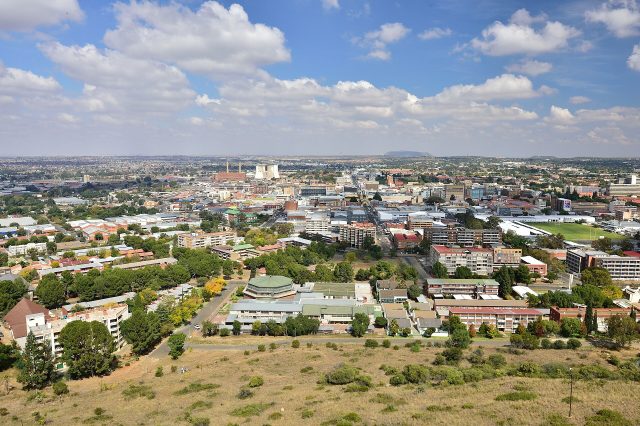
Photo: Warekau, CC BY-SA 4.0
Staroikan is a place where time seems to have paused, leaving behind the quiet rhythm of a bygone era. Unlike Kazakhstan’s bustling cities with their glass towers and shopping malls, this town moves at its own unhurried pace. The streets are narrow, lined with poplars that sway in the steppe wind, and the houses—mostly single-story with carved wooden shutters—stand as they have for decades. In the courtyards, elderly men play dominoes under the shade of trees while children kick a ball around, their laughter blending with the distant hum of everyday life. There are no grand attractions here, no crowds of tourists, just the simple, unfiltered reality of a town that has chosen to remain itself.
Tucked deep in the Kazakh steppe, Staroikan feels far removed from the rest of the world. The nearest regional center is hours away, reachable only by a winding road that cuts through endless fields and rolling hills. The locals have long grown accustomed to this isolation, and no one seems in a rush to change it. There’s no traffic, no hurried footsteps, just the vast openness of the steppe, the scent of wormwood in the air, and the silence broken only by the cries of gulls circling the Ikan River. The river itself is narrow but deep, its steep banks overgrown with willows, and in the summer heat, it becomes the town’s lifeline—where people swim, fish, or simply sit by the water with a fishing rod, watching the current drift by.
Staroikan began as a small settlement in the mid-20th century, born when railway workers arrived to lay tracks through the steppe. The first houses, a school, a hospital, and a community club soon followed, forming the backbone of the town that still stands today. During the Soviet years, local factories processed agricultural goods, but after the collapse of the Union, many shut down, leaving behind empty workshops and rusted machinery. Now, life here is quiet. Some raise livestock, others grow vegetables in their gardens, and a few leave for work in the regional capital or even farther abroad. But those who stay don’t complain. There’s a certain philosophy to life in Staroikan: if you’re not chasing wealth, you’re not chasing stress either.
There are no museums, theaters, or trendy cafes here, but what Staroikan lacks in modern amenities, it makes up for in authenticity. Festivals are celebrated with unfiltered joy—Nauryz with traditional dishes, weddings with all-night singing and dancing, and Victory Day with a reverence that makes the past feel immediate. In the town park, planted back in the 1960s, teenagers gather in the evenings while older residents sit on benches, sharing stories. Doors are rarely locked, and if you lose your way, a stranger won’t just point you in the right direction but will likely invite you in for tea.
The steppe surrounding Staroikan is a world of its own. In summer, it turns golden under the sun, while spring paints it with wild tulips and poppies. Mornings here begin with a slow sunrise, the sky blushing pink and orange, and evenings fade into deep violet hues. The locals know every gully and ridge, and if you’re lucky, they’ll share tales of ancient caravans, nomadic ancestors, or the occasional arrowhead still found in the earth. Nearby lakes draw fishermen and those simply looking to escape for a while, their clear waters reflecting the endless sky.
Staroikan isn’t for those seeking excitement or luxury. It’s a place for anyone tired of the noise and haste of modern life, where time moves differently—where conversations are unhurried, sunsets linger, and the steppe wind carries stories of its own. Maybe that’s why those who visit once often return, drawn back by the quiet, the river mist at dawn, and the sense that here, life still follows its own unforced rhythm.
Eat & Drink
0 placesNothing in this category yet — the catalogue is still growing.
All placesPlaces on the map
Marker colour follows the categoryClimate and weather
Detailed weather: Old Ikan- Average temperature
- 14 °C
- Precipitation per year
- 225 mm
- Sunshine hours per day
- 9.1 h
Average air temperature
°C
-1
2
9
16
23
28
31
28
21
12
4
-1
Jan
Feb
Mar
Apr
May
Jun
Jul
Aug
Sep
Oct
Nov
Dec