Weather overview
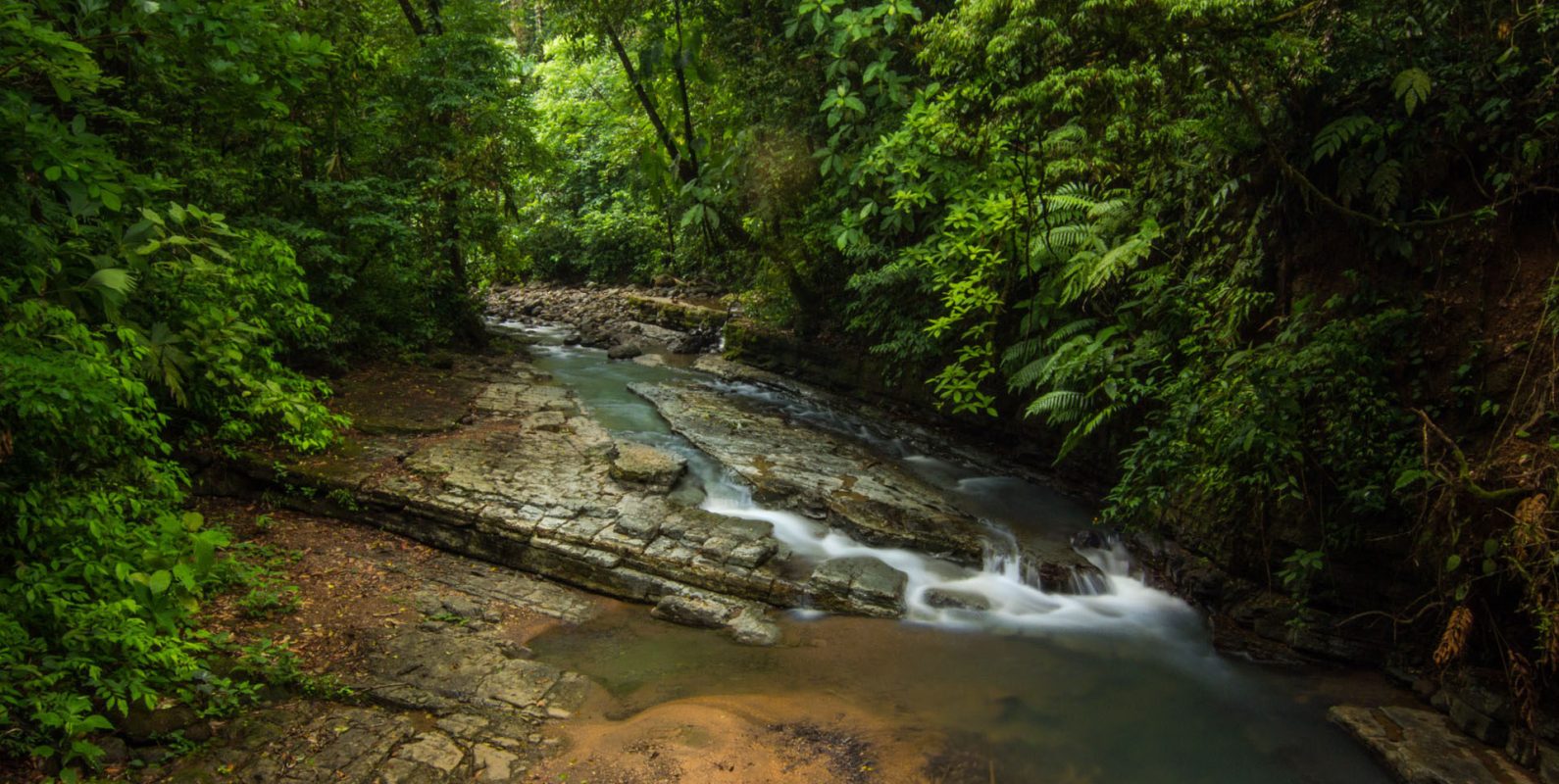
Santiago in Costa Rica enjoys a mild tropical climate year-round, with temperatures rarely straying far from a comfortable range. The dry season, from January to April, brings warm days and cool nights, making it a popular time to visit. By May, the rains begin, transforming the landscape into lush greenery that lasts through November.
Travelers to Santiago will notice the shift between dry and wet seasons, though even the rainiest months often feature sunny mornings. The brief respite in July and August offers a mix of sunshine and showers, while December marks the return of drier weather. This pattern makes Santiago a year-round destination, though the best conditions depend on your tolerance for rain.
Temperature
Temperatures in Santiago remain steady throughout the year, with daytime highs typically between +27 °C and +31 °C. The warmest months are March and April, when the mercury can reach +30.8 °C, while nights stay mild at around +18 °C to +19 °C. Even in the cooler months, like October, the average high only dips to +27.7 °C.
Nighttime temperatures in Santiago rarely drop below +18 °C, ensuring comfortable evenings regardless of the season. The smallest variation occurs in May and June, when daytime and nighttime temperatures hover close together, around +23 °C to +29 °C. This consistency makes packing for Santiago simpler, though layers are still useful for cooler nights.
| Month | Minimum | Maximum |
|---|---|---|
| January | 18.3 | 29.3 |
| February | 18.6 | 29.9 |
| March | 18.8 | 30.8 |
| April | 19.1 | 30.8 |
| May | 19.1 | 29.4 |
| June | 18.9 | 28.6 |
| July | 19.2 | 29.1 |
| August | 18.7 | 28.9 |
| September | 18.4 | 28.5 |
| October | 18.3 | 27.7 |
| November | 18.4 | 27.8 |
| December | 18.6 | 28.6 |
Precipitation
Rainfall in Santiago follows a clear seasonal pattern, with the driest months being January and February, when precipitation averages just 29.2 mm and 11.8 mm, respectively. The wet season begins in May, peaking in June and September, when monthly rainfall exceeds 300 mm. March and April see a surprising spike, with March recording 183.5 mm despite being part of the dry season.
During the wettest months, Santiago experiences frequent afternoon showers, though mornings often remain dry. July and August offer a brief break, with rainfall dropping to around 214 mm and 252 mm, respectively. By December, the rains taper off, leaving Santiago with just 48.4 mm of precipitation. Travelers should plan outdoor activities for the morning during the wet season.
| Month | Precipitation |
|---|---|
| January | 29.2 |
| February | 11.8 |
| March | 183.5 |
| April | 90.1 |
| May | 332.2 |
| June | 401.2 |
| July | 214.4 |
| August | 251.8 |
| September | 360.8 |
| October | 338.7 |
| November | 308.8 |
| December | 48.4 |
What to pack
For a trip to Santiago during the dry season, lightweight clothing is ideal, along with a light jacket for cooler evenings. A hat and sunscreen are essential, as the sun can be strong even in January and February. If visiting between May and November, pack a compact umbrella or a waterproof jacket to stay dry during afternoon showers.
Comfortable walking shoes are a must year-round, as Santiago’s terrain can be uneven. During the wet season, quick-drying fabrics and waterproof footwear will help you navigate the occasional downpour. For those sensitive to humidity, breathable clothing is recommended, especially in September and October, when rainfall is at its peak.
| Month | Wind speed |
|---|---|
| January | 5.9 |
| February | 6.5 |
| March | 5.9 |
| April | 4.5 |
| May | 3.1 |
| June | 2.9 |
| July | 3.7 |
| August | 3.2 |
| September | 2.8 |
| October | 2.6 |
| November | 3.3 |
| December | 5 |

