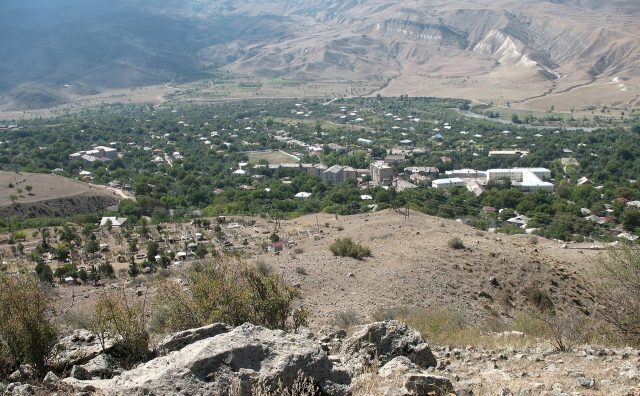
Santa Cruz del Quiché
Guatemala · 8 places
Photo: AmaretoCR, CC BY 2.0
Santa Cruz del Quiché
Santa Cruz del Quiché sits quietly in the Guatemalan highlands. Time moves at its own unhurried pace here. No crowds, no headlines—just the cadence of conversations on the street, the bustle of the market, and the old stories elders still tell. The town perches nearly two thousand meters above sea level, where the air is crisp and the sky feels close enough to touch.
The Spanish founded it in the sixteenth century, but these lands belonged to the Maya long before. Just outside town, Gumarcaj sprawls—one of Guatemala’s most significant archaeological sites. Once the capital of the K’iche’ kingdom, its ruins—stone platforms and grass-covered pyramids—hint at a civilization that thrived centuries before Europe knew the Americas existed. Walk among them, and you’ll hear echoes: the murmur of priests, the crackle of ritual fires, the heartbeat of a city that ruled the Maya world. Today, Gumarcaj isn’t just a relic. Locals still gather here for ceremonies, keeping traditions alive.
Santa Cruz is small, but it has its own rhythm.
The central plaza, with its colonial church and town hall, is where life unfolds. Vendors sell fresh produce. Old men chat on benches. The market hums with energy meant for those who live here, not visitors. Stalls brim with tropical fruit, handwoven textiles, and the scent of coffee and warm bread in the morning.
This isn’t a place for Instagram or guided tours. Santa Cruz del Quiché draws those who want something real. The streets wind narrow and uneven, lined with wooden balconies and crumbling adobe. Small cafés serve food made the same way for generations. Stray dogs nap in the sun, unbothered by passersby. There’s no pressure to see or do anything—just the chance to wander, to watch, to let the slow current of life pull you in, even briefly.
If you’re looking for Guatemala beyond the postcards, Santa Cruz offers a glimpse of the K’iche’ world. Here, traditions endure: women work on backstrap looms, meals cook over open flames, and festivals trace their roots to pre-Columbian times. The town doesn’t perform for visitors. It simply exists—with its own stories, its own pace, its own quiet resilience. That’s why it’s worth finding.
See & Do
8 places
Places on the map
Marker colour follows the categoryClimate and weather
Detailed weather: Santa Cruz del Quiché- Average temperature
- 18 °C
- Precipitation per year
- 966 mm
Average air temperature
°C
16
17
19
19
20
19
19
19
19
18
17
16
Jan
Feb
Mar
Apr
May
Jun
Jul
Aug
Sep
Oct
Nov
Dec