Safita
Syria · 8 places
Photo: Ahmadac, Public domain
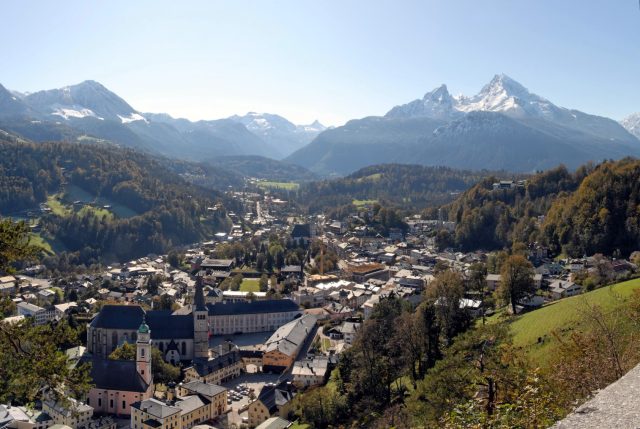
Safita is one of those rare places that feels untouched by time, nestled among the rolling hills of western Syria. It doesn’t clamor for attention like the country’s more famous destinations, where every corner has been polished smooth by tourism. Here, the quiet is broken only by the crow of roosters at dawn and the creak of ancient wooden doors swinging open into homes that have stood for centuries. Perched about four hundred meters above sea level, the town offers sweeping views of green valleys where vineyards and olive groves stretch out in neat, sun-drenched rows. There are no towering skyscrapers, no wide boulevards, no modern highways—just narrow, stone-paved streets winding between houses of pale limestone that glow golden in the sunlight.
The layers of Safita’s history run deep, and you can almost feel them beneath your feet. Founded by the Phoenicians, the town later became a strategic stronghold for the Crusaders, who built the fortress known as Chastel Blanc, or the White Castle. Its ruins still loom over the town, a silent reminder of the days when Safita was a key outpost between the coast and Syria’s interior. The Crusaders left behind more than just stone—they left stories. Locals whisper about hidden tunnels leading to secret water sources and lost treasures buried within the castle walls, though no one seems particularly concerned with finding them. Instead, they’re happy to show visitors the tangible remnants of the past: ancient churches, mosques with intricately carved minarets, and bustling markets where spices, olive oil, and hand-embroidered fabrics are still sold the old-fashioned way.
Life in Safita moves at the unhurried pace of the countryside. Mornings begin with the scent of fresh bread baking in communal ovens, and evenings stretch out on flat rooftops, watching the sun dip behind the hills. The town is home to both Christians and Muslims, communities that have lived side by side for generations, their coexistence woven into the fabric of daily life. You’ll hear Arabic spoken in the streets, but French lingers too, a remnant of colonial days, slipping effortlessly into conversation. There are no luxury hotels here, but those who stay longer often find themselves in family-run guesthouses, where hosts welcome travelers with warmth, pouring glasses of homemade wine from local vineyards and sharing stories about the town they love.
Safita isn’t a place for those seeking glamour or excitement. There are no trendy cafés, no designer boutiques, no nightlife to speak of. What it offers instead is something far more precious: a glimpse of Syria as it once was, before war and globalization reshaped it. The town doesn’t perform for visitors; it simply exists, quietly, stubbornly itself. Walking its streets, it’s easy to imagine the lives of those who came before—same worries, same small joys, same smells of spices and fresh bread hanging in the air. That’s why Safita lingers in the memory not as a flash of brilliance, but as a slow, quiet enchantment, unfolding like a flower in the sun.
Eat & Drink
0 placesNothing in this category yet — the catalogue is still growing.
All placesPlaces on the map
Marker colour follows the categoryClimate and weather
Detailed weather: Safita- Average temperature
- 21 °C
- Precipitation per year
- 842 mm
Average air temperature
°C
13
14
16
19
22
26
28
29
27
24
19
15
Jan
Feb
Mar
Apr
May
Jun
Jul
Aug
Sep
Oct
Nov
Dec