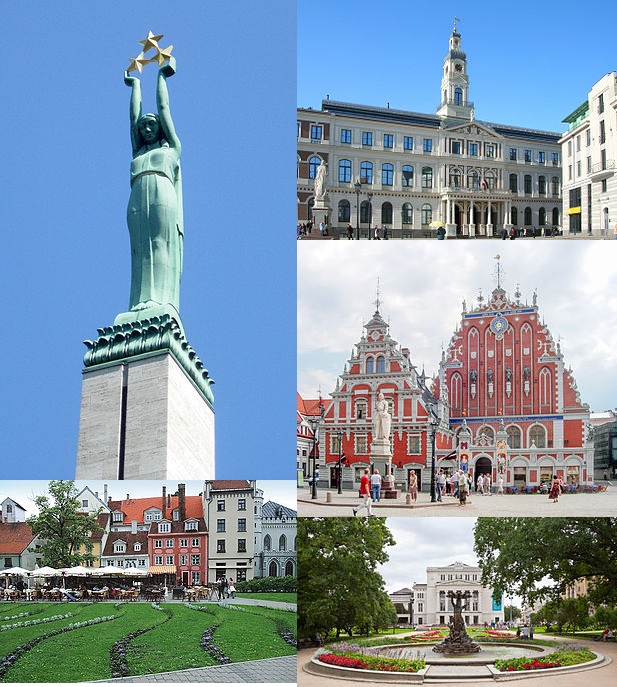
Weather overview
Riga’s weather shifts clearly with the seasons, offering a mix of crisp winters and mild summers. From December to February, Рига is wrapped in cold, with temperatures often hovering around 0 °C or below. Snow is common, but heavy accumulations are rare, making the city’s streets and parks quietly picturesque.
Spring arrives gradually in Рига, with March still chilly and April bringing the first signs of warmth. By May, the city shakes off winter’s grip, and outdoor cafés begin to fill. Summer in Риге is gentle, with June to August offering the most pleasant conditions—warm but rarely stifling, ideal for exploring the Old Town or strolling along the Daugava River.
Autumn in Риге is a season of change, with September still mild and golden, while October and November bring cooler air and more frequent rain. By December, winter returns, and the city prepares for the festive season under a soft blanket of snow.
Temperature
Winter in Риге is cold but not extreme, with average temperatures in January and February around -2.1 °C to -2.7 °C. Nighttime lows can drop to -5.2 °C, so layers are essential. The coldest days rarely fall below -10 °C, but the damp Baltic air can make it feel sharper.
Spring warms Ригу slowly, with March still near freezing and April climbing to +7.3 °C. By May, the city enjoys +12.3 °C on average, and the first truly warm days arrive. Summer peaks in July, when temperatures reach +19 °C, though occasional heatwaves can push daytime highs to +23.5 °C. Evenings remain cool, often around +14.5 °C, so a light jacket is useful.
Autumn cools Ригу steadily, with September still pleasant at +13.4 °C, while October drops to +7.7 °C. By November, temperatures fall to +2.7 °C, and the city prepares for winter’s return. The transition from summer to winter is smooth, with no sudden temperature swings.
| Month | Minimum | Maximum |
|---|---|---|
| January | -4.2 | 0 |
| February | -5.2 | -0.1 |
| March | -2.3 | 4.3 |
| April | 2.8 | 11.7 |
| May | 7.4 | 17.1 |
| June | 11.8 | 21 |
| July | 14.5 | 23.5 |
| August | 13.8 | 22.4 |
| September | 9.5 | 17.2 |
| October | 4.9 | 10.5 |
| November | 0.7 | 4.6 |
| December | -3 | 0.8 |
Precipitation
Рига sees rainfall year-round, but the pattern shifts with the seasons. Winter months like January and February bring modest precipitation—around 40 mm—often as snow or sleet. The driest period is March and April, with just 34.5 mm and 33 mm respectively, making these months some of the most comfortable for outdoor activities.
Summer in Риге is the wettest season, with July and August receiving the most rain—86.5 mm and 77.5 mm. Showers are frequent but usually brief, so they rarely disrupt plans for long. June and September also see higher rainfall, around 69 mm and 64.5 mm, but the warmth makes it less noticeable.
Autumn brings a mix of rain and cooler weather, with October being the wettest month at 81.7 mm. By November, precipitation decreases to 58.1 mm, but the combination of rain and dropping temperatures can make it feel damp. Snow returns in December, though heavy falls are uncommon.
| Month | Precipitation |
|---|---|
| January | 42.5 |
| February | 40 |
| March | 34.5 |
| April | 33 |
| May | 51.5 |
| June | 69.1 |
| July | 86.5 |
| August | 77.5 |
| September | 64.5 |
| October | 81.7 |
| November | 58.1 |
| December | 50.3 |
What to pack
For winter in Риге, pack warm layers: a insulated coat, gloves, and a hat are essential for temperatures around -2.1 °C to -2.7 °C. Waterproof shoes help navigate slushy streets, and thermal underwear can make the cold more bearable. A scarf is useful for the wind off the Baltic Sea.
Spring in Риге calls for versatile clothing. In March and April, a warm jacket and layers are still needed, but by May, lighter coats and long sleeves will suffice. An umbrella is handy for occasional showers, and comfortable walking shoes are a must for exploring the city’s cobblestone streets.
Summer in Риге is mild, so pack light, breathable fabrics for daytime temperatures around +19 °C. Evenings can be cool, so a light sweater or jacket is useful. An umbrella or raincoat is wise for summer showers, and sunglasses help with the long daylight hours. For autumn, layering is key—light jackets in September, warmer coats by November, and waterproof footwear for rain.


