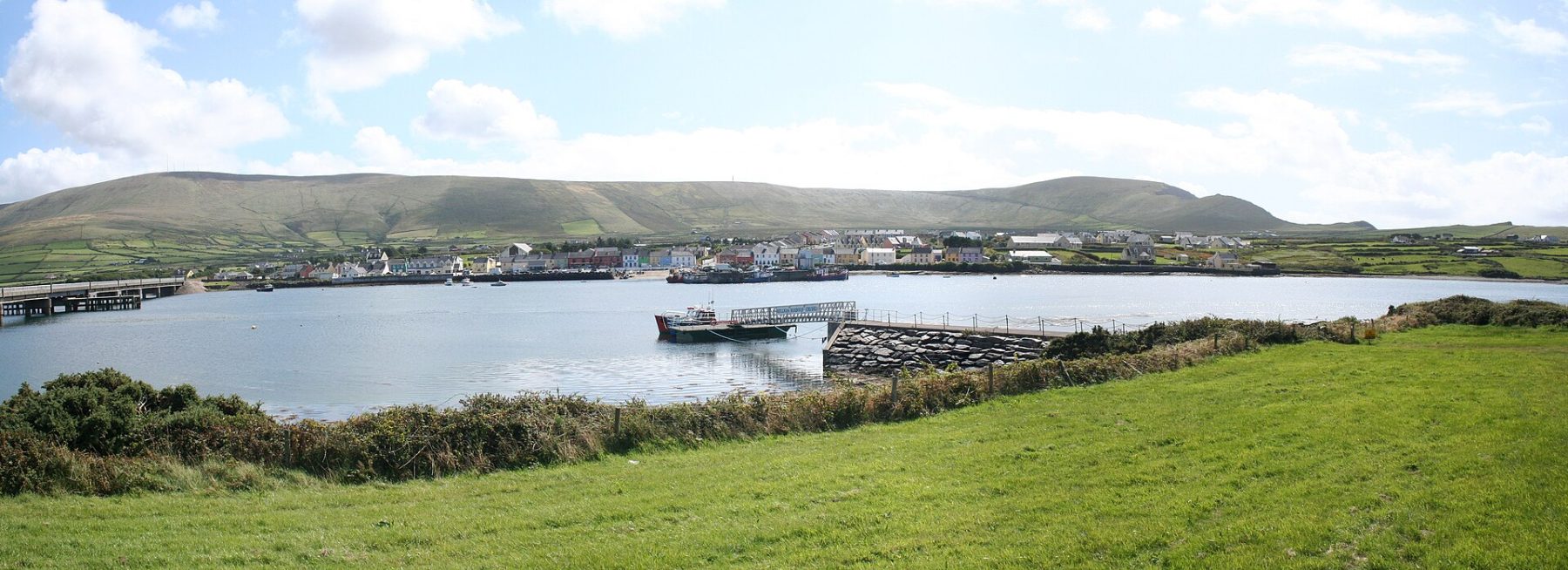
Port Magi
Ireland · 1 place
Photo: Ingo Mehling, CC BY-SA 3.0
Portmagee is a quiet corner of Ireland’s northwest coast where the Atlantic’s salt spray lingers in the air. The town sits along Donegal Bay, its narrow streets lined with stone cottages whose brightly painted doors catch the eye. There are no crowds here, no souvenir shops—just the steady rhythm of a fishing village that has endured for centuries.
The harbor wakes early. Boats unload their catch, and by afternoon, the day’s haul appears on plates in local pubs and cafés: oysters shucked to order, mussels steamed with garlic and white wine, fish so fresh it tastes like the ocean. The food is simple, prepared with care by those who’ve relied on the sea for generations. The ingredients need no embellishment.
The landscape beyond the harbor is wild. Cliffs drop into the bay, softened by heather and gorse. Winding roads pass lonely farms and ancient stone walls. Locals know the best spots—the lighthouse at Fanad Head, where the wind howls, or the ruins of old Celtic crosses in nearby villages, their carvings worn by time. For those who venture off the main roads, Portmagee reveals an Ireland without polish: rugged, windswept, and striking.
There are no grand museums here. What lingers is the feeling of the place—the light at dusk, the conversations in pubs that spill into the night, the sound of a fiddle. Strangers aren’t rushed, but if you show curiosity, someone might share where to find the best sunset or the coziest pub nook. The music isn’t performed; it’s just part of the evening, like the crackling peat in the hearth.
Winter quiets Portmagee further. Waves crash against the harbor walls, and the wind rattles pub windows where a few regulars swap stories over pints. Summer brings travelers—not crowds, but those who’ve come to escape noise. They walk empty beaches, climb cliffs for sea views, or sit with a book, listening to gulls. There are no luxury hotels, just guesthouses where owners serve homemade soda bread and point you toward hidden coves.
Portmagee isn’t for those who want excitement. It’s for those who seek a slower, older Ireland—one that exists beyond postcards. Here, the land and sea set the pace, and the people carry its stories. It’s not a place to check off a list, but a feeling to remember long after you’ve left.
Stay
0 placesNothing in this category yet — the catalogue is still growing.
All placesPlaces on the map
Marker colour follows the categoryClimate and weather
Detailed weather: Port Magi- Average temperature
- 11 °C
- Precipitation per year
- 1809 mm
Average air temperature
°C
8
8
8
10
12
14
16
16
14
12
10
9
Jan
Feb
Mar
Apr
May
Jun
Jul
Aug
Sep
Oct
Nov
Dec


