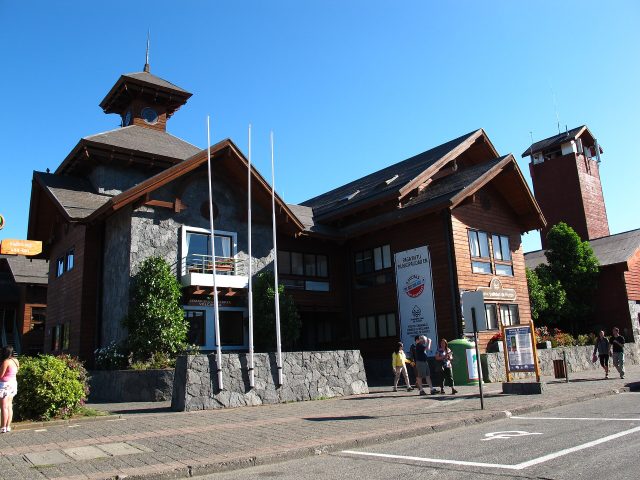
Pedro Juan Caballero
Paraguay · 8 places
Photo: Allexbcn, CC BY-SA 4.0
Pedro Juan Caballero
Pedro Juan Caballero sits on Paraguay’s northern edge, where the country meets Brazil. The border isn’t just a line on a map—it’s part of daily life. Portuguese mixes with Spanish in the streets, and cafés serve Brazilian pastries with Paraguayan tereré. The city grew around trade, and that energy remains. Markets are filled with goods from across the border, prices differ from the rest of Paraguay, and the town moves with the rhythm of a place built on exchange.
Life here follows the frontier’s pace.
Mornings begin with motorcycles and trucks crossing the border. By midday, streets fill with shoppers and locals drinking coffee or eating chipa. The *cabocleños* navigate a mix of cultures, languages, and currencies. On weekends, music plays in plazas, families picnic in nearby parks, and Lake Ypacaraí’s shores, a half-hour drive away, become a place to relax.
This isn’t the Paraguay most travelers expect. There are no colonial churches or luxury resorts, no landmarks drawing crowds. Instead, Pedro Juan Caballero has a different kind of appeal: a border town’s energy meets a provincial city’s ease. Evenings find friends sharing mate by the waterfront. Sundays bring churchgoers to pews. It doesn’t try to impress, and that’s why it works.
For those who prefer places without polish, Pedro Juan Caballero shows the real Paraguay. No tourist traps exist here—just the daily life of a city that trades but still enjoys small pleasures. Walk through markets where vendors sell electronics, leather goods, or textiles woven by hand. Nearby reserves protect the wilderness, offering trails and quiet spots where nature stands out. The city doesn’t pretend, and that’s what stays with you.
Eat & Drink
0 placesNothing in this category yet — the catalogue is still growing.
All placesPlaces on the map
Marker colour follows the categoryClimate and weather
Detailed weather: Pedro Juan Caballero- Average temperature
- 23 °C
- Precipitation per year
- 1243 mm
Average air temperature
°C
25
25
24
23
20
18
18
21
23
24
25
26
Jan
Feb
Mar
Apr
May
Jun
Jul
Aug
Sep
Oct
Nov
Dec