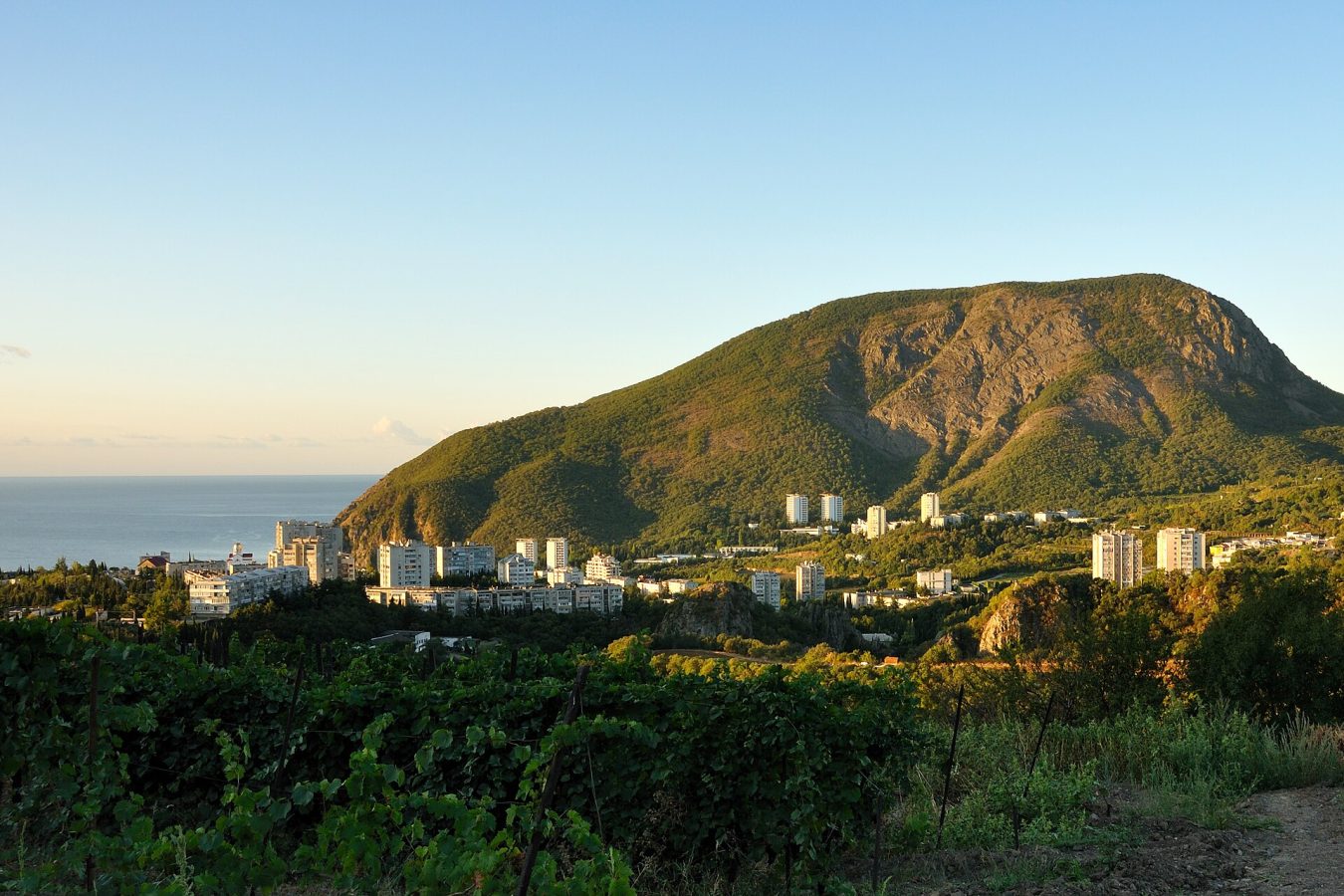
Partenit
Russia · 5 places
Photo: Andrey Legayev, CC BY 3.0
Partenit
Partenit is where the mountains lean into the sea. The cliffs of Ayu-Dag rise abruptly from the water, their slopes covered in pine and juniper. Below, the coast curves into small pebbled coves, and the only sounds are the surf and the cry of gulls.
This is Crimea’s quieter side—no high-rises, no neon, no crowds. The settlement sits between Yalta and Alushta but moves to its own rhythm. Locals call it Parthenit, though officially it’s part of Greater Yalta. The difference is immediate: here, the pace slows.
History in the landscape
The Tauri, an ancient people, once built sanctuaries on these slopes. Later, Greek settlers arrived, and by the Middle Ages, Parthenit was a center of Orthodox culture. The monastery is gone, but the Church of St. John the Goth remains—a small stone building on a hill, overlooking the sea. Its cypress trees and weathered walls have stood for centuries. The air smells of salt and wild herbs, and the light here feels older than elsewhere.
No resorts, just quiet
Parthenit has no sprawling hotels or amusement parks. Instead, there are guesthouses, cafés serving grilled fish and local wine, and beaches that stay peaceful even in summer. The shoreline is narrow, the water clear. The best coves are hidden, reached by narrow paths winding down from the village.
The hike up Ayu-Dag is steep but worth it. The trail cuts through pine and oak forests, and from the top, the mountain’s silhouette seems to dip into the sea. Along the way, you might see tortoises or wild thyme growing between the rocks.
Evenings and empty streets
In the evenings, locals sit by the waterfront with tea and cornelian cherry jam. The village has a few old dachas from the early 1900s, their gardens overgrown, their facades faded. The streets are narrow, leading to hidden coves where waves lap against the shore.
You can walk for hours without seeing anyone. Or sit on a rock and watch the sea. The rhythm here is different—slower, older.
For those who prefer stillness
Parthenit isn’t for nightlife or adrenaline. It’s for travelers who want to step away from the usual routes. The air smells of thyme and salt, and the stones underfoot carry centuries of history.
You could spend days walking the shore, listening to the waves, or visiting nearby places like the Nikitsky Botanical Garden or the ruins of Chersonesus. But the real draw is simpler: the quiet certainty that some places are meant to be savored slowly.
Eat & Drink
0 placesNothing in this category yet — the catalogue is still growing.
All placesPlaces on the map
Marker colour follows the categoryClimate and weather
Detailed weather: Partenit- Average temperature
- 13 °C
- Precipitation per year
- 526 mm
- Sunshine hours per day
- 7.4 h
Average air temperature
°C
2
3
6
11
16
21
24
24
19
13
8
4
Jan
Feb
Mar
Apr
May
Jun
Jul
Aug
Sep
Oct
Nov
Dec


