Ostroh
Ukraine · 8 places
Photo: Rbrechko, CC BY-SA 4.0
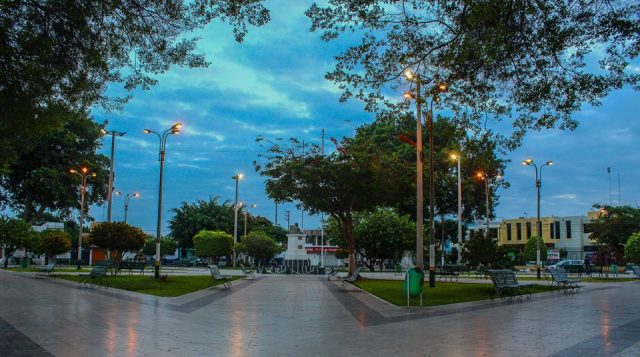
Ostroh is a medieval Volhynian town on the Vilija River, away from tourist crowds. Its cobblestone streets pass old churches and fortress walls, remnants of a time when it was a center of culture and learning in the Polish-Lithuanian Commonwealth. The town doesn’t shout—it waits, letting its stones, towers, and quiet corners tell their stories.
The castle and the hill
The castle stands on a hill above Ostroh. It has survived sieges and battles, now quiet except for visitors’ footsteps or wind in the leaves. Inside, the past is close: thick stone walls, faded frescoes, light through arched windows. Below, the Epiphany Church’s domes rise over rooftops, marking the town’s spiritual history. These two—castle and church—were strongholds of Orthodoxy and learning in uncertain times.
The first academy
The Ostroh Academy, founded in the late 1500s, was Ukraine’s first higher-education institution. It taught theology, philosophy, and classical studies, attracting scholars from across Europe. The academy made Ostroh a center of learning, where ideas moved as freely as the river. Today, the modern university keeps that spirit: old lecture halls and rare manuscripts still hold traces of past debates and discoveries.
Layers of history
The Jewish quarter’s synagogues and narrow houses show a time when Ostroh was home to a diverse community. Polish and Ukrainian traditions mix in the architecture and local life. Modern cafés and guesthouses fit into the old streets without breaking the rhythm. There’s no hurry here—just the chance to walk, look, and listen as different eras overlap.
Ostroh doesn’t perform. It doesn’t need to. The town is content in its quiet, its streets carrying centuries of weight. Wandering without a plan, you might peer into a hidden courtyard, hear the river, or watch the sunset touch the castle walls. Time moves slowly, and that’s why it stays with you. It’s a place to stop, breathe, and hear the past—not as something gone, but as something still speaking.
Eat & Drink
0 placesNothing in this category yet — the catalogue is still growing.
All placesPlaces on the map
Marker colour follows the categoryClimate and weather
Detailed weather: Ostroh- Average temperature
- 9 °C
- Precipitation per year
- 676 mm
Average air temperature
°C
-2
-1
3
9
15
20
20
20
15
10
3
-0
Jan
Feb
Mar
Apr
May
Jun
Jul
Aug
Sep
Oct
Nov
Dec