Oliva
Russia · 8 places
Photo: Kosun, CC0
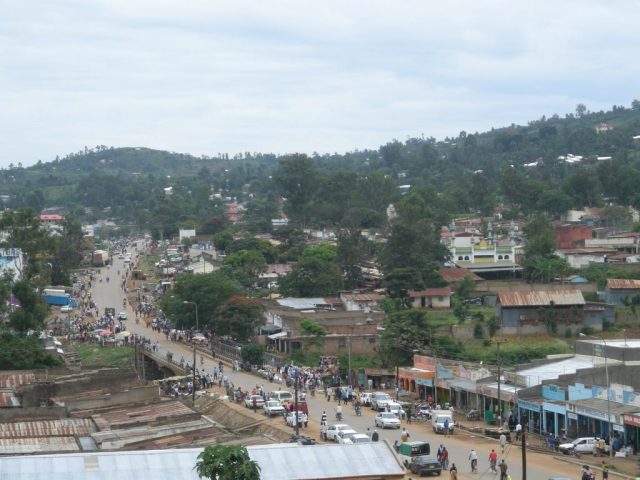
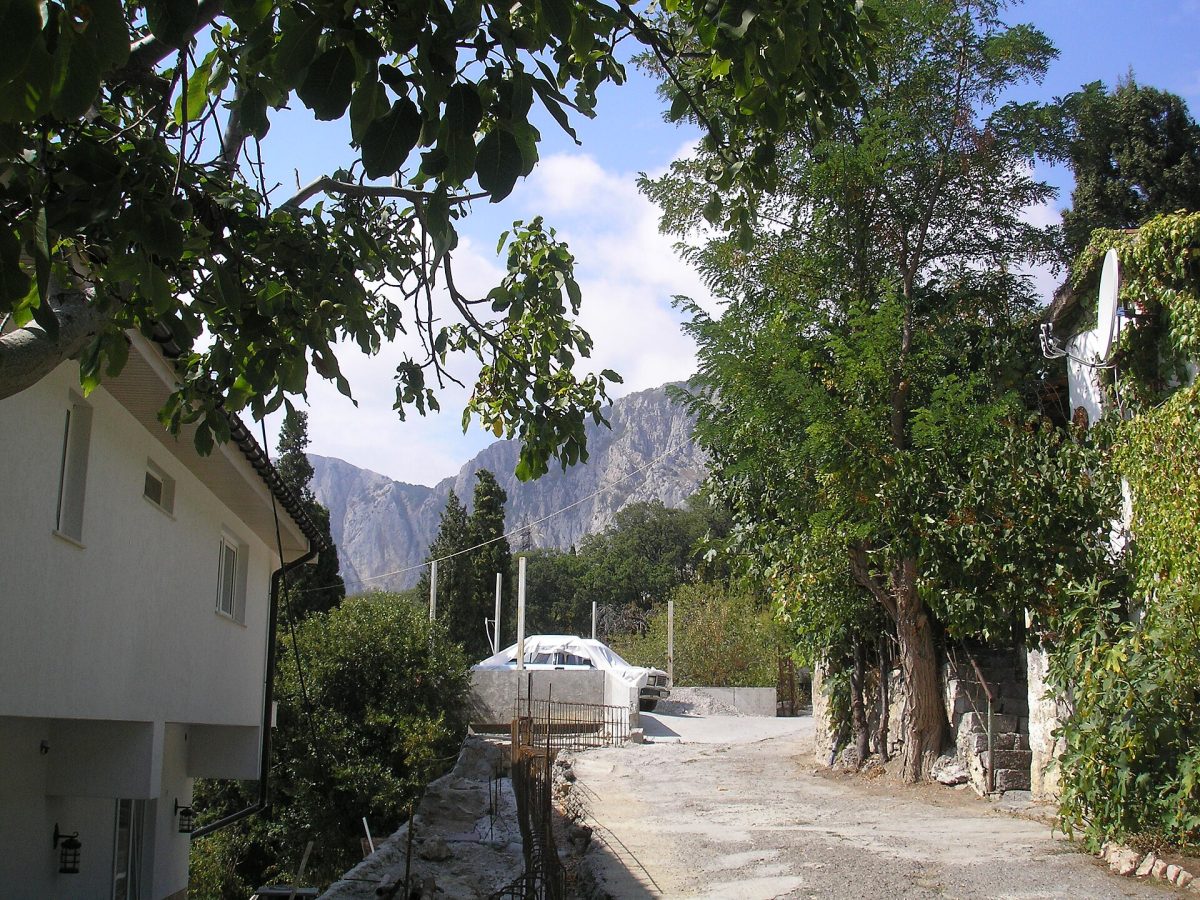
Oliva is one of those quiet Russian towns that most travelers overlook, tucked away in the foothills of the Caucasus where the vast steppes soften into rolling green hills. The air carries the scent of wild herbs and the cool dampness of the river, and the only sounds breaking the stillness are the cries of gulls overhead and the occasional rumble of a train on the old railway line. There’s no rush here, no crowded boulevards or tourist traps—just a slow, unhurried rhythm of life that feels like stepping into another era.
The town owes its existence to the river that gave it its name, and to the railway that arrived in the late 19th century, linking central Russia to the Caucasus. The settlement grew around the station, as they often did, and today the old railway building—with its high ceilings and worn wooden benches—still stands as a quiet monument to those days. Nearby, a handful of early 20th-century brick houses with carved window frames and a water tower hint at the town’s modest past. The local market is just as unassuming, selling simple goods like homemade cheese, honey, and dried fruit, the kind of things that haven’t changed in generations.
Life in Oliva moves to the pace of the seasons, not the clock. Summers are lush, with fruit trees sagging under their weight and watermelons so large they barely fit in a wheelbarrow. Autumn turns the hills into a patchwork of gold and crimson, the air so clear it feels like you could reach out and touch the mountains. Winters are mild, with snow that melts almost as soon as it falls, while spring brings the river to life, flooding the meadows until they resemble a shallow sea. The locals take it all in stride, knowing the water will recede and leave behind rich grass for their livestock.
There are no grand museums or architectural wonders here, and that’s precisely the point. Oliva isn’t a place you visit to check off landmarks—it’s a town where the real draw is the atmosphere. You can wander without a plan, strolling along the riverbank where old men play dominoes under the shade of plane trees, or stopping at a tiny café for tea from a samovar and a slice of pie still warm from the oven. Climb one of the nearby hills at sunset, and you’ll see the town bathed in soft pink light, the kind of quiet beauty that lingers in your memory long after you’ve left.
Oliva has no ambition to become a tourist hotspot, and that’s what makes it special. There are no chain hotels, just the option to rent a room from a local family who’ll feed you breakfast made from their own garden and share stories you won’t find in any guidebook. You could spend a weekend here, or just a day, stepping away from the noise of the world to listen to the silence. It’s not a place that dazzles with spectacle, but one that leaves you with a quiet sense of peace, as if you’ve just spent time with an old friend. The kind of place you don’t just visit—you return to.
Eat & Drink
0 placesNothing in this category yet — the catalogue is still growing.
All placesPlaces on the map
Marker colour follows the categoryClimate and weather
Detailed weather: Oliva- Average temperature
- 13 °C
- Precipitation per year
- 526 mm
- Sunshine hours per day
- 7.4 h
Average air temperature
°C
2
3
6
11
16
21
24
24
19
13
8
4
Jan
Feb
Mar
Apr
May
Jun
Jul
Aug
Sep
Oct
Nov
Dec