Olaria
Brazil · 1 place
Photo: Junius, Public domain
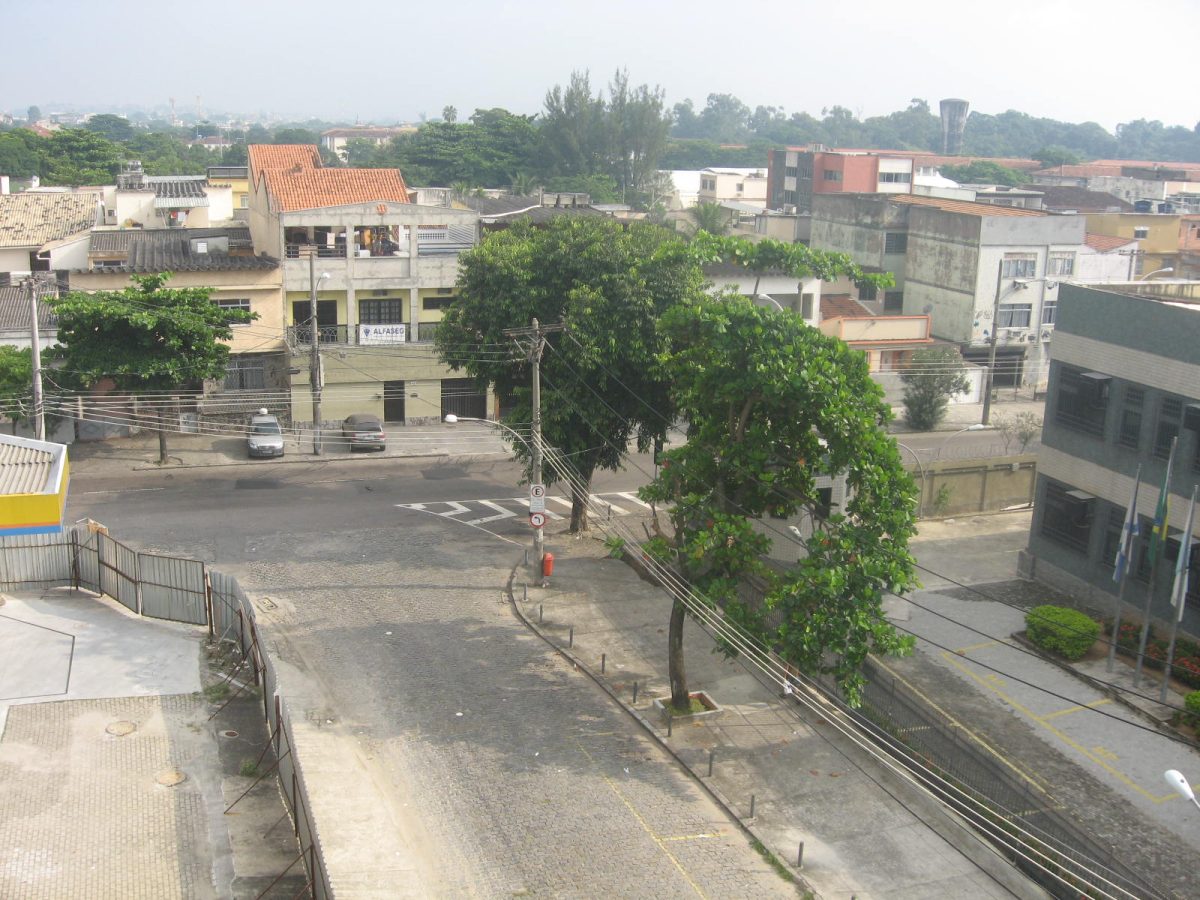
Olaria is the kind of Rio de Janeiro that most visitors never see, and even locals tend to overlook unless they call it home. Tucked away in the city’s northern reaches, it lacks the postcard-perfect beaches of Copacabana or the polished charm of Ipanema. Instead, it offers something far rarer in a bustling metropolis: a slower pace, an unfiltered authenticity, and the quiet rhythm of everyday life. This is a working-class neighborhood where the real energy isn’t on tourist-lined avenues but in the courtyards, markets, and small bars where people unwind after a long day’s work.
There are no luxury hotels here, no crowds of foreigners snapping photos. What you’ll find instead is the unvarnished heart of Brazil. Mornings bring the scent of fresh bread from corner bakeries, afternoons hum with the chatter of schoolchildren heading home, and evenings fill with music drifting from open windows and the easy laughter of neighbors gathered on stoops. Olaria is Rio without the gloss—its brightly painted houses, its makeshift soccer pitches where kids play until dusk, its century-old churches standing quietly as life unfolds around them.
The neighborhood’s main artery, Rua Cláudio Coelho, cuts through Olaria like a vein, connecting it to the rest of the city. This is where much of the local life happens: the small shops selling everything from groceries to household appliances, the pharmacies, the barbershops, and, of course, the bars. One of the most well-known is Bar do China, where you can try a classic pastel—crispy fried dough stuffed with savory fillings, made just the way locals love it. If you’re lucky, you might even catch an impromptu samba session, with musicians playing right on the sidewalk.
Olaria doesn’t try to impress outsiders, and that’s precisely what makes it special. There are no manicured parks or grand monuments here, but something far more meaningful: a strong sense of community. People know each other by name, greet one another on the street, and lend a hand when needed. On weekends, the neighborhood comes alive in its own understated way—improvised concerts on street corners, children playing hopscotch, elders sitting on benches swapping stories. This is Rio at its most human, far from the tourist brochures but closer to the city’s beating heart.
If you ever find yourself in Olaria, don’t rush. Wander the quiet side streets, stop by a local shop for fresh fruit, or linger over a strong cup of coffee at a café. You won’t find much here worth posting online, but you might just experience what draws so many to Brazil in the first place: the warmth of human connection and the simple joy of being alive. Olaria isn’t a place to check off a list—it’s a place to feel.
See & Do
1 place
Places on the map
Marker colour follows the categoryClimate and weather
Detailed weather: Olaria- Average temperature
- 24 °C
- Precipitation per year
- 880 mm
Average air temperature
°C
28
27
27
25
23
22
21
22
24
24
25
26
Jan
Feb
Mar
Apr
May
Jun
Jul
Aug
Sep
Oct
Nov
Dec


