Nukuʻalofa
Tonga · 8 places
Photo: Uhooep, CC BY-SA 4.0
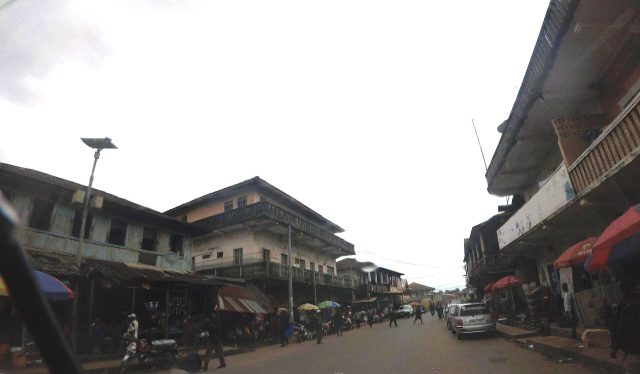
Nukuʻalofa isn’t just Tonga’s capital—it’s the quiet, beating heart of the kingdom, where time moves to its own unhurried rhythm. Stretched along the northern shore of Tongatapu, the country’s largest island, the city feels like a place where history hasn’t just been preserved but is still very much alive. Ancient Lapita stone platforms stand near colonial buildings that once welcomed the first European missionaries, while narrow streets lined with single-story homes under brightly painted roofs spill onto white-sand beaches. Fishing boats bob gently in the harbor, and the absence of skyscrapers makes room for something rarer: the royal palace, a 19th-century symbol of tradition and power, and Talamahu Market, where the air is thick with the scent of fresh breadfruit and the rustle of handwoven pandanus mats.
Life here follows the ocean’s tides and the changing seasons. Mornings begin with locals gathering along the waterfront to watch the sunrise, while fishermen return from night trips laden with tuna and mahi-mahi. By midday, the city slows to a standstill—siesta time, when even market vendors retreat into the shade of palm trees. But as evening falls, the streets come alive again: families spread out picnics on the sand, teenagers play rugby on dusty fields, and the hum of laughter and music drifts from small cafés. There’s no rush, and visitors quickly find themselves slipping into the same easy pace, letting go of schedules and deadlines.
Tonga is one of the few places where monarchy still holds real influence, and Nukuʻalofa wears that legacy visibly. The royal palace, a grand Victorian structure by the lagoon, is surrounded by lush gardens, though few get to step inside. Its presence alone is a reminder that here, tradition carries as much weight as law. Nearby, the ancient burial mounds of Tongan kings—called *langi*—rise like silent sentinels, older than many European cathedrals. On Sundays, the wooden church in the town square fills with worshippers dressed in *taʻovala*, woven skirts made from pandanus leaves, another nod to customs that have endured for centuries.
The city also serves as a gateway to Tonga’s wild beauty. From here, it’s easy to set off for coral reefs where humpback whales glide through the water during migration season, or to nearby islands where jungles hide caves and waterfalls. But even within Nukuʻalofa, the ocean is never far away. A walk along Haʻatafu Beach reveals waves crashing against black volcanic rocks, while Fangauta Lagoon draws flocks of birds at dawn. Locals take pride in the fact that Tonga is the only Pacific kingdom never colonized, and that spirit of independence lingers in the salt-tinged air.
What makes Nukuʻalofa special is what it doesn’t try to be. There are no crowds, no souvenir shops on every corner, no pushy tour guides. Instead, there are quiet corners where you can sit with a bowl of *kava*, the earthy drink made from ground pepper roots, and watch the sunset paint the sky in shades of pink and gold. The city won’t dazzle you with grand monuments or flashy attractions, but it leaves an impression precisely because it feels real—unpolished, unhurried, and utterly itself. And maybe that’s why those who visit once often find themselves coming back.
See & Do
All of them


Eat & Drink
All of them
Places on the map
Marker colour follows the categoryClimate and weather
Detailed weather: Nukuʻalofa- Average temperature
- 24 °C
- Precipitation per year
- 1918 mm
Average air temperature
°C
27
27
26
26
24
23
22
22
23
24
25
26
Jan
Feb
Mar
Apr
May
Jun
Jul
Aug
Sep
Oct
Nov
Dec