Nossa Senhora do Socorro
Brazil · 2 places
Photo: E-Sergipe, CC BY-SA 2.0
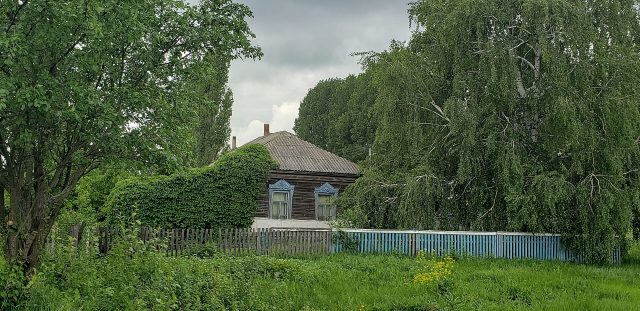
Nossa Senhora do Socorro is the kind of place most travelers overlook, and that’s exactly what makes it worth knowing. Just a short distance from Aracaju, the capital of Sergipe, it feels like a quiet pause in Brazil’s usual rhythm—a town where life moves at its own unhurried pace, where neighbors still greet each other by name, and where the past lingers in the weathered facades of old houses and the shade of mango trees heavy with fruit. There’s no rush here, no crowds jostling for space, no guides shouting over one another. Instead, there’s the easy hum of daily life, the kind that unfolds without fanfare.
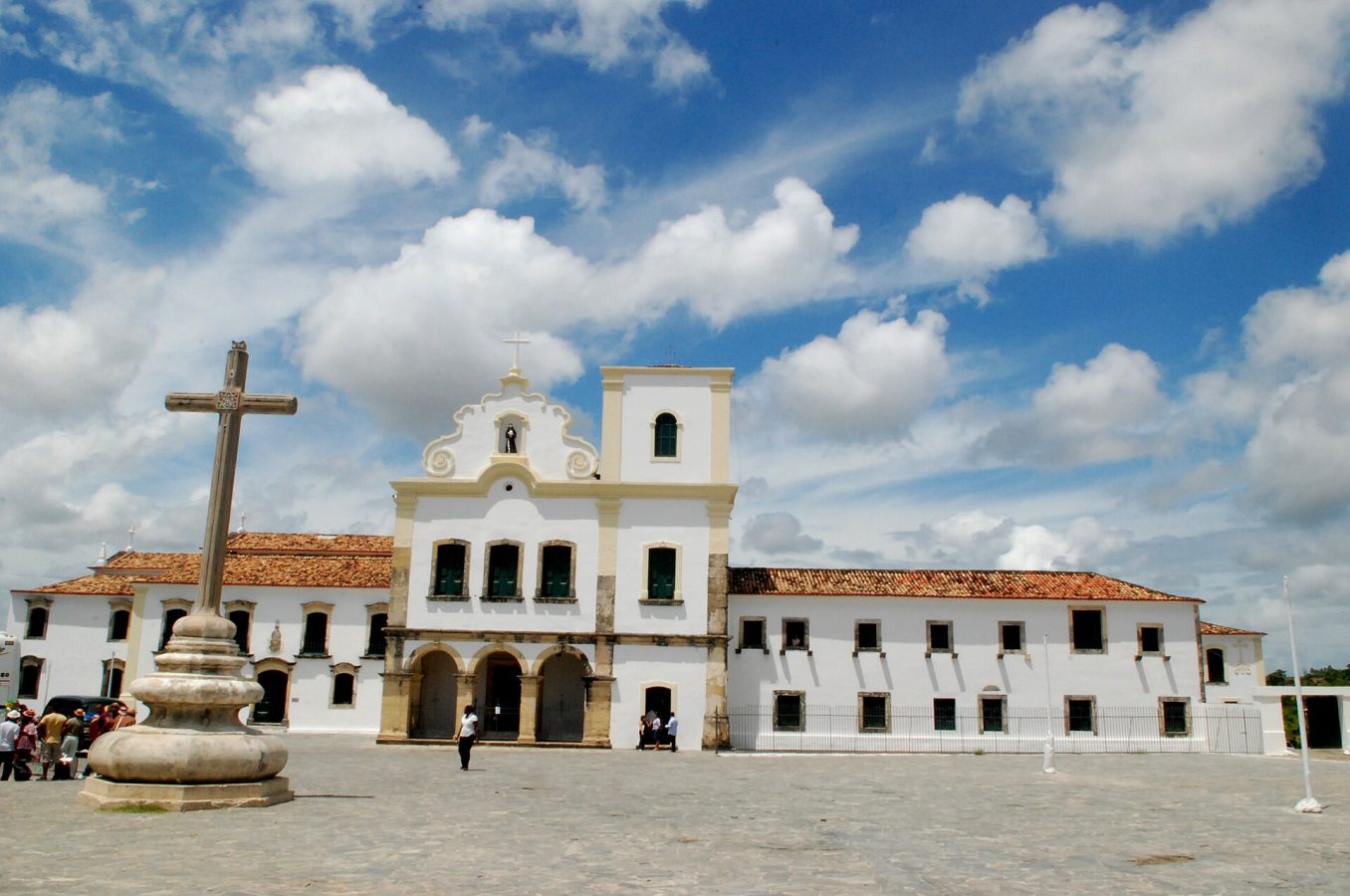
The town began in the early 1600s as a small settlement around a church dedicated to Nossa Senhora das Dores, the patron saint of its people. Over the centuries, it has grown and changed, but its heart remains in the historic center, where colonial-era buildings stand as quiet witnesses to the past. The architecture isn’t as grand as in Salvador or Olinda, but that only adds to its charm. The town’s 18th-century church still anchors the community, hosting everything from Sunday masses to lively festivals where the streets fill with music, the scent of grilled fish, and the kind of warmth that makes strangers feel like old friends. On those days, the whole town seems to gather, from the oldest residents to the youngest, all sharing in the simple joy of being together.
Beyond its streets, Nossa Senhora do Socorro opens the door to Sergipe’s natural beauty. The Vaza-Barris River, with its tangled mangroves, is just a short trip away, a world of shifting tides and hidden life. Local fishermen know the waterways best, and they’ll gladly take visitors out in their boats to spot herons, crabs, and even the occasional small alligator lurking in the shallows. The river’s colors shift with the light—deep greens, muddy browns, the occasional flash of silver—while the air carries the salt of the sea and the earthy scent of damp leaves. Nearby, the beaches stretch out in long, quiet arcs, lined with coconut palms and empty of the crowds that flock to Bahia’s more famous shores. Here, the ocean feels like a private discovery, a place to swim without the noise of resorts or the press of other bodies in the water.
Evenings in Nossa Senhora do Socorro have their own rhythm. As the heat of the day fades, the squares come alive with music—samba, forró, the occasional improvised jam session. Small cafés serve up the flavors of Sergipe: spicy moqueca, crab-filled pastries, or a sweet, frothy drink made from local fruit. The people here love to talk, and if you linger long enough, you’ll hear stories of the town’s past—how runaway slaves once found refuge in its backstreets, or how old crafts still survive in the hands of a few families. There are no world-class museums or flashy attractions, and that’s the point. What you’ll find instead is a place where Brazil feels real, untouched by the gloss of mass tourism. Time moves differently here, not in a hurry, but in a way that lets you settle in and notice the small things—the way the light falls on a crumbling wall, the laughter of children playing in the street, the quiet pride of a town that has always been content to be itself.
Eat & Drink
0 placesNothing in this category yet — the catalogue is still growing.
All placesPlaces on the map
Marker colour follows the categoryClimate and weather
Detailed weather: Nossa Senhora do Socorro- Average temperature
- 27 °C
- Precipitation per year
- 1289 mm
- Sunshine hours per day
- 7.4 h
Average air temperature
°C
28
28
28
28
27
26
25
25
26
27
27
28
Jan
Feb
Mar
Apr
May
Jun
Jul
Aug
Sep
Oct
Nov
Dec