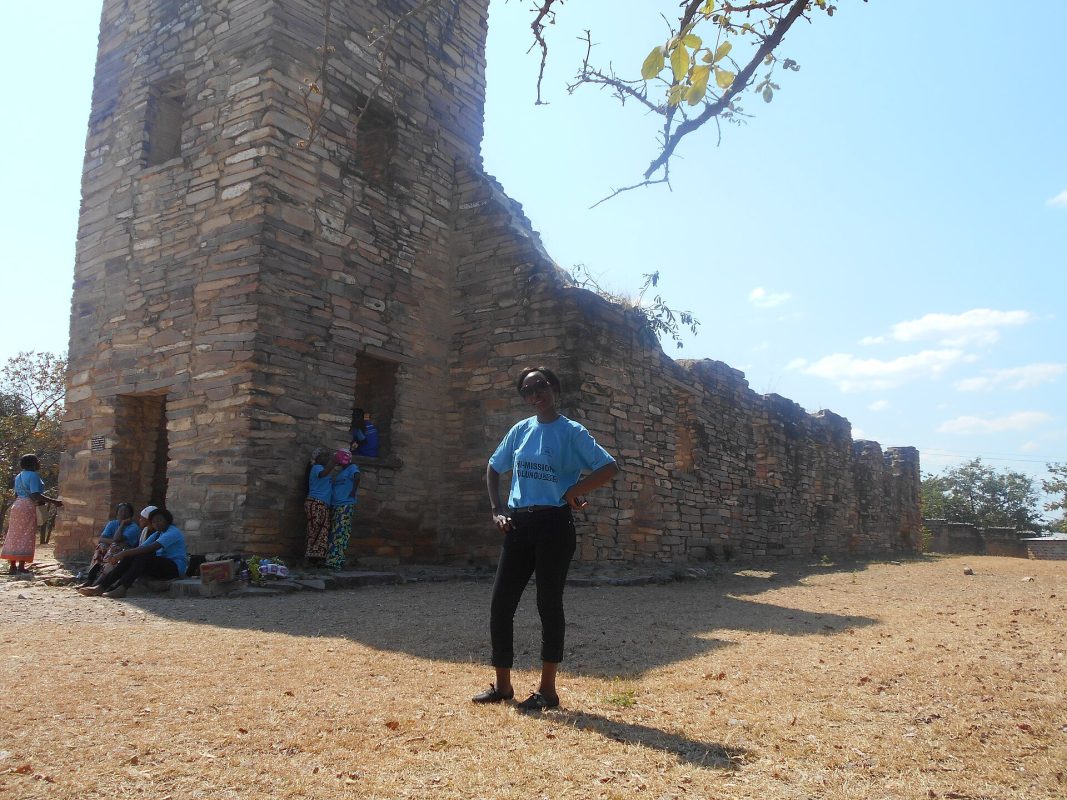
Weather overview
The weather in Mpulungu remains warm year-round, with temperatures rarely straying far from the mid-20s °C. However, the seasons here are defined less by temperature shifts and more by rainfall patterns. The town sits along Lake Tanganyika, where the climate is shaped by its tropical location and the lake’s moderating influence.
From November to April, Mpulungu experiences its wet season, with heavy rains transforming the landscape into lush greenery. The heaviest downpours typically occur in January and December, when humidity is at its peak. By contrast, the dry season runs from May to October, offering sunny skies and cooler evenings, especially in June and July.
Travelers to Mpulungu will find the most stable weather between August and September, when rainfall is virtually nonexistent, and temperatures hover around a comfortable +25.4 °C to +26.5 °C. This period is ideal for outdoor activities, though the earlier dry months also provide pleasant conditions with slightly lower humidity.
Temperature
Daytime temperatures in Mpulungu stay consistently warm, with highs ranging from +26.3 °C in January to +32 °C in September. The hottest months—August, September, and October—see averages above +31 °C, though the lake breeze often softens the heat. Evenings bring relief, with lows dipping to +18.4 °C in July, the coolest month of the year.
The transition between seasons is subtle, but the dry months bring slightly cooler nights. From May to August, temperatures drop to +18.4 °C to +20.6 °C after sunset, making it a refreshing contrast to the daytime warmth. By September, nights warm up again, aligning with the rising daytime highs.
While Mpulungu doesn’t experience extreme temperature swings, the combination of heat and humidity in the wet season can feel more intense. The dry months offer a more comfortable balance, with lower humidity and steady warmth, particularly from June to September.
| Month | Minimum | Maximum |
|---|---|---|
| January | 20.9 | 26.3 |
| February | 21.4 | 27.8 |
| March | 21.4 | 28 |
| April | 21.2 | 29 |
| May | 20.6 | 29.9 |
| June | 19.1 | 29.7 |
| July | 18.4 | 30 |
| August | 19.7 | 31.4 |
| September | 21.5 | 32 |
| October | 22.2 | 31.2 |
| November | 21.7 | 28.5 |
| December | 21.3 | 26.7 |
Precipitation
Rainfall in Mpulungu is highly seasonal, with nearly all of the year’s precipitation falling between November and April. January is the wettest month, averaging 284 mm of rain, followed by December with 259 mm. These months see frequent, heavy downpours, often in the late afternoon or evening, though mornings can still be bright and sunny.
The dry season, from May to October, is virtually rain-free, with June, July, and August recording no measurable precipitation. This period brings clear skies and lower humidity, making it the most popular time for visitors. The first rains typically return in November, marking the start of the wet season with sporadic showers that gradually increase in frequency.
Travelers should note that while the wet season can disrupt outdoor plans, it also brings Mpulungu’s landscapes to life. The lake and surrounding hills turn vibrant green, and the rain rarely lasts all day. For those who don’t mind occasional showers, the wet months offer a quieter, more lush experience of the region.
| Month | Precipitation |
|---|---|
| January | 284 |
| February | 95 |
| March | 185 |
| April | 96 |
| May | 13 |
| June | 0 |
| July | 0 |
| August | 0 |
| September | 0 |
| October | 28 |
| November | 176 |
| December | 259 |
What to pack
For a trip to Mpulungu during the dry season, lightweight, breathable clothing is essential. Pack loose-fitting shirts, shorts, and dresses to stay comfortable in the daytime heat, along with a light jacket or sweater for cooler evenings, particularly in June and July when temperatures can drop to +18.4 °C. A wide-brimmed hat and sunglasses will help shield you from the strong sun, while sturdy sandals or walking shoes are ideal for exploring.
If visiting during the wet season, waterproof gear becomes a priority. A compact rain jacket or poncho is useful for sudden downpours, and quick-drying clothing will help you stay comfortable in the humid conditions. Mosquito protection is also important year-round, but especially in the wetter months, so pack insect repellent and long-sleeved shirts for evenings.
Regardless of the season, don’t forget sunscreen and a reusable water bottle. The sun in Mpulungu is intense, even on cloudy days, and staying hydrated is key. If you plan to spend time near the lake, a swimsuit and water shoes are handy, while a small backpack will help carry essentials for day trips or hikes in the surrounding area.
| Month | Wind speed | Direction |
|---|---|---|
| January | 0.5 | 117 |
| February | 1 | 128 |
| March | 0.9 | 130 |
| April | 1.4 | 133 |
| May | 2.3 | 127 |
| June | 2.7 | 124 |
| July | 2.7 | 124 |
| August | 2.9 | 124 |
| September | 1.9 | 131 |
| October | 1 | 131 |
| November | 0.6 | 85 |
| December | 0.6 | 100 |
