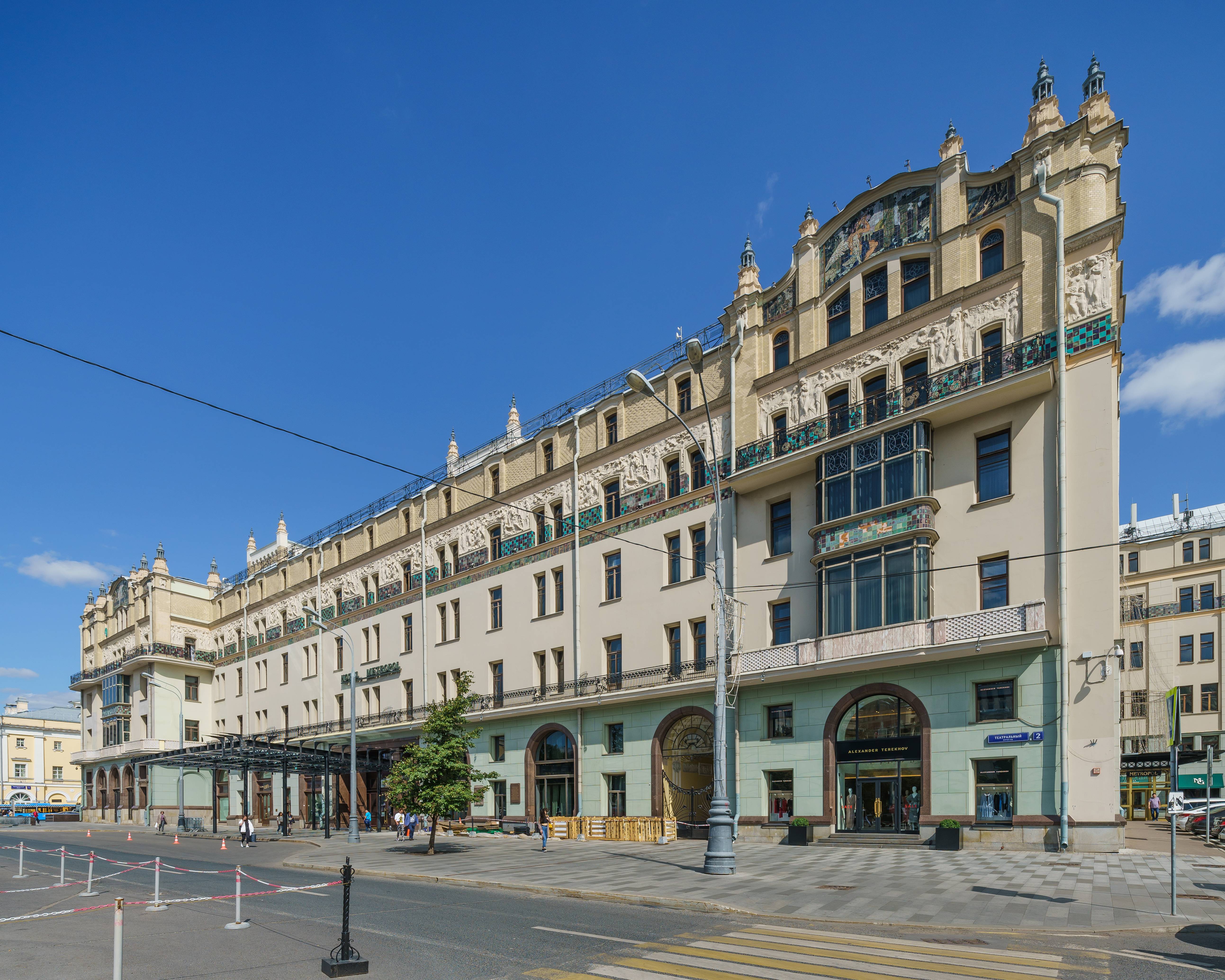
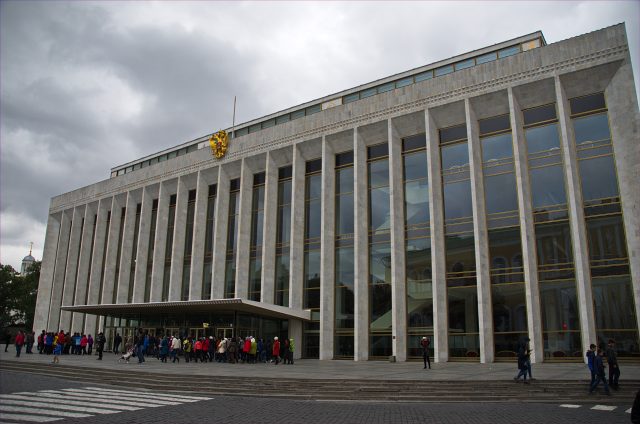
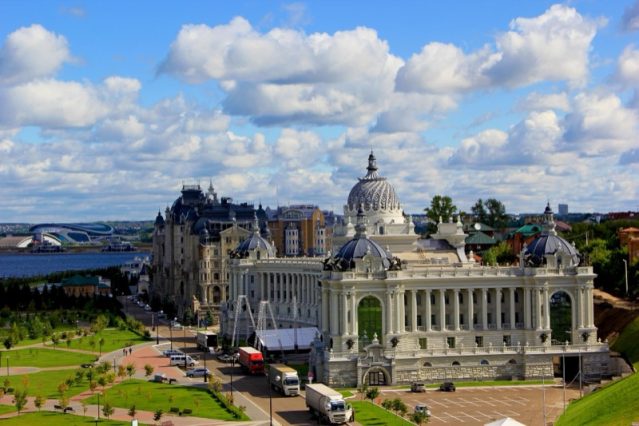
Moscow is a city where history is woven into everyday life. At the walls of the Kremlin and on Red Square, it is easy to imagine different eras of the Russian capital, but step just a little aside and you find busy streets, business districts, cafés, bookshops and metro stations through which huge numbers of people pass every day.
For a first introduction to the city, visitors often choose the center: Alexander Garden, Manezhnaya Square, the old lanes around Arbat, and the embankments of the Moskva River. Here Moscow reveals itself not as a set of separate landmarks, but as a layered urban space where grand facades stand alongside quiet courtyards, churches, theaters and buildings from different architectural periods.
Museums and stages are a separate part of the Moscow experience. The Tretyakov Gallery, the Pushkin Museum, the Bolshoi Theatre and many smaller venues make the city an important cultural center. At the same time, Moscow does not live only in the past: exhibition spaces, contemporary theaters, lecture halls and city festivals constantly change its rhythm and offer new routes even to those who have visited more than once.
In a large metropolis, places to pause are especially noticeable. Gorky Park, VDNH, Zaryadye, Sokolniki, Sparrow Hills and long waterside walking areas help you see a calmer side of Moscow. In moments like these, the city feels not only like a capital with heavy traffic and a businesslike pace, but also like a place where you can walk without a strict plan, notice the details and gradually get used to its scale.
Moscow takes time: it is hard to understand it in a single walk or one weekend. But that is exactly what makes it distinctive. It brings together state history, cultural memory, everyday energy and many districts with different characters. A trip here can therefore be both a classic introduction to the capital of
Russia and a personal discovery of a city that changes from one route to the next.


 Russian