- Home
- Afghanistan
- Mazar-i-Sharif

Mazar-i-Sharif
Afghanistan · 8 places
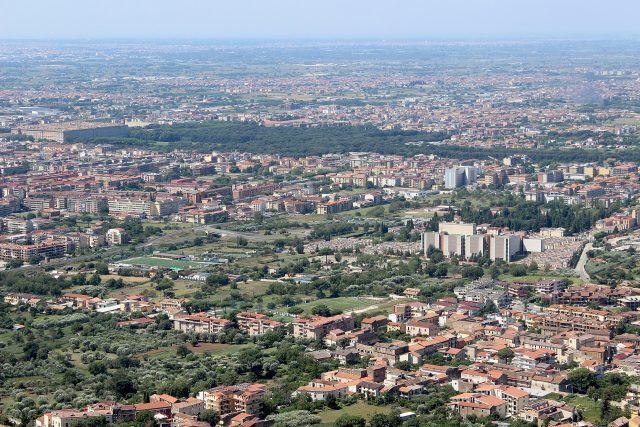
Photo: Wikimedia Commons, CC BY 2.0
Mazar-i-Sharif sits where the vast plains of northern Afghanistan begin to rise into the foothills of the Hindu Kush, a place where time feels suspended between centuries. The city has long been a spiritual heartland, drawing pilgrims and travelers with its deep-rooted traditions and a quiet resilience that has shaped its character through conquests, trade, and shifting empires. Here, history isn’t confined to museums or ruins—it lingers in the dust of the streets, the murmur of prayers, and the stories passed down through generations.
At the center of it all stands the Blue Mosque, known locally as the Shrine of Ali. According to tradition, it houses the remains of Ali ibn Abi Talib, the cousin and son-in-law of the Prophet Muhammad, though the site’s significance transcends any single belief. The mosque’s domes and minarets, clad in shimmering turquoise tiles, dominate the skyline, their brilliance softened by the lush gardens and courtyards within. Inside, the air hums with devotion—pilgrims circle the shrine, merchants sell sweets and trinkets, and elders recount tales of miracles tied to this place. Even without its religious weight, the architecture alone is striking, blending Persian, Central Asian, and Mughal influences into something entirely its own.
Life in Mazar-i-Sharif moves at the unhurried pace of a bazaar negotiation. The streets are a tapestry of tradition: men in loose trousers and embroidered caps, women in vibrant dresses beneath flowing chadors, their faces often veiled. Markets like Char-Chata pulse with energy, where deals are sealed over cups of tea and goods—spices, dried fruits, handwoven carpets—are haggled over with practiced ease. In summer, the scent of fresh naan, sizzling kebabs, and cardamom tea fills the air; in winter, smoke from braziers curls into the cold, mingling with the warmth of shared stories. Here, commerce is as much about connection as it is about trade.
The city’s past as a crossroads of the Silk Road is still visible in its bones. Centuries ago, caravans laden with silk, spices, and gemstones passed through these lands, linking China and India to Persia and beyond. Mazar-i-Sharif was a meeting point for merchants, scholars, and travelers, its old caravanserais now repurposed as inns or warehouses, their arched doorways whispering of a time when the world converged here. Beyond the city, the ruins of ancient settlements hint at layers of history still being uncovered, where archaeologists sift through the earth to piece together the lives of those who came before.
What makes Mazar-i-Sharif endure is its ability to hold onto the past without shutting out the present. Crumbling mud-brick homes stand beside glass-fronted buildings, donkey carts share the road with SUVs, and the call to prayer echoes over the hum of motorbikes. The city has weathered decades of upheaval, yet its essence remains—rooted in faith, trade, and the quiet rhythms of daily life. It doesn’t cling to nostalgia, nor does it rush toward the future. Instead, it simply exists, a place where the weight of history and the pulse of the present coexist, neither overshadowing the other.
Eat & Drink
0 placesNothing in this category yet — the catalogue is still growing.
All placesPlaces on the map
Marker colour follows the categoryClimate and weather
Detailed weather: Mazar-i-Sharif- Average temperature
- 18 °C
- Precipitation per year
- 208 mm
Average air temperature
°C
5
8
14
19
26
30
32
29
25
17
11
6
Jan
Feb
Mar
Apr
May
Jun
Jul
Aug
Sep
Oct
Nov
Dec