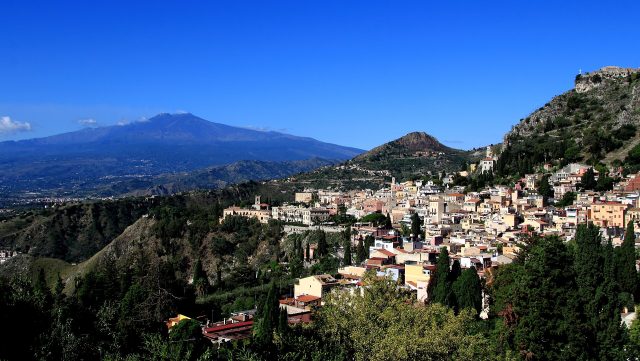
Matagalpa
Nicaragua · 8 places
Photo: MaSii, CC BY 3.0
Matagalpa sits nestled among Nicaragua’s central highlands, a place where time moves differently. The air carries the crispness of the mountains, and the streets wind between low-slung houses with terracotta roofs, their colors softened by years of sun and rain. There are no beaches here, no towering resorts—just the quiet rhythm of a town that has grown around its coffee fields and the people who tend them. Visitors don’t come for grand monuments or polished tourist experiences; they come because Matagalpa feels real, in a way that’s increasingly rare.
This is the heart of Nicaragua’s coffee country, and the evidence is everywhere. The hills surrounding the town are blanketed in plantations, where workers still harvest beans by hand, just as they have for generations. Small family-run roasteries dot the outskirts, filling the air with the rich, smoky scent of freshly toasted coffee. Some places let you watch the process—how the raw green beans darken and crackle in the heat, transforming into the deep, aromatic drink that fuels the country. The local coffee museum offers a glimpse into the history of cultivation, but the real story unfolds outside its walls, in the fields where farmers move between the rows, their hands quick and practiced.
Beyond the town, the landscape opens into something wilder. Nearby reserves and national parks shelter rare birds, butterflies with wings like stained glass, and even the occasional puma. Trails wind through forests to hidden waterfalls, their paths worn smooth by centuries of use—first by indigenous communities, now by hikers and locals alike. One of the most rewarding routes leads up Cerro Apante, a mountain crowned with an ancient shrine. The climb is steep, but the view from the top makes it worth every step: on clear days, the horizon stretches so far it feels like you can see half the country.
Matagalpa doesn’t try to impress. There are no crowds, no souvenir stalls hawking trinkets, no guides competing for attention. Instead, there are small bakeries serving warm pastries, markets piled high with tropical fruit, and churches whose weathered facades tell stories of decades gone by. The colonial-era buildings in the center aren’t preserved as relics; people still live in them, their lives spilling out onto the sidewalks in the form of laundry strung between balconies and children kicking soccer balls in the plazas. It’s this everydayness that gives the town its charm—no pretense, just life as it’s lived.
The pace here is unhurried, almost deliberate. Mornings begin with the crow of roosters and the rumble of motorcycles, while afternoons bring vendors pushing carts of fresh bread and ripe mangoes. By evening, the streets grow quiet, the only sounds the occasional laughter from a family gathered outside or the distant hum of a radio. There’s no rush, whether it’s in the way people linger over coffee or the measured rhythm of work on the plantations. For anyone weary of the relentless energy of big cities, Matagalpa offers something simpler: a place to pause, to breathe, and to realize that sometimes the best journeys are the ones where nothing extraordinary happens at all.
See & Do
7 places

Places on the map
Marker colour follows the categoryClimate and weather
Detailed weather: Matagalpa- Average temperature
- 21 °C
- Precipitation per year
- 1051 mm
Average air temperature
°C
19
20
21
22
23
21
21
22
22
21
20
20
Jan
Feb
Mar
Apr
May
Jun
Jul
Aug
Sep
Oct
Nov
Dec