- Home
- Bosnia and Herzegovina
- Marichka

Marichka
Bosnia and Herzegovina · 7 places
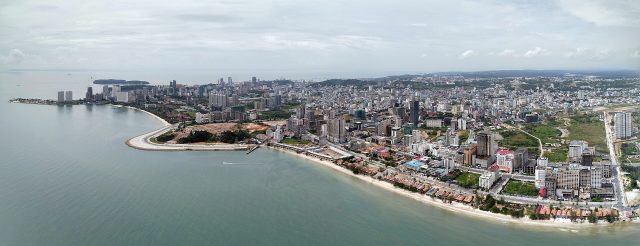
Photo: Aleksandramaricphotography, CC BY-SA 4.0
Marička is one of those quiet Bosnian towns that most travelers pass by without a second thought. Tucked away in the heart of the country, it sits along the banks of its namesake river, where the water runs so clear you can see the stones shifting beneath the surface. The streets slope gently toward the water, lined with red-tiled houses that seem to lean into the current. Time moves differently here—unhurried, almost reluctant to disturb the rhythm of the place. The surrounding hills are thick with forests, their shadows stretching long in the afternoon light, and the air carries the scent of damp earth and pine.
The river has always been the town’s lifeline. Centuries ago, mills dotted its banks, and fishermen would push their boats into the water before dawn. Today, the river still shapes daily life. In summer, its shores become a gathering place—families spread out blankets, teenagers strum guitars, and old men play chess under the willows. When winter comes, the water slows to a crawl, then stills entirely, and the town seems to hold its breath. The cold sharpens the silence, broken only by the crackle of firewood in a café stove, where someone is always ready to pour you a cup of strong Bosnian coffee and pull up a chair.
Marička doesn’t have grand cathedrals or crumbling fortresses. What it does have is a low stone bridge where couples linger in the evenings, a small mosque with a slender minaret that catches the last light of the day, and a handful of Austro-Hungarian buildings in the center, their facades still bearing the delicate plasterwork and carved shutters of another era. The streets are quiet, but if you wander them, you’ll find a potter at work in his studio or a shop selling honey and homemade cheese. There’s no pretense here, no attempt to impress—just the slow, unvarnished pulse of a place that has always been this way.
Mornings start with the smell of fresh bread from the local bakeries, warm and yeasty in the cool air. By midday, the town dozes—shops close for a long lunch, the squares empty, and the only sounds are the river and the occasional bark of a dog. But as the sun dips behind the hills, the streets come alive again. Music spills from café terraces, laughter mixes with the sizzle of grilled meat, and the scent of spices lingers in the air. Locals stroll along the riverbank, stopping to chat with neighbors, their conversations unhurried, their gestures relaxed. There’s no rush here, and after a day or two, that rhythm starts to feel like your own.
Beyond the town, the landscape opens up. A short drive away, the mountains rise, their slopes covered in forests that shift with the seasons—cool and green in summer, aflame with red and gold in autumn. In winter, they become a quiet refuge for skiers, with empty trails and no lines for the lifts. Marička isn’t a destination in itself, but it’s the kind of place that makes a perfect base for exploring the real Bosnia, the one that exists beyond the usual tourist routes.
There are no luxury hotels here, just small guesthouses where the owners treat you like an old friend. Meals are simple but unforgettable—čevapi sizzling on the grill, slow-cooked plov, flaky pies stuffed with cheese or meat, and coffee so strong it could wake the dead. The town doesn’t try to be anything it’s not. It doesn’t need to. It’s just Marička—a quiet, unassuming place that, if you’re lucky enough to find it, will stay with you long after you’ve left.
See & Do
7 places
Places on the map
Marker colour follows the categoryClimate and weather
Detailed weather: Marichka- Average temperature
- 13 °C
- Precipitation per year
- 920 mm
- Sunshine hours per day
- 6.1 h
Average air temperature
°C
2
6
9
13
17
23
24
24
18
13
8
4
Jan
Feb
Mar
Apr
May
Jun
Jul
Aug
Sep
Oct
Nov
Dec