- Home
- Equatorial Guinea
- Malabo

Malabo
Equatorial Guinea · 4 places
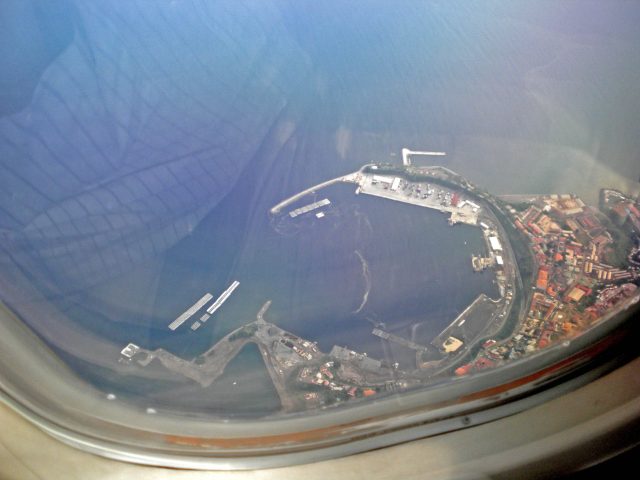
Photo: Ipisking at English Wikipedia, CC BY-SA 3.0
Malabo sits where time seems to pause, perched on the northern edge of Bioko Island where the Atlantic crashes against dense rainforest. The city feels like a place caught between eras—crumbling Spanish colonial facades line narrow streets in the old Santa Isabel quarter, while glass-and-steel office towers rise along broad avenues, funded by the oil wealth that now drives the economy. The contrasts are everywhere: hillside mansions overlook modest neighborhoods where vendors sell fresh fish and tropical fruit straight from the pavement. There’s no rush here, just the quiet rhythm of a city that moves at its own pace.
Founded by the British in the early 1800s as a slave-trading post, Malabo soon fell under Spanish rule, becoming the administrative heart of the colony. That legacy lingers in the language, the food, and even the way people greet each other—Spanish phrases slip into conversation as easily as the scent of grilled plantains from street stalls. Yet the city hasn’t lost its African roots. Markets overflow with palm wine and exotic produce, and at dusk, the air fills with the pulse of local music. It’s a place where two worlds coexist, neither fully erasing the other.
Life in Malabo unfolds slowly, especially in the center where the pace feels almost deliberate. There’s no metropolitan frenzy, just the unhurried pleasure of sitting under a tree in Independence Square, sipping coffee in a corner café, or watching the ocean from the waterfront. But the city isn’t stuck in the past. Oil money has brought change—new neighborhoods with modern apartments and shopping centers spring up almost overnight. Still, the city retains its character, refusing to become just another polished capital.
The wild beauty of Bioko Island is never far away. A short drive from the city center, the rainforest takes over, home to rare birds and monkeys. Black volcanic beaches stretch along the coast, where waves crash against jagged rocks. The island is one of the greenest places in Equatorial Guinea, and Malabo makes a perfect base for exploring its national parks and reserves. Hiking trails lead to hidden waterfalls, and the towering Pico Basile volcano looms over the city like a silent guardian, its slopes covered in mist.
Malabo doesn’t try to impress. There are no luxury resorts or tourist traps, no crowds jostling for the perfect photo. What it offers instead is something rarer: a glimpse of Africa untouched by mass tourism, where life carries on as it always has. It’s a city for those who want more than just sights—they come for the atmosphere, the unpredictability, the sense of stepping into a place that exists on its own terms.
See & Do
4 places


Places on the map
Marker colour follows the categoryClimate and weather
Detailed weather: Malabo- Average temperature
- 27 °C
- Precipitation per year
- 3190 mm
- Sunshine hours per day
- 4.1 h
Average air temperature
°C
28
28
28
28
27
26
26
26
26
26
27
28
Jan
Feb
Mar
Apr
May
Jun
Jul
Aug
Sep
Oct
Nov
Dec


