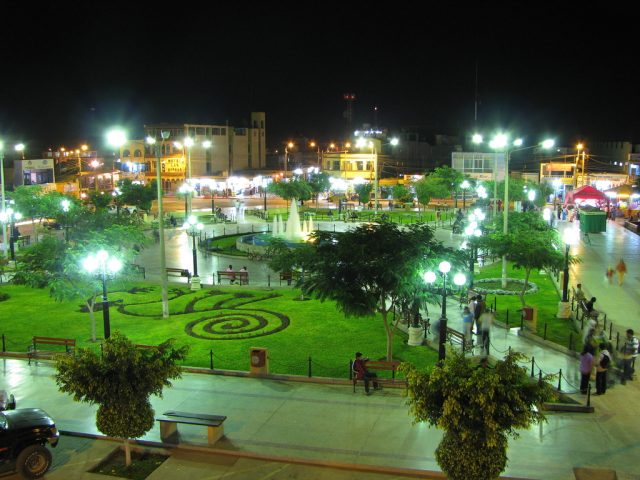
Livingston
Guatemala · 8 places
Photo: MacAllenBrothers', CC BY-SA 2.0
Livingston is a place where the jungle meets the sea. Tucked along Guatemala’s Caribbean coast, it stands apart from the rest of the country—no colonial plazas or Spanish architecture, just the traditions of the Garifuna people, a blend of African, Indigenous, and Caribbean roots. The town sprawls along the Amatique Bay, where the Río Dulce spills into the ocean, creating a landscape of mangroves, sandy coves, and green hills. There are no roads here; the only way in is by boat, which keeps it quiet, as if it exists only for those who arrive.
The Garifuna people, descendants of escaped African slaves and Indigenous Caribs, speak their own language. They cook with coconut and plantains, and in the evenings, punta drums set the rhythm. Wooden houses on stilts line narrow streets. Markets sell fresh fish and tropical fruit. Fishermen return at dusk with their catch while kids play in the shallows. A day spent watching the light change over the water is enough.
Beyond the town, the wilderness begins. Boats head to Río Dulce National Park, where mangrove tunnels twist into hidden channels. Crocodiles and herons live here, and hot springs bubble up from the earth. Lake Izabal stretches into the jungle, its shores home to howler monkeys and toucans. Livingston isn’t a place you find by accident. It’s for those who want to see Guatemala without crowds, where the only plan is your own.
The town has its own rhythm. Mornings smell of salt and fried plantains. Evenings bring a mist that softens the edges of the bay. Small cafés serve gumbo, a seafood stew made the same way for generations. Bars pour rum infused with local herbs. Livingston doesn’t try to impress—it just is. That’s why visitors rarely leave the same. There’s no spectacle, no polished charm, just the sense that time here moves differently.
See & Do
All of them

Places on the map
Marker colour follows the categoryClimate and weather
Detailed weather: Livingston- Average temperature
- 26 °C
- Precipitation per year
- 3411 mm
Average air temperature
°C
24
25
26
27
29
28
27
28
27
27
25
24
Jan
Feb
Mar
Apr
May
Jun
Jul
Aug
Sep
Oct
Nov
Dec