- Home
- Lake Malawi
- Lilongwe

Lilongwe
Lake Malawi · 4 places
Photo: Felixfeld, CC BY-SA 3.0
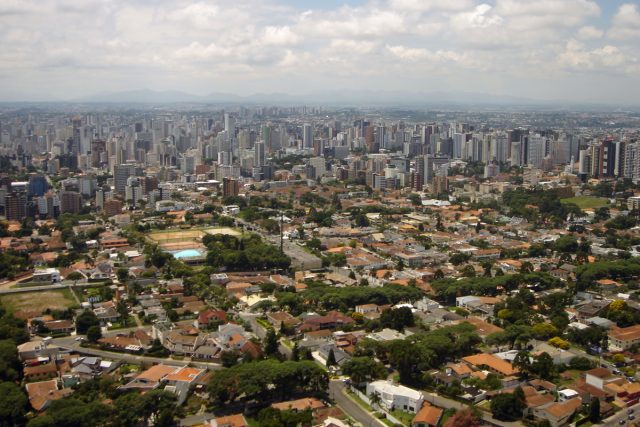
Lilongwe doesn’t reveal itself all at once. It’s not the kind of capital that announces its presence with neon lights or crowded streets, but a city that moves at the pace of the river it’s named after. Spread across rolling hills in central Malawi, its streets carry the quiet rhythm of the savanna that begins just beyond its edges.
The city is split in two. Old Town has narrow lanes, tin-roofed houses, and markets. The newer part has modern buildings and shopping centers against the skyline. Even here, life unfolds unhurriedly, shaped by the country’s easygoing pulse.
Old Town feels like a place where time has slowed. Cobbled streets wind past stalls with mangoes, tomatoes, and dried fish. Their scents mix with woodsmoke and spices. The air hums with the chatter of vendors and the laughter of children darting between crowds. Kapiri Market is the center of it all—a maze where you can find handwoven baskets, live chickens, herbal remedies, and beaded jewelry. People haggle, share stories, or watch the world go by.
In the newer part of Lilongwe, the city’s modern face emerges. Government offices, banks, and international agencies line wide boulevards. Malls have locally grown coffee and imported gadgets. Office workers drink tea in sidewalk cafés, greeting acquaintances with a nod. By evening, the streets grow quiet. Crickets chirp, and a dog barks in the distance.
Lilongwe isn’t a city of grand monuments or ancient ruins. Its charm lies in how it balances the old and the new. You might wander through a market in the morning, listening to a trader’s stories. By sunset, you could be in a dimly lit bar, watching the sky turn gold over the hills.
The city is surrounded by nature. The Lilongwe River flows just beyond its borders. Wildlife reserves offer glimpses of elephants, antelope, and lions. Even within the city, trees shade sidewalks, flowers spill from courtyard walls, and birdsong fills the air at dawn.
Most travelers pass through Lilongwe on their way to Malawi’s lakes or national parks. Those who stay longer find a city that doesn’t perform for visitors. There are no tourist traps or aggressive guides. Instead, there’s space to wander, observe, and let the city’s quiet energy seep in. Lilongwe doesn’t try to impress. It simply exists.
Stay
0 placesNothing in this category yet — the catalogue is still growing.
All placesPlaces on the map
Marker colour follows the categoryClimate and weather
Detailed weather: Lilongwe- Average temperature
- 21 °C
- Precipitation per year
- 851 mm
Average air temperature
°C
22
22
22
21
19
17
17
19
22
24
24
23
Jan
Feb
Mar
Apr
May
Jun
Jul
Aug
Sep
Oct
Nov
Dec