Lebane
Serbia · 8 places
Photo: Wikimedia Commons, CC BY-SA 3.0
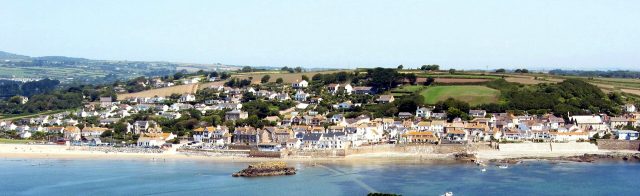
Lebane is one of those quiet places where time moves at its own pace, untouched by the rush of modern life. Tucked away in southern Serbia, in the gentle valley of the Jablanica River, it’s a town where the landscape feels almost untamed—rolling hills covered in vineyards and orchards slope down to the water, and the air carries the scent of earth and ripening fruit. There are no crowds here, no tourist traps, just narrow streets lined with old houses, their red-tiled roofs weathered by years of sun and rain. People still greet each other like neighbors, even if they pass by every day, and the rhythm of life follows the seasons rather than the clock.
For those who want to experience Serbia beyond its cities, Lebane is a perfect starting point. The surrounding countryside holds secrets that have drawn visitors for centuries, like the thermal springs that bubble up from deep underground. Locals will tell you stories about their healing properties, some dating back to Roman times, and if you’re lucky, they might even point you toward a hidden pool where warm mineral water flows straight from the earth. Summer is the best time to visit—spend a day soaking in the springs, then spread out a picnic with bread fresh from the village bakery and a bottle of homemade wine. The food here is simple but unforgettable, made from ingredients grown just down the road.
History lingers in the hills around Lebane, where the ruins of old fortresses stand as silent witnesses to the region’s past. One of the most striking is Gradiste, perched on a hilltop with sweeping views of the valley below. From here, you can see the Jablanica winding through the landscape, its banks lined with willows, and on clear days, the distant mountains blur into the horizon. Walking up to these ruins isn’t just about stepping back in time—it’s a chance to breathe in the quiet, to listen to the wind rustling through the grass, and to realize how little the land has changed over the centuries. The stones may be crumbling, but the view is as alive as ever.
Traditions run deep in Lebane, where festivals and daily life are still shaped by customs passed down through generations. If you visit during one of the local celebrations, you might see villagers in embroidered costumes dancing the kolo, their movements as natural as the rhythm of the music. The air fills with the smell of grilled meat and freshly baked bread, and the market becomes a lively gathering place where farmers sell produce straight from their fields. Grandmothers set up stalls with jars of honey, homemade cheese, and jams made from fruit picked that morning. There’s no hurry here—just the slow, unspoken understanding that some things are worth preserving.
Lebane won’t dazzle you with luxury or high-end attractions, but that’s exactly what makes it special. There are no grand hotels or trendy restaurants, just the kind of authenticity that’s hard to find these days. It’s a place for those who prefer the quiet hum of nature to the noise of crowds, where a walk along the river or a conversation with a local can feel more rewarding than any guided tour. Spend a few days here, and you’ll start to notice the small things—the way the light softens over the hills at dusk, the sound of the river lapping against the banks, the unhurried pace of life that lets you breathe. Sometimes, the most memorable experiences aren’t about seeing everything, but about feeling something real. And in Lebane, that feeling is still very much alive.
Stay
0 placesNothing in this category yet — the catalogue is still growing.
All placesPlaces on the map
Marker colour follows the categoryClimate and weather
Detailed weather: Lebane- Average temperature
- 13 °C
- Precipitation per year
- 642 mm
- Sunshine hours per day
- 5.5 h
Average air temperature
°C
1
5
8
13
17
22
24
24
19
13
8
4
Jan
Feb
Mar
Apr
May
Jun
Jul
Aug
Sep
Oct
Nov
Dec