Kungur
Russia · 9 places
Photo: Владимир Чуприков / reworked by A.Savin, CC BY-SA 4.0
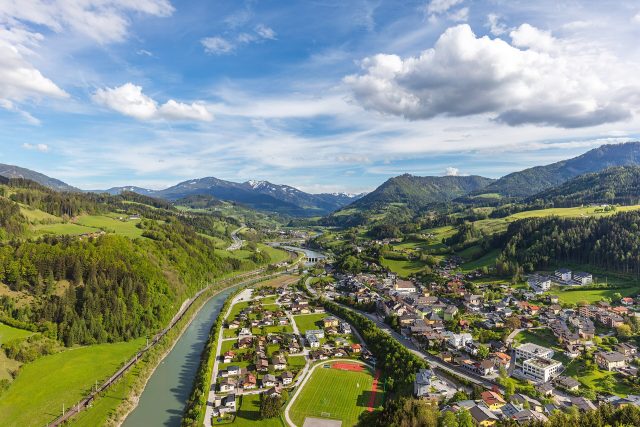
Kungur is one of those rare places where time seems to have settled into a quiet, unhurried rhythm. The city sits along the banks of the Sylva River, its low wooden houses with intricate window carvings and sturdy merchant mansions standing as if untouched by the rush of modern life. There’s no grand spectacle here, no towering landmarks demanding attention—just the easy charm of a provincial town where the past lingers in the details. Morning mist often drifts over the water, softening the outlines of white-stone churches and gentle hills, and it’s in these quiet moments that Kungur feels most like itself.
The city’s story is tied to salt. In the 17th century, rich deposits were discovered here, turning Kungur into one of the Urals’ key salt-mining centers. The wealth that followed built the grand stone houses and trading rows that still line the streets today. Some of these buildings now house museums, where you can step into the lives of the merchants and workers who once shaped the city. The cool, silent cellars where salt was stored centuries ago remain, their thick walls holding onto the echoes of the past. It’s a place where history doesn’t just sit behind glass—it feels alive, almost tangible.
But Kungur’s most famous wonder lies just outside the city: the Ice Cave. Carved into the low hills, its underground chambers are a world of shimmering ice formations, where stalactites and stalagmites glow under artificial light. In winter, the cave is at its most magical, the ice catching the light like scattered diamonds, but even in summer, the cool air and eerie silence make it feel like stepping into another realm. Guides share stories of how the cave formed over millennia and the legends locals tell about its hidden depths—some say it’s home to spirits, others that it holds secrets older than the city itself.
Kungur has always been a city of craftsmen. Even now, workshops here produce traditional Ural souvenirs—birch bark boxes, hand-painted wooden spoons, and clay pottery. Visiting one of these places isn’t just about watching; it’s about seeing how things are made, sometimes even trying your hand at it. The artisans are happy to talk, to show the tricks of their trade, and the conversation often feels more like a chat with a neighbor than a tourist experience. Small shops around town sell honey, herbal teas, and other local goods, the kind of things you might want to take home as a reminder of the place.
Life in Kungur moves at its own pace. There’s no hurry in the way people walk, no rush in their voices. Festivals bring the city to life in summer, with folk music filling the squares and markets offering handmade crafts. Winter turns the streets into a fairy tale, especially around New Year, when ice sculptures appear and strings of lights glow against the snow. What makes Kungur special is that it never feels crowded. There’s space to wander, to sit by the river, or to linger in a café without the pressure of a checklist. It’s the kind of place where you might come for a day and stay for a week, simply because it feels good to slow down.
Kungur doesn’t try to be anything more than it is. It’s not a city of grand monuments or tourist traps, but that’s exactly why it works. Here, history isn’t just something to observe—it’s something you can feel in the quiet streets, the old buildings, the way people still value the small, handmade things. A few days in Kungur might not change your life, but it might change the way you see it—less about rushing, more about noticing. And that’s often enough to make you want to come back.
See & Do
All of them


Places on the map
Marker colour follows the categoryClimate and weather
Detailed weather: Kungur- Average temperature
- 4 °C
- Precipitation per year
- 470 mm
Average air temperature
°C
-12
-9
-3
5
12
16
20
17
11
4
-4
-10
Jan
Feb
Mar
Apr
May
Jun
Jul
Aug
Sep
Oct
Nov
Dec