Red Poppy
Russia · 2 places
Photo: Kosun, CC0
Krasny Mak
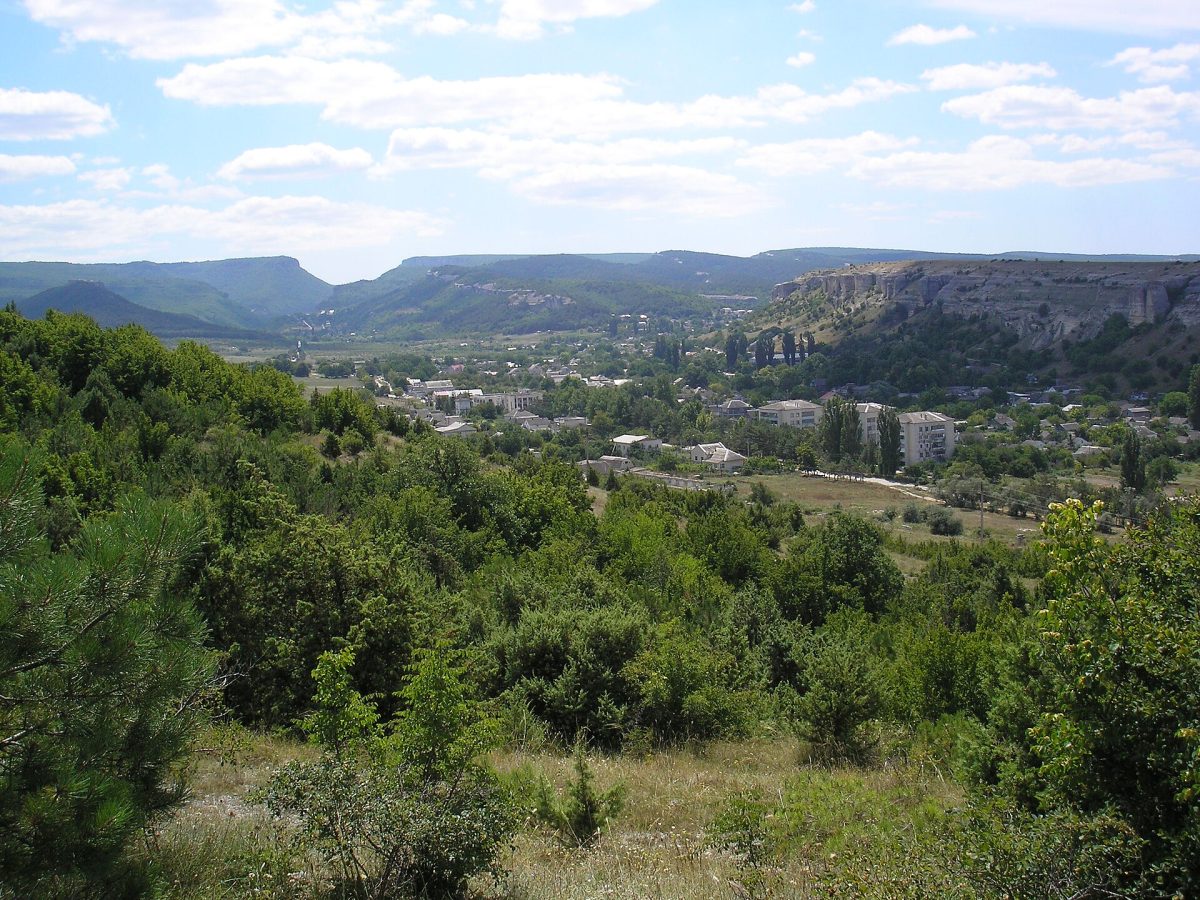
Most travelers miss Krasny Mak. It’s a quiet town in southern Russia, far from the usual routes. No crowds, no monuments, no one trying to sell you anything. Just space, silence, and the kind of stillness that makes you slow down without thinking.
The town sits where the steppe meets the foothills of the Caucasus. The air smells of dry grass and wormwood. Summers are hot but bearable, the heat broken by breezes from the hills. Winters are mild—snow dusts the ground but never piles up enough to stop a walk.
This was once a borderland. Cossack settlements marked the edge of the Russian Empire here. The past isn’t in museums; it’s in the carved wooden shutters on old merchant houses and the half-empty farmsteads on the edges of town. Locals don’t chat much, but if you sit in one of the small cafés on the main square, someone might tell you how the town has stayed the same for generations.
What pulls people here isn’t the town itself. It’s the land around it. A short drive away, the foothills rise into gentle slopes. In late spring, poppies bloom across the steppe—bright red, scattered like paint. Maybe that’s how the town got its name. By autumn, the grass turns gold and rust. In winter, snow clings to the hills in uneven patches. The river winds between the ridges, cold even in summer. Some come to fish. Others just sit on the bank and watch the sun set.
Mornings start at the market. Vendors sell fresh vegetables, cheese, and honey still warm from the hive. Evenings bring the sound of dominoes in the square and old men arguing about the weather or politics. There are no fancy restaurants, just a few guesthouses where the rooms are clean and no one bothers you. People are friendly but leave you alone if you want space.
There’s nothing here you’d call an attraction. No grand cathedral, no famous landmark. That’s the point. It’s a place where you can step off the usual path and find something rare—a town that hasn’t been polished for tourists, where life moves at its own pace. You won’t remember every detail, but you’ll remember the feeling of having nowhere to be.
Stay
0 placesNothing in this category yet — the catalogue is still growing.
All placesPlaces on the map
Marker colour follows the categoryClimate and weather
Detailed weather: Red Poppy- Average temperature
- 13 °C
- Precipitation per year
- 526 mm
- Sunshine hours per day
- 7.4 h
Average air temperature
°C
2
3
6
11
16
21
24
24
19
13
8
4
Jan
Feb
Mar
Apr
May
Jun
Jul
Aug
Sep
Oct
Nov
Dec


