Koya
Japan · 8 places
Photo: 663highland, CC BY 2.5
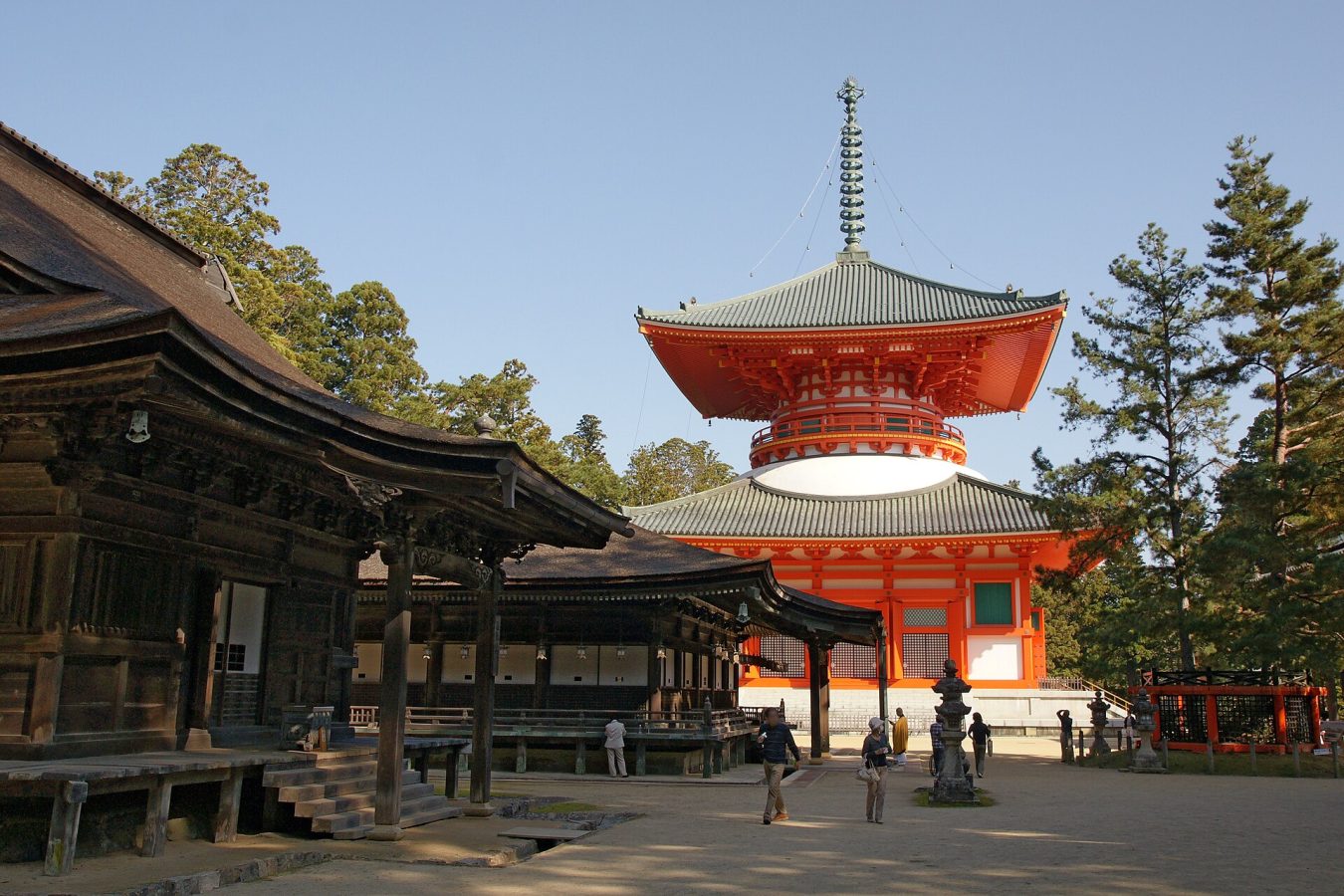
Perched high in the misty mountains of the Kii Peninsula, Koyasan feels like a place where time has quietly stepped aside. The air carries the scent of pine and incense, and the only sounds are the distant toll of temple bells and the soft crunch of gravel underfoot. This isn’t a town in the usual sense—it’s a spiritual refuge, a living relic of medieval Japan where the past lingers in every wooden beam and moss-covered stone. For over a thousand years, pilgrims and travelers have come here seeking something beyond the noise of the modern world, drawn to the heart of Shingon Buddhism, a tradition founded by the monk Kukai in the 9th century. There are no neon lights or crowded streets, just narrow lanes winding between centuries-old temples, their dark roofs curved like the wings of resting birds.
At the center of it all stands Kongobu-ji, the head temple of the Shingon school. Walking through its gates feels like stepping into another era. The halls are filled with treasures—scrolls painted in gold and vivid pigments, intricate carvings, and murals depicting the life of the Buddha. One of the most striking spaces is a room lined with sliding doors adorned with plum blossoms and cranes, a masterpiece from the Edo period. But the true magic lies outside, in the Rock Garden, where moss, sand, and carefully placed stones create a landscape so serene it seems untouched by human hands. Monks still tend to it daily, preserving its quiet beauty just as they have for centuries.
Life in Koyasan moves to the rhythm of the temples. Mornings begin with the murmur of prayers and the deep resonance of bells, while evenings fade into silence, broken only by the rustle of leaves. Many visitors stay in shukubo, the temple lodgings where guests can experience monastic life firsthand. The meals here are simple—rice, vegetables, tofu—prepared without meat or fish, yet bursting with flavor. Breakfast might be a bowl of herb-infused porridge, while dinner could bring miso soup with mushrooms and seaweed. Every dish is made with intention, a reminder that in this tradition, eating is as much a spiritual practice as meditation.
One of the most hauntingly beautiful places in Koyasan is Okunoin, Japan’s largest cemetery. A winding path leads through towering cryptomeria trees, their gnarled roots cradling thousands of graves—some modest stone slabs, others grand monuments to samurai and monks. At its heart stands the mausoleum of Kukai, where pilgrims still come to pay their respects. As dusk falls, the forest grows dim, and the boundary between the living and the dead feels thinner here than anywhere else. Locals say the spirits are close in Okunoin, and on quiet evenings, it’s easy to believe.
Koyasan isn’t for those looking for bright lights or bustling markets. It’s a place for slowing down, for noticing the way sunlight filters through the trees or how the mist clings to the mountains at dawn. You could spend an afternoon sitting on a temple veranda, sipping green tea while the wind stirs the branches, or wander for hours along forest trails that lead to hidden shrines and forgotten stories. There’s no need to rush. In Koyasan, even an ordinary moment can feel like a pilgrimage if you let it.
Eat & Drink
0 placesNothing in this category yet — the catalogue is still growing.
All placesPlaces on the map
Marker colour follows the categoryClimate and weather
Detailed weather: Koya- Average temperature
- 12 °C
- Precipitation per year
- 1843 mm
- Average humidity
- 79 %
- Sunshine hours per day
- 8.5 h
- Time zone
- UTC+9 (GMT+9)
Average air temperature
°C
0
1
5
11
14
18
23
24
21
15
8
3
Jan
Feb
Mar
Apr
May
Jun
Jul
Aug
Sep
Oct
Nov
Dec