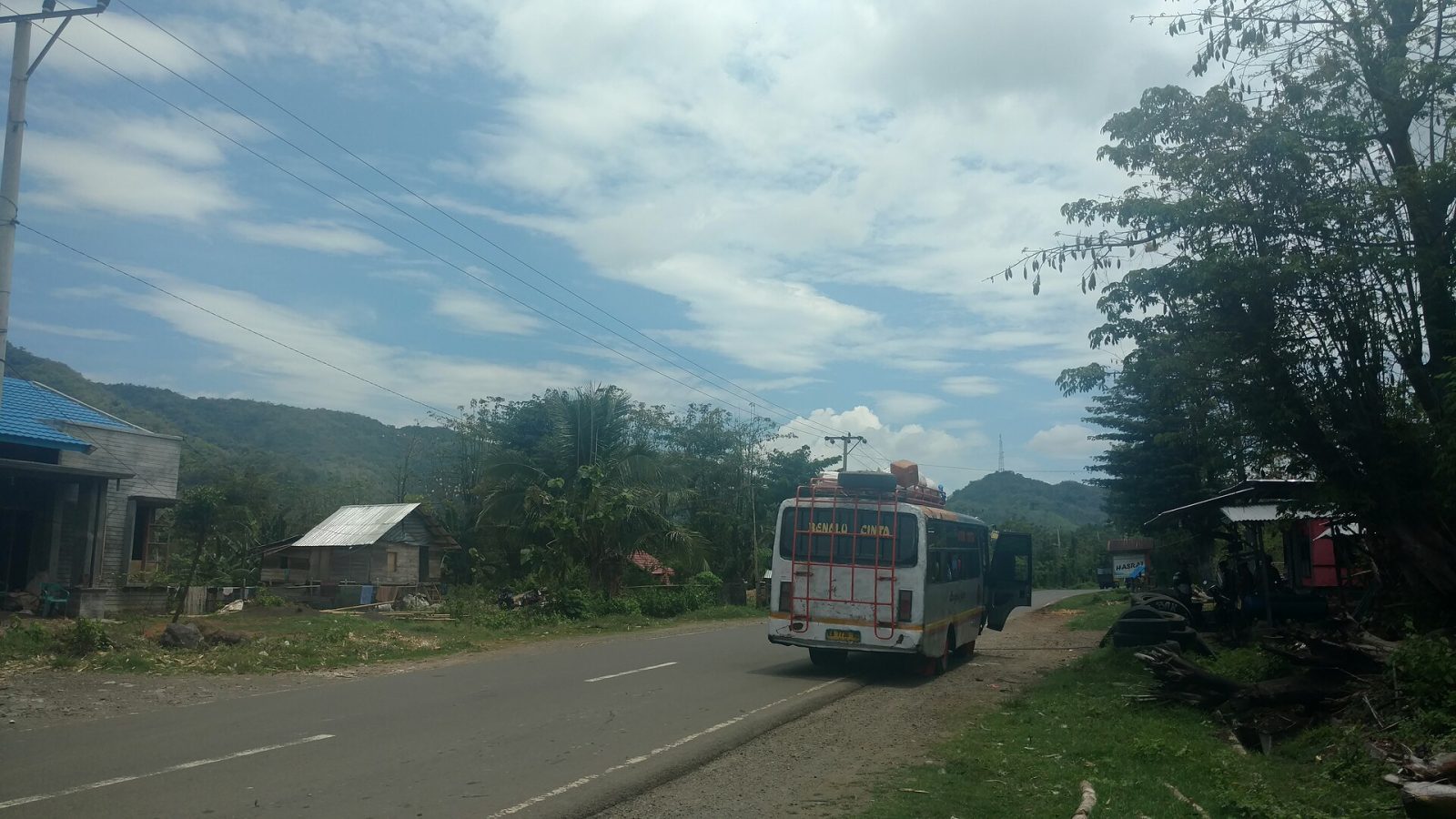
Kota-Bhima
Indonesia · 2 places
Photo: Lasthib, CC0
Kota Bima sits on the eastern coast of Sumbawa, a place most travelers overlook in favor of Indonesia’s more famous destinations. There are no crowded resorts here, no tour groups snapping photos in front of landmarks, no sense of being herded from one attraction to the next. Instead, the city moves at its own unhurried pace, untouched by the rush of modern tourism. It doesn’t exist for visitors—it simply exists, and that’s what makes it quietly compelling.
Life revolves around the harbor, where ferries depart for nearby islands, and the central market, a maze of stalls selling freshly caught fish, spices, and fruit from the surrounding plantations. The streets are narrow, lined with low-slung houses topped with terracotta roofs, their walls weathered by salt and sun. The air carries the scent of smoked fish, woodsmoke from street grills, and the sharp tang of the sea. Along the waterfront, small warungs serve strong coffee and local dishes like *ayam taliwang*—chicken roasted with fiery spices—or *pepes ikan*, fish steamed in banana leaves. In the evenings, when the heat finally eases, people gather on the beach, some chatting in small groups, others just listening to the waves or the distant strum of a guitar.
Beyond the city, the landscape unfolds in rolling hills and emerald rice terraces that spill down toward the ocean. The coastline here is wild, with black sand beaches where the Indian Ocean crashes against volcanic rock, and sunsets that bleed into shades of orange and violet. Nearby, the *Oi Bara* hot springs offer a place to soak in warm mineral waters, while the *Tate Hu* waterfall hides deep in the jungle, its path known mostly to locals. If you ask for directions, someone will likely point the way—hospitality here isn’t performative, just a natural part of daily life.
Kota Bima isn’t for those seeking luxury or constant entertainment. There are no high-end hotels, no shopping malls, no nightclubs pulsing with music. What it offers instead is something rarer: silence broken only by the cry of seabirds and the rhythm of the tide, people who smile without expecting anything in return, and a sense of space that feels almost endless. The city doesn’t try to impress—it just is. For some, that might feel like nothing much at all. For others, it’s the kind of place that lingers in the mind long after you’ve left.
Eat & Drink
0 placesNothing in this category yet — the catalogue is still growing.
All placesPlaces on the map
Marker colour follows the categoryClimate and weather
Detailed weather: Kota-Bhima- Average temperature
- 28 °C
- Precipitation per year
- 1485 mm
- Sunshine hours per day
- 6.6 h
Average air temperature
°C
28
28
28
28
28
27
27
27
28
29
29
28
Jan
Feb
Mar
Apr
May
Jun
Jul
Aug
Sep
Oct
Nov
Dec


