- Home
- Mesopotamia
- Kirkuk

Kirkuk
Mesopotamia · 8 places
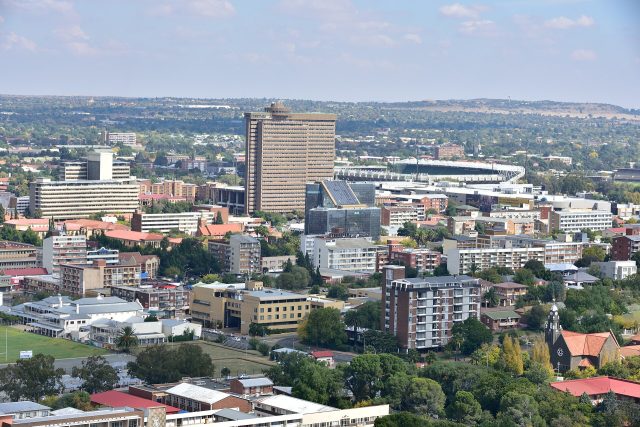
Photo: Hussein Kerkuk, CC BY-SA 3.0
Kirkuk is a city where history isn’t just remembered—it’s alive in the very stones beneath your feet. Perched in northern Iraq, it has long been a crossroads, where trade routes once linked Mesopotamia to Anatolia and Persia. Assyrian bazaars once bustled here, Persian caravans passed through, and later, the Ottomans left their mark. Each era has layered itself onto the city, leaving behind a place where mosques, churches, and even synagogues stand side by side, a quiet testament to the many cultures that have called Kirkuk home.
The city’s identity is inseparable from its oil fields, which have shaped its fate in ways both fortunate and fraught. Wealth flowed in, but so did conflict, turning Kirkuk into a focal point of political tensions. Its population—a mix of Kurds, Arabs, Turkmen, and Assyrians—reflects this complexity, with each community carrying its own memories and aspirations. Walk through the streets, and you’ll hear a mosaic of languages; sit in a café, and you might taste dishes found nowhere else in Iraq. The city doesn’t just tolerate its diversity—it thrives on it.
The old quarter is where Kirkuk’s past feels most tangible. Narrow alleys wind between clay houses, once home to artisans and merchants, while the ancient citadel—built by the Assyrians and later rebuilt by the Ottomans—looms over the city. From its walls, the view stretches across a landscape where modern buildings stand beside centuries-old structures, and minarets rise above rooftops. Nearby, the Qaysariyah market, one of the region’s oldest, still hums with activity, selling spices, fabrics, and sweets that have been traded here for generations.
Unlike Baghdad’s frenetic energy or Erbil’s polished charm, Kirkuk moves at its own pace. There’s no rush here, no attempt to impress visitors. Instead, the city feels lived-in, its rhythms shaped by the people who know it best. In a tea house, you might hear stories of how the city has changed within a single lifetime; in a park, elders play backgammon as if time itself obeys different rules here. The locals don’t just coexist with their city’s contradictions—they’ve made peace with them.
Kirkuk isn’t a place that tries to be anything other than itself. There are no luxury hotels or flashy attractions, just the raw, unfiltered reality of a city that has seen empires rise and fall. It’s a place where you can feel the pulse of Iraq—not the version from postcards, but the one that exists in the quiet moments between history’s grand narratives. The city doesn’t ask for admiration; it simply endures, carrying its stories forward with the people who still call it home.
Eat & Drink
0 placesNothing in this category yet — the catalogue is still growing.
All placesPlaces on the map
Marker colour follows the categoryClimate and weather
Detailed weather: Kirkuk- Average temperature
- 22 °C
- Precipitation per year
- 448 mm
Average air temperature
°C
8
9
13
20
26
33
36
36
30
23
15
11
Jan
Feb
Mar
Apr
May
Jun
Jul
Aug
Sep
Oct
Nov
Dec