Killabamba
Peru · 5 places
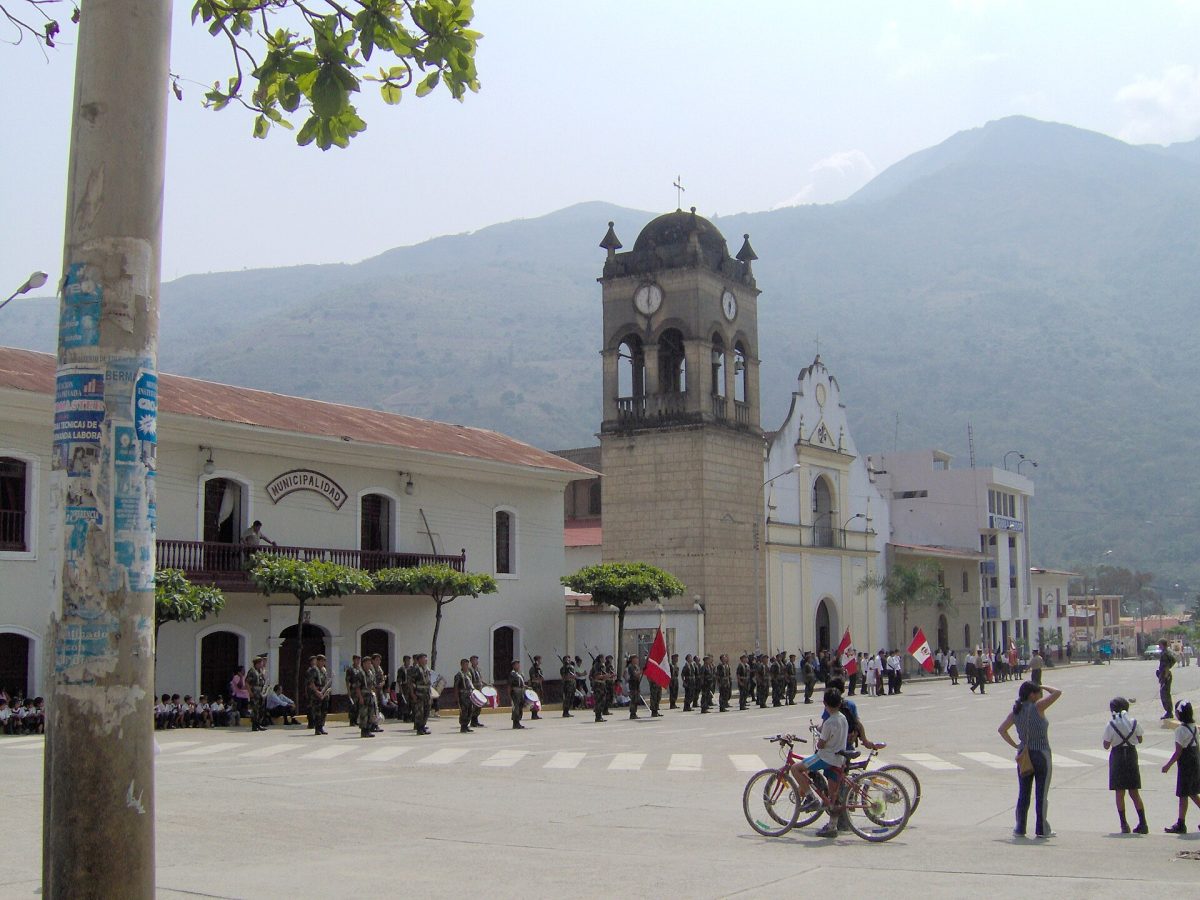
Photo: Ibrehaut, CC BY-SA 4.0
Nestled deep in the folds of the Andes, Killaqampa feels like a secret the mountains have kept for centuries. Unlike the well-trodden paths of Machu Picchu, this ancient Inca city remains quiet, its stone terraces and crumbling temples almost untouched by modern footsteps. The air here is thinner, the silence deeper, and the sense of discovery more personal. Walking through its ruins, you might feel like the first person to set foot in these places in hundreds of years, the weight of history pressing lightly against your shoulders with every step.
Founded in the mid-15th century under the rule of Pachacuti, Killaqampa was once a vital administrative and religious hub. The Incas chose its location with care—a sheltered valley cradled by peaks, where the soil was rich and the climate gentle. From here, the snow-capped summits of the Andes seem close enough to touch on clear days, their jagged outlines sharp against the sky. Archaeologists still debate the purpose of many structures: some may have been palaces, others observatories or granaries. But the real magic lies in the details—the way the stones fit together without mortar, the precision of the terraces carved into the hillsides, the quiet persistence of a civilization that thrived here long before the first Europeans set foot in the Americas.
Reaching Killaqampa is part of the experience. The journey begins in Cusco, winding through the Sacred Valley to the small town of Ollantaytambo. From there, the real adventure starts. Some choose to hike the Inca trails, a multi-day trek that weaves through cloud forests and high-altitude grasslands, where llamas graze and the air smells of damp earth and wild herbs. Others opt for the rough ride in a local jeep, bouncing along switchbacks that cling to the mountainside. The road takes hours, but the views shift constantly—dense jungle giving way to barren plateaus, mist curling over ridges, villages where life moves at the same unhurried pace it has for generations. Along the way, you might stop in a traditional community, where farmers grow corn and potatoes on ancient terraces, weavers work with alpaca wool, and the fermented tang of chicha, a corn beer, lingers in the air during festivals.
The ruins themselves are divided into distinct sectors, each serving a different purpose. At the highest point stand the remains of what were likely noble residences, their walls still hinting at the grandeur they once held. Below, the residential quarters sprawl in a maze of small stone houses, their doorways low and narrow. The Temple of the Sun, though little more than a foundation now, still commands attention with its sheer scale. Nearby, a sacred stone is said to have been used for astronomical observations, its surface worn smooth by time. Beyond the city, agricultural terraces stretch across the hillsides, where the Incas cultivated maize, quinoa, and other crops adapted to the thin mountain air.
What makes Killaqampa special isn’t just its history, but the way it makes you feel. There are no souvenir stalls or tourist cafes here, no crowds jostling for the best photo. Instead, there’s the quiet rustle of wind through the grass, the distant cry of a bird, the way the light turns golden as the sun dips behind the peaks. In the evenings, the valley seems to hold its breath, the past and present blurring into something timeless. For those who seek more than just a destination, Killaqampa offers something rare—a place where the past isn’t just remembered, but still alive.
Eat & Drink
0 placesNothing in this category yet — the catalogue is still growing.
All placesPlaces on the map
Marker colour follows the categoryClimate and weather
Detailed weather: Killabamba- Average temperature
- 22 °C
- Precipitation per year
- 2295 mm
- Average humidity
- 87 %
- Sunshine hours per day
- 9.4 h
- Time zone
- UTC-5 (GMT-5)
Average air temperature
°C
23
23
23
23
22
22
21
22
23
23
23
23
Jan
Feb
Mar
Apr
May
Jun
Jul
Aug
Sep
Oct
Nov
Dec