Kifl Haris
Palestine · 8 places
Photo: עדירל, CC BY-SA 4.0
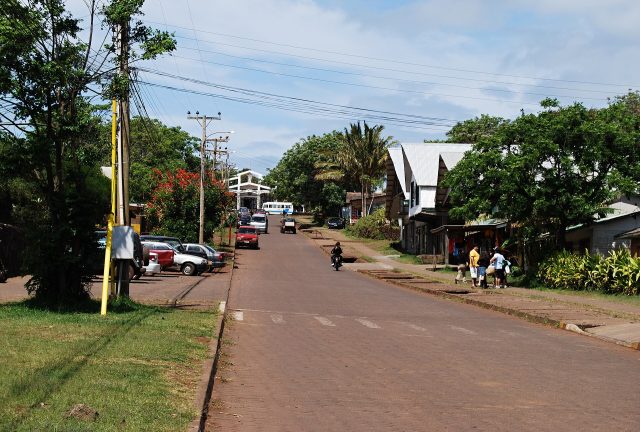
Kifl Haris sits quietly among the gentle hills of the West Bank, a place where time moves at its own unhurried pace. The town is small, its stone houses blending seamlessly into the landscape of terraced olive groves that stretch across the slopes. There are no crowds here, no souvenir stalls clamoring for attention—just the rhythm of daily life, where ancient traditions and modern routines coexist without fuss. Mornings begin with the scent of fresh bread drifting from local bakeries, while evenings settle into the soft hum of neighbors chatting on doorstep benches, their voices mingling with the cool air.
History lingers in the air, woven into the very fabric of the town. Kifl Haris appears in old texts, and its surroundings hold traces of the many civilizations that have passed through—Roman, Ottoman, and others. Locals speak with quiet pride of the sacred sites tied to Islamic tradition, like the tomb of the prophet Dhul-Kifl, a place of pilgrimage that draws visitors seeking connection to the past. The narrow streets, once trodden by caravans, still bear the marks of time: ancient wells, stone olive presses, and the same winding paths that have guided people for centuries.
Life here revolves around simple, unchanging rituals. In the mornings, men gather in the central square, sipping strong coffee as they catch up on news, while women haggle over fresh vegetables and spices at the market. The bargaining feels more like a social ritual than a transaction, a chance to chat and share stories. The town’s cafés serve straightforward, hearty food—hummus baked in clay ovens, tangy labneh, olives marinated in homemade brine, and olive oil pressed the old way, its rich flavor a testament to generations of craftsmanship.
There are no luxury hotels or Michelin-starred restaurants in Kifl Haris, but what it lacks in grandeur, it makes up for in warmth. Visitors often find themselves surprised by the hospitality—invited into homes for tea, shown around family gardens, or regaled with stories of the town’s past. It’s the kind of place where you’re not just a traveler passing through, but a guest, welcomed with open arms.
If you find yourself here, take a day to wander the streets. Stop by a bakery where bread is still baked in traditional ovens, or buy a jar of olives from a farmer who grew them himself. Sit in the square, watch the world go by, and let the quiet charm of Kifl Haris settle over you. There’s no need to rush—this is a place that rewards those who take the time to slow down.
Eat & Drink
0 placesNothing in this category yet — the catalogue is still growing.
All placesPlaces on the map
Marker colour follows the categoryClimate and weather
Detailed weather: Kifl Haris- Average temperature
- 17 °C
- Precipitation per year
- 0 mm
Average air temperature
°C
8
9
11
16
20
22
24
25
23
21
15
11
Jan
Feb
Mar
Apr
May
Jun
Jul
Aug
Sep
Oct
Nov
Dec