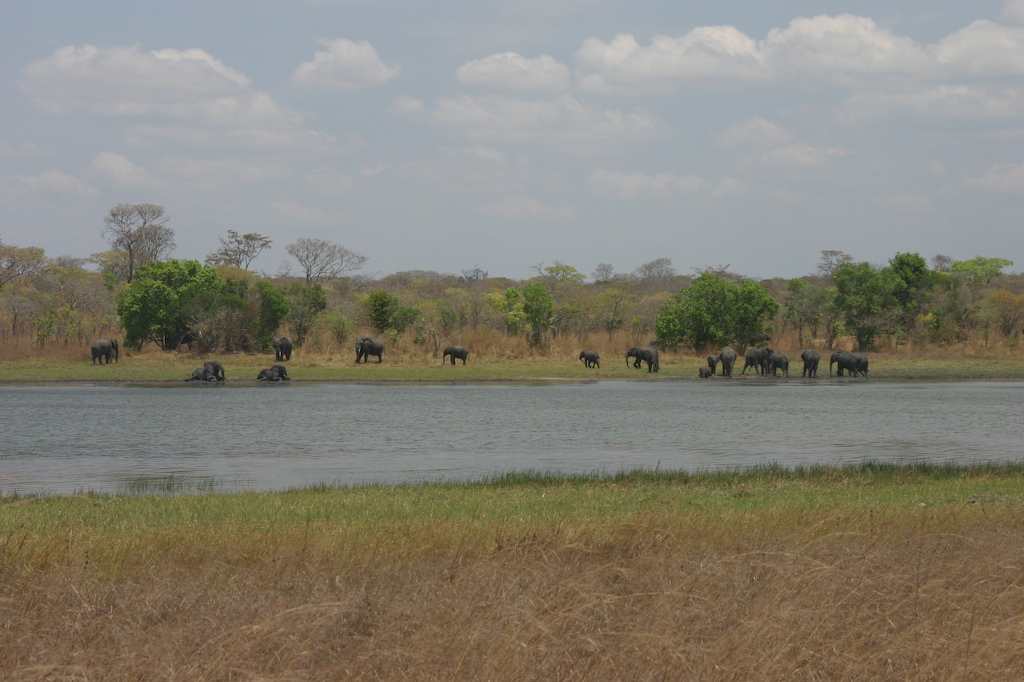
Weather overview
Kasakula experiences a distinct wet and dry season pattern, shaping the best times to visit. From November to April, the region sees frequent rainfall, with January and February being the wettest months. The landscape turns lush and green, but travel may be affected by heavy downpours.
The dry season in Kasakula runs from May to October, offering more predictable weather. June and July are the coolest months, while September and October bring warmer days before the rains return. This period is ideal for outdoor activities and exploring the area without weather disruptions.
Temperature
Temperatures in Kasakula remain relatively mild year-round, with daytime highs typically between +23 °C and +29 °C. The warmest months are October and November, when averages reach +29.4 °C and +29.8 °C respectively. Evenings can be cooler, especially in the dry season, with lows dropping to +10.1 °C in July.
During the wet season, temperatures stay steady, hovering around +21.5 °C to +23.1 °C from December to March. The transition months of April and May see a gradual cooldown, while August and September mark the start of the warmer dry season, with temperatures climbing back up.
| Month | Minimum | Maximum |
|---|---|---|
| January | 18.4 | 25.8 |
| February | 18.5 | 26.3 |
| March | 17.9 | 26.1 |
| April | 16.4 | 25.9 |
| May | 12.5 | 25.1 |
| June | 10.9 | 23.2 |
| July | 10.1 | 23.3 |
| August | 12.1 | 25.4 |
| September | 14.9 | 27.7 |
| October | 17.3 | 29.4 |
| November | 19 | 29.8 |
| December | 19.2 | 28 |
Precipitation
Rainfall in Kasakula is highly seasonal, with the wet season bringing the bulk of the year’s precipitation. January is the wettest month, averaging 251.7 mm of rain, followed by February with 177.7 mm. These months can see frequent and sometimes heavy showers, which may impact travel plans.
From May to September, Kasakula experiences almost no rainfall, with monthly totals often below 5 mm. The dry season provides reliable conditions for outdoor exploration, though the landscape may appear drier and less vibrant. Light rains return in October, gradually increasing toward the wet season.
| Month | Precipitation |
|---|---|
| January | 251.7 |
| February | 177.7 |
| March | 122.6 |
| April | 33.3 |
| May | 1.1 |
| June | 2.6 |
| July | 0.4 |
| August | 5.9 |
| September | 2 |
| October | 26.3 |
| November | 52.4 |
| December | 174.7 |
What to pack
For a trip to Kasakula during the wet season (November to April), pack lightweight, quick-drying clothing and a waterproof jacket. Rainfall can be sudden and heavy, so waterproof footwear and a compact umbrella are useful. Evenings may feel cooler, so a light sweater or long sleeves are advisable.
During the dry season (May to October), Kasakula calls for breathable fabrics like cotton or linen to stay comfortable in the warmth. A hat and sunglasses will help with sun protection, especially in September and October when temperatures peak. If visiting in June or July, a light jacket or shawl may be needed for cooler nights.
| Month | Wind speed |
|---|---|
| January | 2.8 |
| February | 2.8 |
| March | 2.7 |
| April | 3 |
| May | 2.9 |
| June | 3.1 |
| July | 3.4 |
| August | 3.8 |
| September | 4 |
| October | 4.3 |
| November | 4.1 |
| December | 3.4 |
