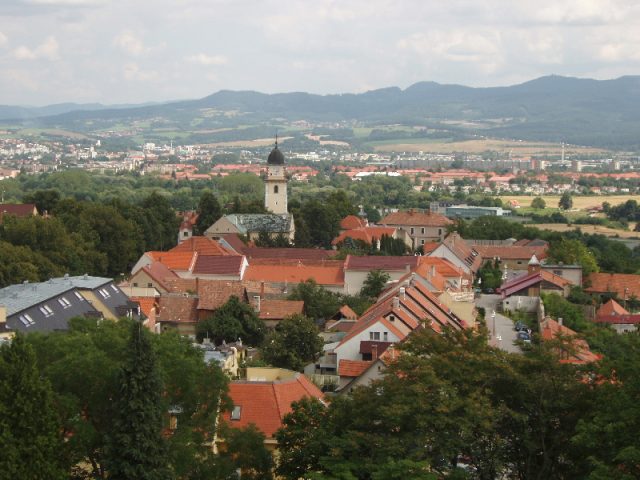
Karlskrona
Sweden · 8 places
Photo: Sendelbach (talk), CC BY-SA 3.0
Karlskrona
Karlskrona is a city where history feels alive. Founded in the late 17th century as Sweden’s premier naval base, it still carries the weight of its past. The streets are laid out with military precision, the grand baroque buildings stand as they did centuries ago, and the harbor, once home to warships, now welcomes fishing boats and pleasure craft. UNESCO recognized its architectural harmony—symmetry and light-colored facades create a sense of order. This was a city built to command the sea, and the sea still defines it.
Water surrounds Karlskrona, shaping its character. The city sprawls across islands in the Blekinge archipelago, where canals cut through the center and granite quays line the shore. In summer, the light lingers late into the evening, casting a glow over the water, while the air carries the scent of salt and seaweed. Locals stroll along the promenades or take boats out to explore the nearby islands. Winter brings snow on rooftops, and the sea shifts between gray and silver under the pale Nordic sky.
Life here moves slowly.
The center is compact, with narrow streets lined with small shops, bakeries, and restaurants serving smoked fish and cinnamon buns. On weekends, the square in front of the town hall fills with market stalls selling fresh produce and handmade crafts. Step away from the main streets, and you’ll find quiet neighborhoods of wooden houses with gardens. People still know their neighbors.
The naval base is the city’s beating heart. It’s a working part of Karlskrona—warships dock at the piers, and tours let you walk through old shipyards or step aboard historic ships. The base gives the city its edge, a reminder that this was, and still is, a place built by and for sailors. The contrast between 18th-century architecture and the modern navy shows the past isn’t just preserved—it’s still in use.
Beyond the city, the archipelago stretches out. Some islands are wild, covered in forests and rocky shores; others have small villages or lighthouses. In summer, boats ferry visitors to secluded beaches and cliffs. Winter turns the islands stark, with snow on trails and frozen sea. It’s a place for solitude, where the only sounds are gulls and waves.
Karlskrona doesn’t try to impress. There are no flashy attractions, just a quiet confidence. It invites you to slow down—to wander the waterfront or linger in a café. The pace is deliberate, the atmosphere unhurried. For travelers who seek more than sights, it offers a sense of place and a connection to history. It’s the kind of destination that stays with you.
Stay
0 placesNothing in this category yet — the catalogue is still growing.
All placesPlaces on the map
Marker colour follows the categoryClimate and weather
Detailed weather: Karlskrona- Average temperature
- 9 °C
- Precipitation per year
- 760 mm
- Average humidity
- 80 %
- Sunshine hours per day
- 8 h
- Time zone
- UTC+2 (GMT+2)
Average air temperature
°C
1
2
3
7
12
16
17
17
16
10
5
3
Jan
Feb
Mar
Apr
May
Jun
Jul
Aug
Sep
Oct
Nov
Dec