Kamakura
Japan · 5 places
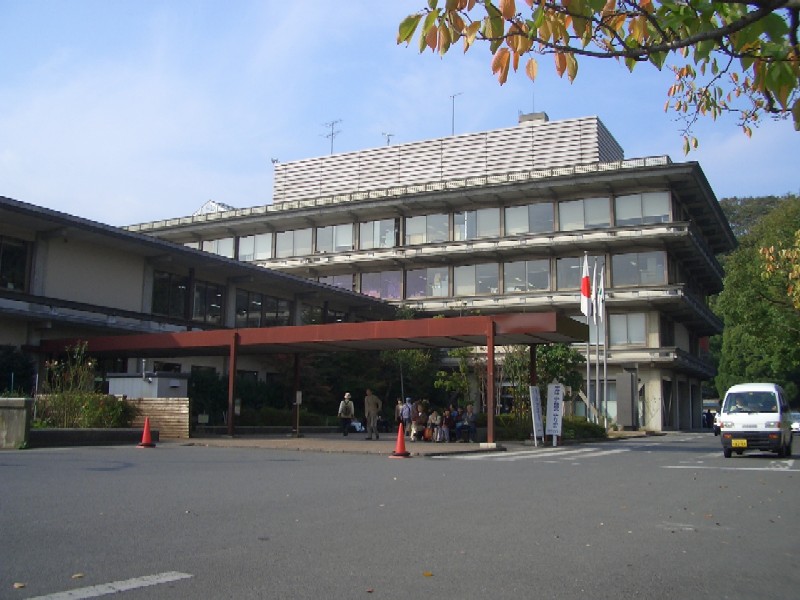
Photo: ja:user:S.fukasawa, CC BY-SA 3.0
Kamakura feels like a place where time has quietly settled into the folds of the hills, just an hour’s train ride from the relentless energy of Tokyo. There are no towering skyscrapers here, no neon-lit streets crowded with hurried footsteps. Instead, narrow lanes wind between green slopes, temples nestle beneath ancient trees, and the gentle rhythm of waves from Sagami Bay fills the air. Once the political heart of Japan in the 13th century, when it served as the seat of the shogunate, Kamakura today moves at a slower pace, its history woven into the very stones underfoot.
The city’s most iconic sight is the Great Buddha, or Daibutsu, a bronze statue of Amida Nyorai that has sat in the open air at Kotoku-in for over seven centuries. It has weathered earthquakes, typhoons, and even attempts to melt it down, yet it remains, serene and unshaken. The area around the statue is often busy, but step away from the crowds, and you’ll find pockets of quiet where the only sounds are the rustle of leaves and the distant chime of a temple bell. Kamakura, though, is more than just this single landmark. Dozens of temples and shrines dot the landscape, each with its own story. Hasedera, perched on a hillside, is famous for its garden pond filled with koi and its sweeping views of the ocean, especially striking at sunset.
Exploring Kamakura is best done on foot or by bicycle, as the distances are short and the routes connect seamlessly, guiding visitors from one historic site to the next. One of the most popular walks follows the Daibutsu Trail, starting near Kamakura Station and ending at the Great Buddha. Along the way, small shops sell traditional sweets, and cafés offer tea with a view of the sea. In summer, the breeze off the bay brings relief from the heat, while winter wraps the town in a soft mist, adding to its quiet charm.
Beyond its temples, Kamakura has a coastline that draws visitors in warmer months. Yuigahama Beach stretches along the bay, a favorite spot for surfers and those who simply want to walk along the shore. Swimming can be risky due to strong currents, but the sound of waves and the wide expanse of sand make it a peaceful place to spend an afternoon. In autumn, the town transforms as maples and ginkgo trees blaze with color, turning Kamakura into one of the region’s best places to see fall foliage. Locals often gather for picnics under the trees, spreading out blankets and enjoying the crisp air.
Despite its proximity to Tokyo, Kamakura retains the feel of a small, unhurried town. There are no grand resorts or flashy entertainment districts, just modest inns and traditional ryokan where guests can savor a kaiseki meal or soak in an onsen. As evening falls, the streets grow quiet, the only sounds the hum of cicadas and the distant murmur of the ocean. Kamakura doesn’t try to dazzle with spectacle—it simply exists, offering a different kind of Japan, one where the pace slows and the world feels a little softer.
Eat & Drink
0 placesNothing in this category yet — the catalogue is still growing.
All placesPlaces on the map
Marker colour follows the categoryClimate and weather
Detailed weather: Kamakura- Average temperature
- 17 °C
- Precipitation per year
- 1378 mm
Average air temperature
°C
7
8
10
15
19
22
26
27
24
19
15
10
Jan
Feb
Mar
Apr
May
Jun
Jul
Aug
Sep
Oct
Nov
Dec