Weather overview
Kamakombe enjoys a consistently mild climate, with temperatures rarely straying far from the comfortable range. The year divides neatly into three distinct periods: a wet season, a dry season, and transitional months with moderate rainfall. If you prefer drier conditions, the months from June to August offer the clearest skies and lowest humidity.
Rainfall shapes the rhythm of life in Kamakombe, with the heaviest downpours arriving between November and December. The rest of the year brings lighter but still frequent showers, especially in March, April, and October. Even during the wetter months, mornings often start bright, with rain typically arriving in the afternoon or evening.
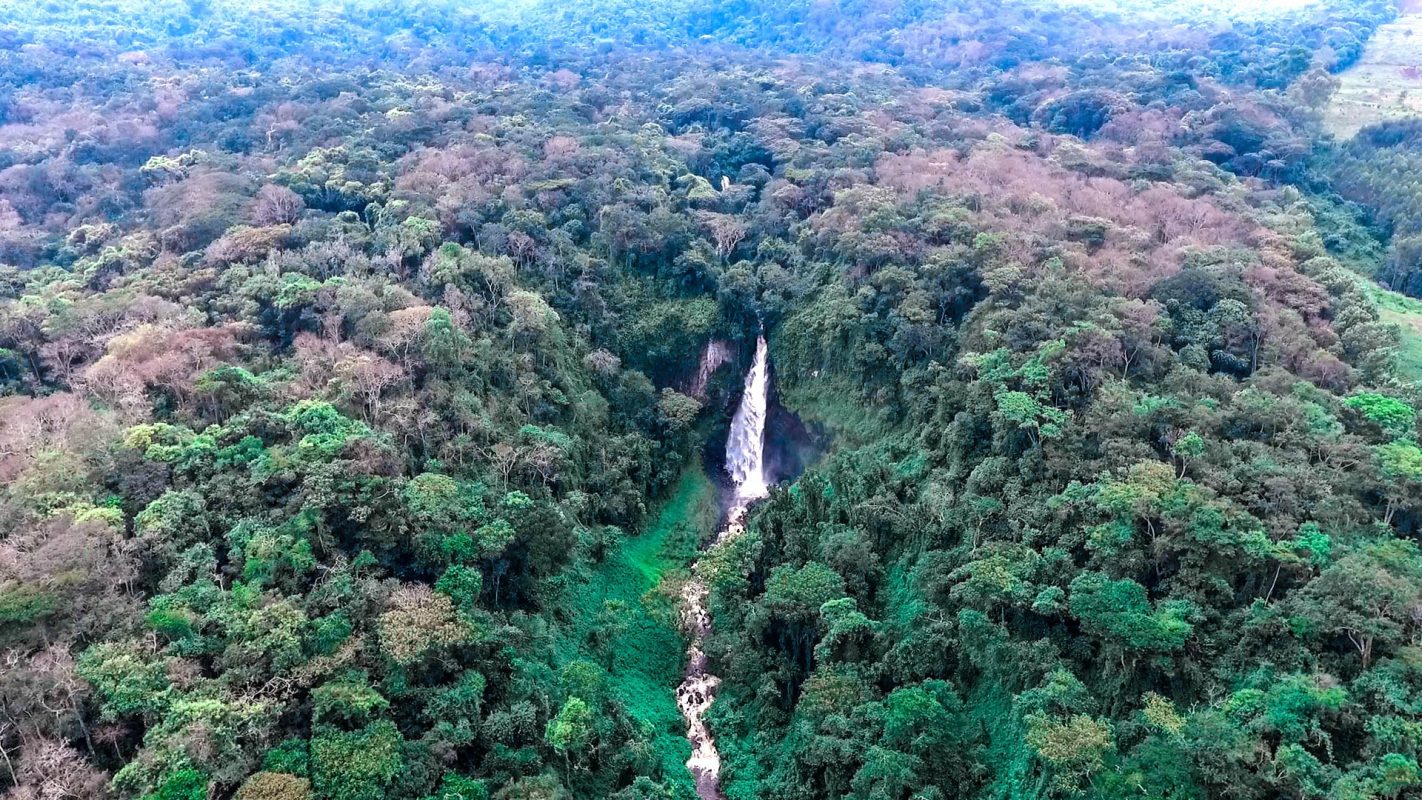
Travelers to Kamakombe will find little variation in daytime temperatures, which hover around +24–26 °C for most of the year. Nights cool slightly, dropping to +14–16 °C, so a light layer is useful after sunset. The dry season brings the warmest days, while the wet season keeps the air fresh and the landscape lush.
Temperature
Temperatures in Kamakombe remain steady throughout the year, with only minor fluctuations between seasons. Daytime highs average +24–26 °C, peaking in July and August at +26.4–26.7 °C. Even during the coolest months, such as June or November, the mercury rarely dips below +24 °C, making it a pleasant destination for those who dislike extreme heat.
Nighttime temperatures in Kamakombe offer a gentle contrast to the daytime warmth. The coolest nights occur in June and July, when lows reach +14.8 °C, while the rest of the year sees nighttime temperatures between +15–16 °C. This mild range means you won’t need heavy bedding, but a light jacket or shawl can be handy for early mornings or late evenings.
The narrow temperature range in Kamakombe makes it easy to pack for any time of year. Whether you visit in January or September, you can expect similar conditions: warm days, cool nights, and no risk of frost or scorching heat. The consistency is ideal for travelers who prefer predictable weather without surprises.
| Month | Minimum | Maximum |
|---|---|---|
| January | 15.2 | 25 |
| February | 15.5 | 25.4 |
| March | 15.8 | 25.3 |
| April | 15.9 | 24.5 |
| May | 15.6 | 24.5 |
| June | 14.8 | 25.3 |
| July | 14.8 | 26.4 |
| August | 15.4 | 26.7 |
| September | 15.4 | 25.7 |
| October | 15.6 | 25.4 |
| November | 15.6 | 24.1 |
| December | 15.5 | 24.4 |
Precipitation
Rainfall in Kamakombe follows a clear seasonal pattern, with the wettest months falling between November and December. During this period, monthly rainfall exceeds 250 mm, and heavy downpours are common. March, April, and October also see significant rain, with totals around 160–180 mm, while the rest of the year is drier but not entirely rain-free.
The dry season in Kamakombe spans from June to August, with July being the driest month at just 6.3 mm of rain. Even in this period, brief showers can occur, but they are rare and unlikely to disrupt travel plans. The transitional months of May and September offer a balance, with moderate rainfall and fewer crowds.
If you’re planning outdoor activities in Kamakombe, timing matters. The dry season is ideal for hiking, wildlife viewing, or exploring the countryside, while the wet season transforms the landscape into a vibrant green. Rain typically falls in short, intense bursts, so a compact umbrella or waterproof jacket is a wise addition to your luggage.
| Month | Precipitation |
|---|---|
| January | 132.1 |
| February | 104.3 |
| March | 159.6 |
| April | 176.1 |
| May | 104.9 |
| June | 17 |
| July | 6.3 |
| August | 40.9 |
| September | 129.1 |
| October | 179.3 |
| November | 275.7 |
| December | 255.1 |
What to pack
Packing for Kamakombe is straightforward thanks to its mild, stable climate. Lightweight, breathable clothing works year-round, but include a few long-sleeved shirts or a light sweater for cooler evenings. A waterproof jacket or travel umbrella is essential if you’re visiting during the wet season, especially from November to April.
Footwear in Kamakombe should prioritize comfort and versatility. Sturdy sandals or walking shoes are ideal for daytime exploration, while waterproof options are useful during the rainy months. If you plan to hike or spend time in rural areas, consider lightweight boots with good grip, as trails can become slippery after rain.
Accessories for Kamakombe should focus on sun protection and rain preparedness. A wide-brimmed hat, sunglasses, and sunscreen are must-haves, as the equatorial sun can be strong even on cloudy days. A small backpack or crossbody bag is handy for carrying essentials during day trips, while a reusable water bottle helps you stay hydrated in the warm climate.
| Month | Wind speed |
|---|---|
| January | 1.9 |
| February | 1.8 |
| March | 1.7 |
| April | 1.9 |
| May | 2.3 |
| June | 2.4 |
| July | 2.7 |
| August | 2.3 |
| September | 1.9 |
| October | 2 |
| November | 1.7 |
| December | 1.6 |
