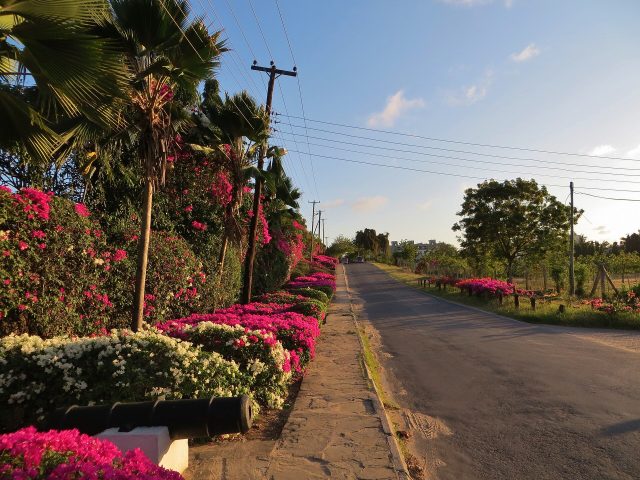
Calabo Lake
Zambia · 6 places
Photo: Jonchwalker, CC BY-SA 3.0
Kalabo sits on the western edge of Zambia, where the Zambezi River still flows wide and unhurried, long before it gathers the force to become Victoria Falls. The water here moves quietly, curling around sandbanks and papyrus thickets, while the surrounding plains of Liuwa Plain National Park stretch endlessly under the sky. During the rainy season, the land floods, turning the savannah into a vast inland sea. There are no crowds, no souvenir stalls, no tour buses—just the sound of birds calling and, if you’re lucky, the distant roar of lions drifting across the water.
Life in Kalabo follows the rhythm of the river and the seasons. The people, mostly from the Lozi community, live much as their ancestors did—fishing, growing maize and cassava, herding cattle. When the floods come, the streets turn into canals, and the only way to get around is by boat. This is when the town feels most alive, especially during Kuomboka, the annual festival where the Lozi king moves from the flooded capital to higher ground. The ceremony is a spectacle of song, dance, and tradition, and if you’re there to witness it, the memory stays with you long after.
The town itself is small and unassuming, with a handful of dirt roads lined with mud-and-thatch houses, a market selling fresh fish and handwoven fabrics, and a couple of simple lodges for the occasional traveler. There’s no need to perform or pretend here—just sit by the river, watch fishermen haul in their nets, and let the hours slip by unnoticed. The water is murky, the air thick with the scent of woodsmoke and damp earth, and the pace of life feels like it hasn’t changed in generations.
For those who love wild places, Kalabo is a rare find. Liuwa Plain National Park, just beyond the town, is one of Zambia’s least-visited reserves, where elephants, buffalo, and antelope roam freely. In the wet season, the park becomes a maze of waterways, best explored by canoe or motorboat. Local guides know the land intimately and can take you through flooded forests, past herds of lechwe, or to hidden spots where rare birds nest. There’s no guarantee of spotting a leopard or a pack of wild dogs, but the thrill of the search is part of the experience.
Kalabo isn’t for everyone. There are no fancy restaurants, no nightlife, no shopping malls. What it offers instead is something far more precious—a glimpse of Africa as it once was, before mass tourism arrived. It’s a place for those willing to trade comfort for authenticity, where nature and culture still move to their own rhythms. If you ever need to escape the noise of the modern world, Kalabo will be here, quiet and unchanging, waiting for you to slow down and listen.
See & Do
All of them
Places on the map
Marker colour follows the categoryClimate and weather
Detailed weather: Calabo Lake- Average temperature
- 23 °C
- Precipitation per year
- 762 mm
Average air temperature
°C
23
24
24
23
22
20
20
22
27
29
25
24
Jan
Feb
Mar
Apr
May
Jun
Jul
Aug
Sep
Oct
Nov
Dec