Iteji-Tezhi
Zambia · 7 places
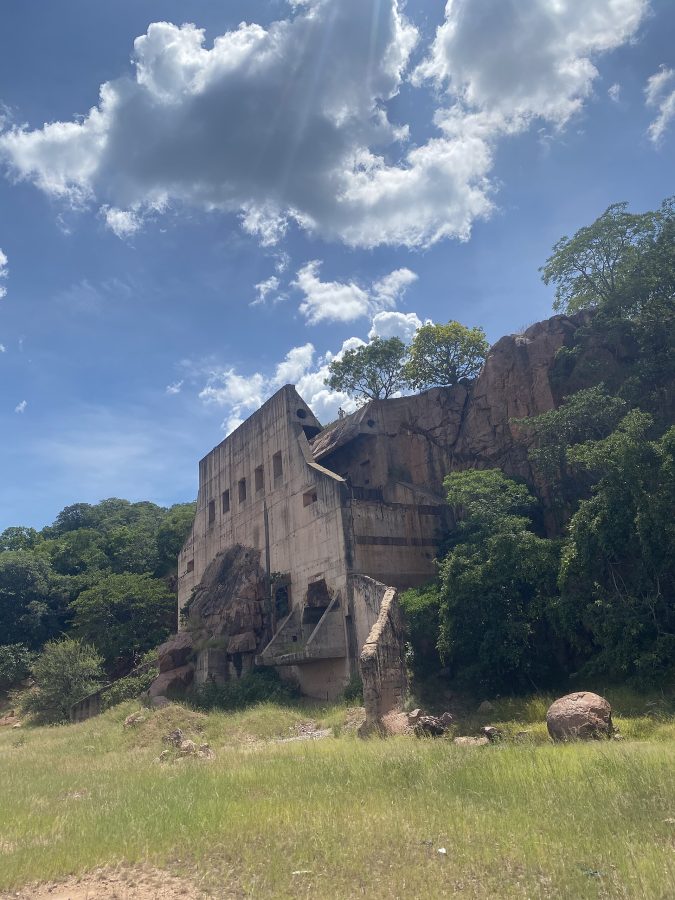
Photo: Orelaustin, CC BY-SA 4.0
Itezhitezhi sits quietly in southern Zambia, far from the well-trodden paths of safari lodges and tourist hubs. There are no crowded streets here, no souvenir vendors calling out prices, no tour buses idling at the curb. Instead, the town moves at its own unhurried pace, its wide, tree-lined avenues shaded by acacias and msasas that rustle in the dry season wind. The air carries the scent of woodsmoke and damp earth after rain, and the only sounds are the distant lowing of cattle, the occasional motorbike sputtering past, and the laughter of children playing in the dust.
Perched on rolling hills, Itezhitezhi offers views that stretch toward the horizon—golden savannahs giving way to the faint blue outlines of the Muchinga Escarpment in the distance. The town’s history is tied to the mines that once drew workers from across the region, though today its rhythm is shaped more by the land than by industry. There are no grand monuments or museums here, no polished attractions waiting to be checked off a list. What draws visitors is something less tangible: the way the light slants across the hills at dusk, the slow conversations over shared plates of food, the sense of a place that exists for itself rather than for outsiders.
The heart of Itezhitezhi is its market, a sprawling maze of stalls where women in bright chitenge wraps sell mounds of tomatoes, okra, and cassava, their voices rising and falling in the local dialects. The air is thick with the smell of grilled meat and wood fires, of crushed herbs and roasting groundnuts. Nearby, small open-air kitchens serve up nshima, the staple porridge of Zambia, heaped with relishes of pumpkin leaves or dried fish, or kapenta, tiny dried sardines fried crisp and served with a squeeze of lemon. In the evenings, the market empties, but the bars stay lively—locals gather to drink chibuku, the thick, sour sorghum beer, or palm wine tapped fresh from the trees, while music spills from battered speakers.
Beyond the town, the landscape opens up into something wilder. The hills of the Muchinga range rise to the east, their slopes covered in miombo woodland and patches of open grassland where antelope graze and elephants sometimes wander down from the nearby reserves. Hiking trails wind through the hills, offering views of the savannah below and the chance to spot hornbills, rollers, and other birds that flash through the trees. Local guides, often from the Lenje or Tonga communities, share stories of the land—not just its animals, but its spirits, its seasons, the way the rains transform the earth from dust to green in a matter of weeks.
There are no luxury resorts here, no infinity pools overlooking the bush. Instead, visitors stay in simple guesthouses run by families, where the rooms are clean but unadorned, and the welcome is warm but unassuming. The town doesn’t put on a show for outsiders; it doesn’t need to. Those who come are usually looking for something quieter—a place where life isn’t curated for Instagram, where the days unfold without a schedule, where the only agenda is to sit on a veranda with a cup of sweet tea and watch the light change over the hills.
Itezhitezhi isn’t the Zambia you’ll see in brochures. There are no dramatic waterfalls or Big Five sightings guaranteed. But for those willing to step off the beaten path, it offers something rarer: a glimpse of a country that exists beyond the postcard images, where the land and the people set the pace, and where the most memorable moments often happen when you least expect them.
Eat & Drink
0 placesNothing in this category yet — the catalogue is still growing.
All placesPlaces on the map
Marker colour follows the categoryClimate and weather
Detailed weather: Iteji-Tezhi- Average temperature
- 21 °C
- Precipitation per year
- 661 mm
Average air temperature
°C
21
22
21
20
18
16
16
19
23
25
24
23
Jan
Feb
Mar
Apr
May
Jun
Jul
Aug
Sep
Oct
Nov
Dec


