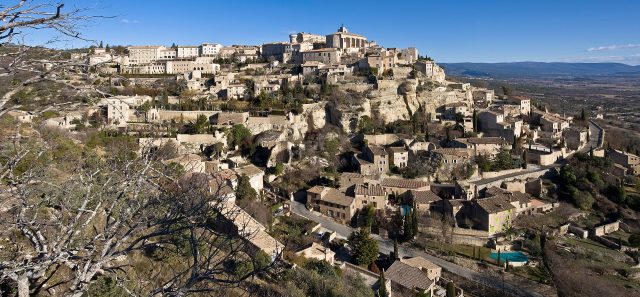
Mount Gora
Senegal · 3 places
Photo: Ji-Elle, Public domain
Gorée Island
Gorée Island drifts just off the coast of Dakar. Time moves differently here. Narrow, cobblestone streets wind past houses with wooden shutters and balconies—once homes to merchants and colonial officials. The island is small enough to explore on foot in a few hours. Every corner holds a story.
Gorée is known for its role in the transatlantic slave trade. In the 18th century, thousands passed through its port, taken to the Americas. The House of Slaves is a museum today. Its cramped cells and heavy chains show where captives were held before shipment. History feels raw here.
But Gorée is not only about sorrow.
The sea sets the pace. Locals, descendants of freed slaves and settlers, live with their surroundings. There are no cars—just bicycles and the occasional donkey. Fishermen return in the mornings. Women sell fruit and spices at the market. The air smells of vanilla and pepper.
Art is part of daily life. Painters capture the island’s light. Small galleries display Senegalese work. In summer, festivals bring music and dance. Even on quiet days, the island has a magic of its own. The sun sets over the ocean, turning the sky gold and pink.
Gorée’s past is painful, but today it feels like a place of resilience. History isn’t hidden—it’s part of the present. There are no luxury hotels or crowds. The island doesn’t try to impress. It exists as it is, for those who want to see it.
Stay
0 placesNothing in this category yet — the catalogue is still growing.
All placesPlaces on the map
Marker colour follows the categoryClimate and weather
Detailed weather: Mount Gora- Average temperature
- 25 °C
- Precipitation per year
- 530 mm
- Sunshine hours per day
- 8.1 h
Average air temperature
°C
23
22
21
22
23
26
28
28
28
29
27
25
Jan
Feb
Mar
Apr
May
Jun
Jul
Aug
Sep
Oct
Nov
Dec