Weather overview
Гоба sits in the highlands of Ethiopia, where the climate remains mild year-round but shifts noticeably between dry and rainy periods. From November to February, the weather in Гобе is at its driest, with cool nights and warm afternoons. This is often considered the most comfortable time to explore the area, as rain is rare and temperatures stay pleasant.
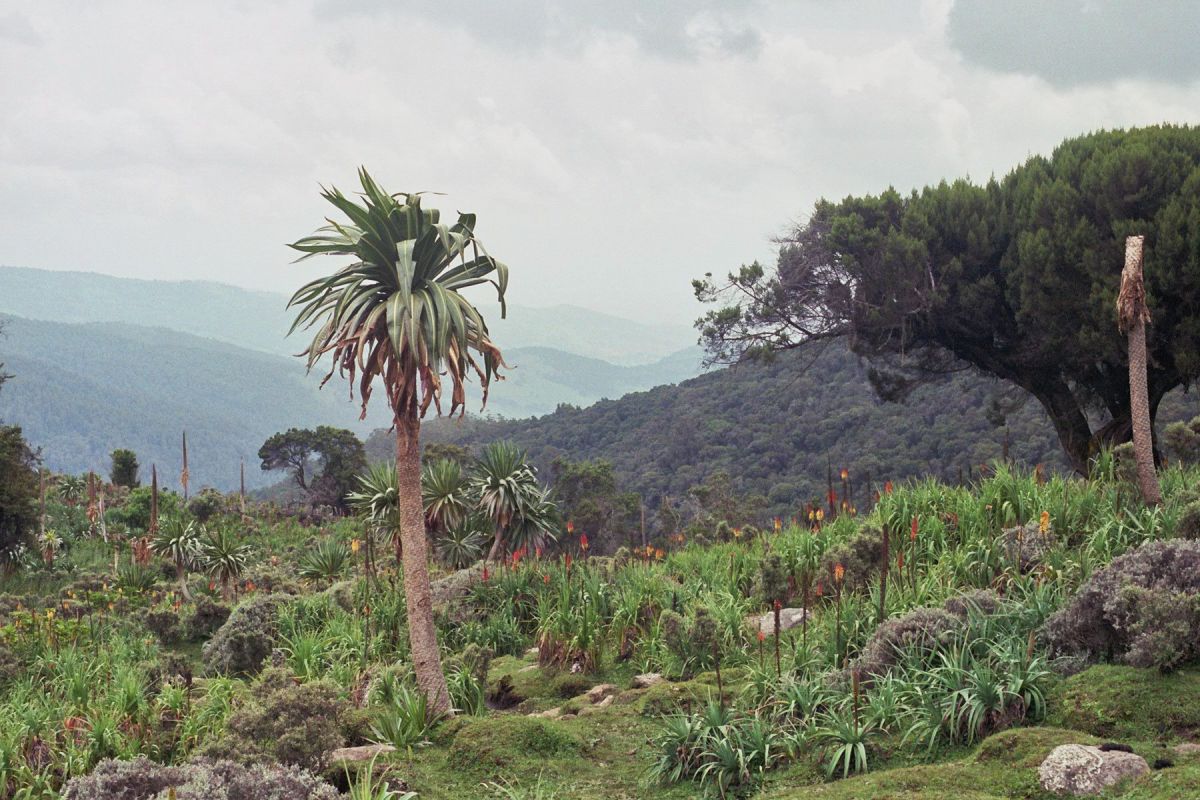
Starting in March, the first signs of the rainy season appear, though the heaviest downpours arrive later. By April, rainfall increases sharply, peaking in July and August, when Гоба sees frequent showers. The landscape transforms during these months, turning lush and green, but travel may require extra preparation for wet conditions.
Temperature
Temperatures in Гобе vary little throughout the year, staying within a narrow range. Daytime highs typically reach +20 to +23 °C in the warmest months, such as February and March, while nights can drop to +7 to +10 °C, especially in November and December. The coolest period is October to January, when early mornings and evenings feel noticeably crisp.
Even during the rainy season, Гоба rarely gets uncomfortably hot or cold. The difference between the warmest and coolest months is only a few degrees, making the climate stable. However, the combination of rain and cooler temperatures in July and August can make it feel chillier than the thermometer suggests.
| Month | Minimum | Maximum |
|---|---|---|
| January | 7.2 | 22.8 |
| February | 8.2 | 23.4 |
| March | 9.4 | 22.9 |
| April | 9.3 | 21.5 |
| May | 9.7 | 21.9 |
| June | 10 | 22.3 |
| July | 10.2 | 21.2 |
| August | 9.2 | 20.3 |
| September | 9 | 20 |
| October | 8.5 | 19.2 |
| November | 7.1 | 19.5 |
| December | 6.7 | 21.4 |
Precipitation
Rainfall in Гобе follows a clear seasonal pattern. The driest months are December and January, with barely any precipitation, while April, July, and August bring the most rain. During these wetter months, Гоба can receive over 100 mm of rain per month, often in the form of afternoon or evening showers.
The transition months, such as March, May, and November, see moderate rainfall, making them a middle ground between the dry and wet seasons. If you prefer to avoid rain, visiting Гобу between November and February is ideal, though the landscape may appear drier and less vibrant compared to the lush scenery of the rainy season.
| Month | Precipitation |
|---|---|
| January | 8.3 |
| February | 12.6 |
| March | 53.7 |
| April | 151 |
| May | 80.2 |
| June | 40.1 |
| July | 152.3 |
| August | 127 |
| September | 133.4 |
| October | 108.6 |
| November | 50.6 |
| December | 5 |
What to pack
For a trip to Гобу during the dry season, pack layers to adapt to the temperature swings. Light jackets or sweaters are useful for cooler mornings and evenings, while lighter clothing works well during the day. Since rain is unlikely from November to February, waterproof gear isn’t necessary, but a compact umbrella can be handy for unexpected showers in March or April.
If visiting during the rainy season, waterproof footwear and a raincoat are essential, especially for outdoor activities. The rain in Гобе can be persistent in July and August, so quick-drying clothes and a waterproof bag for electronics will help keep you comfortable. Even in the wetter months, temperatures remain mild, so heavy winter clothing isn’t needed—just prepare for damp conditions.
| Month | Wind speed |
|---|---|
| January | 2.6 |
| February | 2.8 |
| March | 2.7 |
| April | 2.3 |
| May | 2.8 |
| June | 2.9 |
| July | 2.4 |
| August | 2.4 |
| September | 2.1 |
| October | 2.3 |
| November | 2.3 |
| December | 2.2 |
