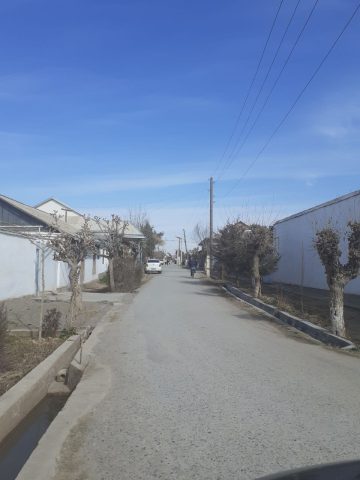
Foča
Bosnia and Herzegovina · 5 places
Photo: Julian Nyča, CC BY-SA 3.0
Foča is a town that feels suspended in time, nestled in the embrace of eastern Bosnia’s green mountains. There are no crowded promenades, no neon signs, no tourist traps—just quiet cobblestone streets, tiled roofs that have stood since the Austro-Hungarian era, and the Drina River flowing lazily past the edges of town. Life here moves at its own unhurried pace, as if the place was designed for those who’ve grown tired of the relentless rhythm of big cities and are searching for somewhere to simply pause, breathe, and listen to the silence.
Perched at the crossroads of routes leading to Montenegro and Serbia, Foča has always been shaped by its geography. In the Middle Ages, it thrived as a trading hub, where caravans laden with salt, wool, and metals passed through. Later, under Ottoman rule, mosques with slender minarets rose alongside madrasas and caravanserais, while the old bridge over the Drina became a symbol of the connection between East and West. The war of the 1990s left deep scars—the town was nearly destroyed—but today, it’s slowly rebuilding. A few Ottoman-era buildings still stand in the center, while on the outskirts, half-ruined houses serve as quiet reminders of the past.
What truly sets Foča apart is the landscape that surrounds it. Dense forests and rugged mountains begin just beyond the town limits, offering endless trails for hiking, cycling, or simply escaping into nature. The Drina is especially striking here, its banks narrowing into dramatic gorges before widening into still, mirror-like pools. In summer, locals and the occasional traveler come to swim in the cool water or picnic along the shore. When winter arrives, the nearby Bjelašnica ski resort—just an hour away—draws visitors looking for fresh powder and mountain air.
For all its modesty, Foča holds a few surprises. The Žitomislići Monastery, a short drive from town, is one of Bosnia’s oldest Orthodox monasteries, founded in the 16th century. Its walls are adorned with traditional Balkan frescoes and icons, and the quiet courtyard invites reflection. The local ethnographic museum offers another glimpse into the past, with exhibits ranging from antique looms to weapons from World War II. Small festivals celebrating folk music and crafts also take place here, drawing artisans from across the region.
This isn’t a place for those seeking luxury hotels or bustling nightlife. There are no tourist crowds, no trendy bars, no grand attractions—just the chance to experience Bosnia as it truly is: unpolished, unhurried, and deeply authentic. Foča feels like an invitation to slow down, to wander its streets without a map, to sip strong coffee in a tiny café or try a slice of homemade pie. It’s a place where you can watch the river drift by, smoke curl from chimneys, and mountains fade into evening mist. Maybe that’s why those who visit once often find themselves returning—to remind themselves that the world can still be quiet, simple, and alive.
Stay
0 placesNothing in this category yet — the catalogue is still growing.
All placesPlaces on the map
Marker colour follows the categoryClimate and weather
Detailed weather: Foča- Average temperature
- 11 °C
- Precipitation per year
- 836 mm
- Sunshine hours per day
- 5.3 h
Average air temperature
°C
-1
3
5
9
15
19
21
21
16
12
6
3
Jan
Feb
Mar
Apr
May
Jun
Jul
Aug
Sep
Oct
Nov
Dec